Science and Research in Lower Austria

Research and universities

Over the past few decades, Lower Austria has developed into a vibrant and internationally recognised location for science. This has been made possible by a clear vision and targeted investment in science, research and education. Since 2011, the Department of Science and Research of the Province of Lower Austria has been committed to creating the ideal conditions for creative thinking, discoveries and new ideas. In this way, Lower Austria is becoming a place where knowledge flourishes and the future takes shape.

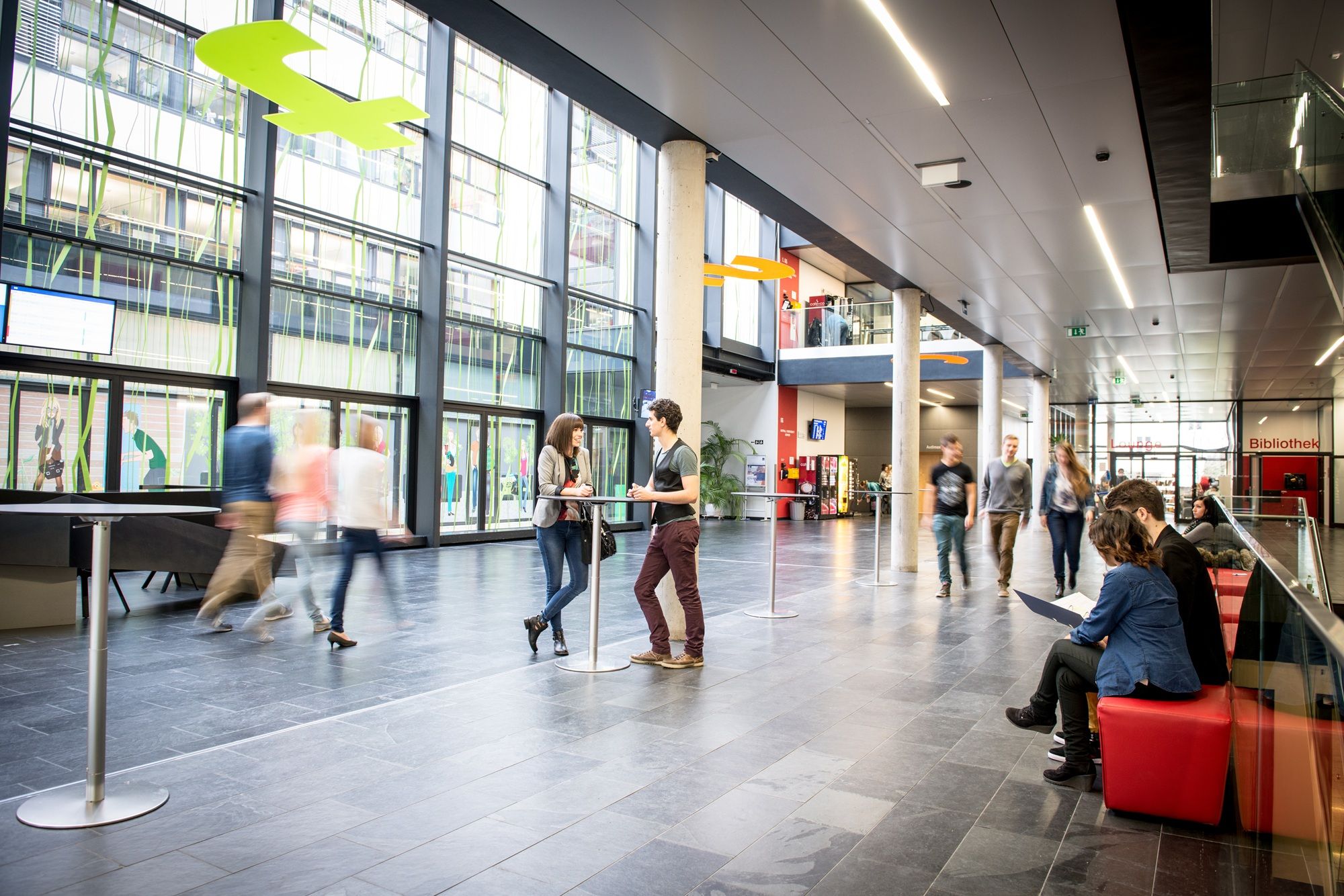
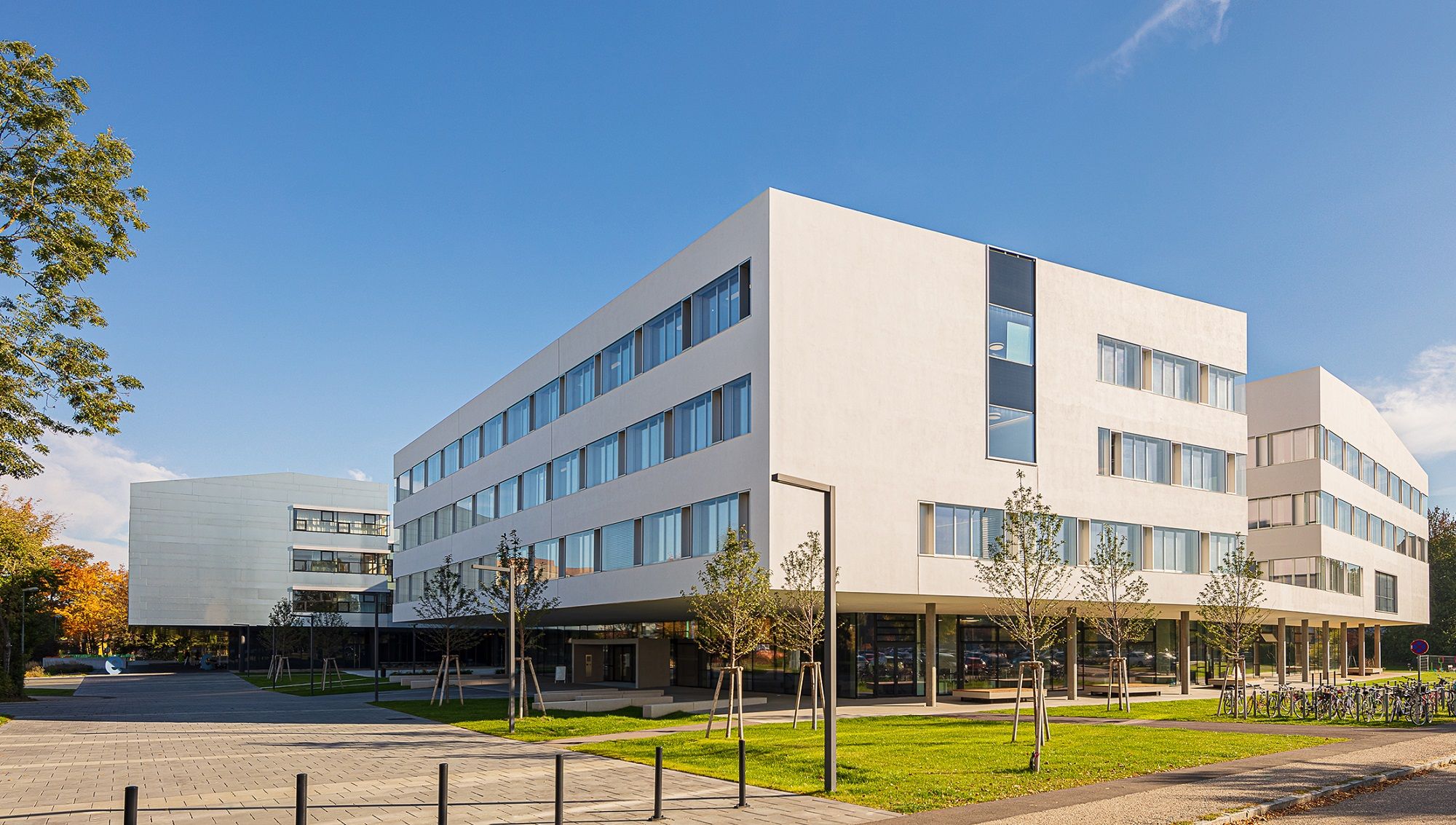
Modern Lobby of the University Building in St. Pölten
©Martin Lifka

Facts & Figures

  • 0
    Universities in Lower Austria
  • 0
    Students
  • 0
    Millions of Euros for Science & Research
  • 0
    People in Science & Research

Enabling Science

Lower Austria provides an excellent environment for research and innovation. For example, Lower Austria is investing in the construction and expansion of the Institute of Science and Technology Austria (ISTA) in Klosterneuburg, which has become a major magnet for international research talent.

With the expansion of the Campus Krems, Lower Austria is investing in a major centre for medicine, medical biotechnologyand interdisciplinary research. Educational and research institutions such as the University of Continuing Education Krems (UWK), the IMC Krems, the Karl Landsteiner Private University for Health Sciences and the Danube Private University (DPU) offer first-class facilities for students and researchers.

Since 2022, the MedAustron Cancer Research and Treatment Centre in Wiener Neustadt has been fully operational – one of only six comparable centres worldwide. Over 3,000 patients have been treated to date. In addition, a dynamic innovation network in the field of space travel has been established in Wiener Neustadt – ranging from innovative research companies such as FOTEC and the Wiener Neustadt University of Applied Sciences, to the ESA Phi-Lab Austria at Schwechat Airport.

In the field of biotechnology, the Tulln research hub – comprising the Biotech Campus Tulln, IFA-Tulln and the Tulln University and Research Centre (UFT) – forms an interface between education, industry and international research at the highest level.

The creation of the Europacampus Hainburg is giving rise to an internationally and interdisciplinarily oriented education and research hub focusing on future-oriented topics such as green and human-centred technologies, sustainable innovations and applied science.


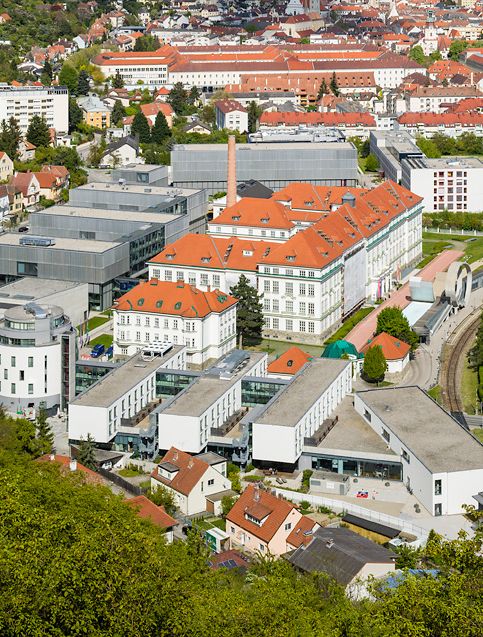
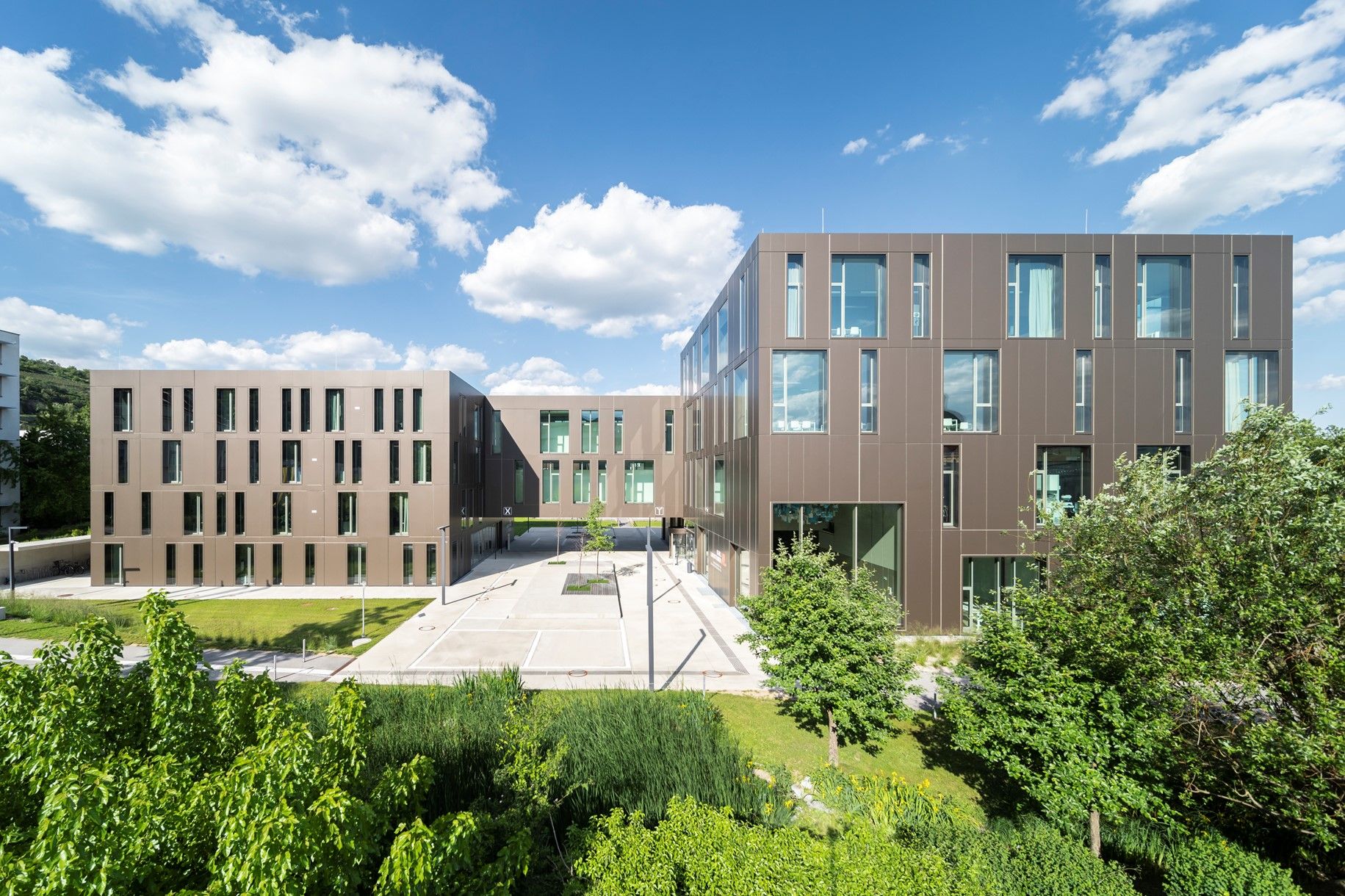
Overview of the buildings of the university campus in Krems in Lower Austria
©Michael Rzepa
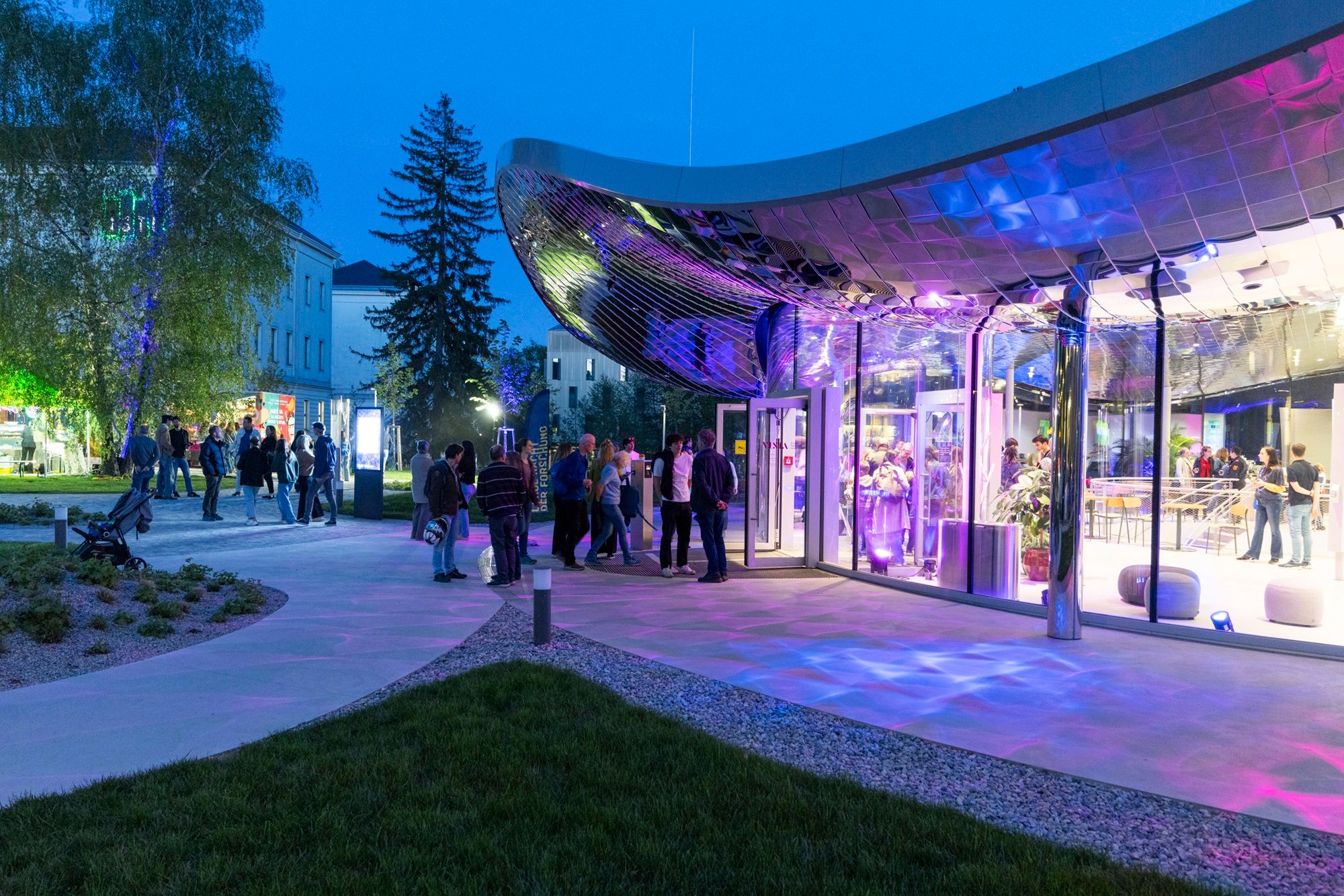
Entrance of the Institute of Science and Technology in Klosterneuburg by night
©Anna Stoecher, ISTA

Let Science flourish!

Three decades ago, it was hardly possible to study in Lower Austria. Today, there are already 15 higher education institutions with over 30,000 students. Towns such as Krems, St. Pölten and Wiener Neustadt have developed into thriving centres of higher education. In St. Pölten, the New Design University (NDU) and the University of Applied Sciences St. Pölten (USTP) are home to innovative minds in teaching and research. Lower Austria’s educational centres offer opportunities for international networking and for hosting conferences and specialist symposia.

Bringing Science to Life!

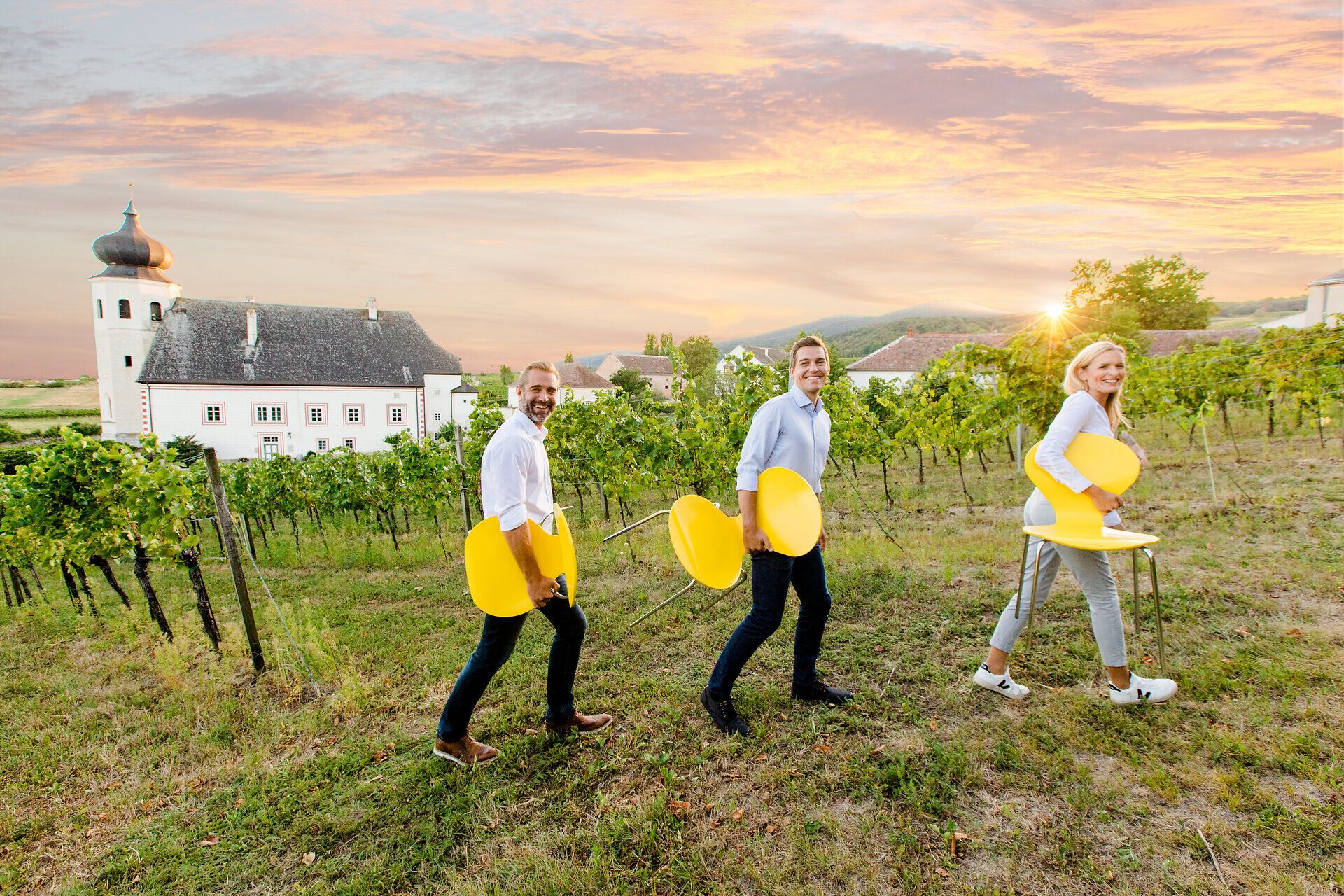
In Lower Austria, various initiatives are designed to bring science to life. The Science Centres of Lower Austria, located in the House of Digitization in Tulln and the Haus der Wildnis in Lunz, have been created to foster curiosity about science and research. Whether at the Lower Austria Research Festival at the Palais Niederösterreich, Heurika! – the science talk at the wine tavern – or during the Long Night of Research across Lower Austria: a diverse range of events invites you to discover science.

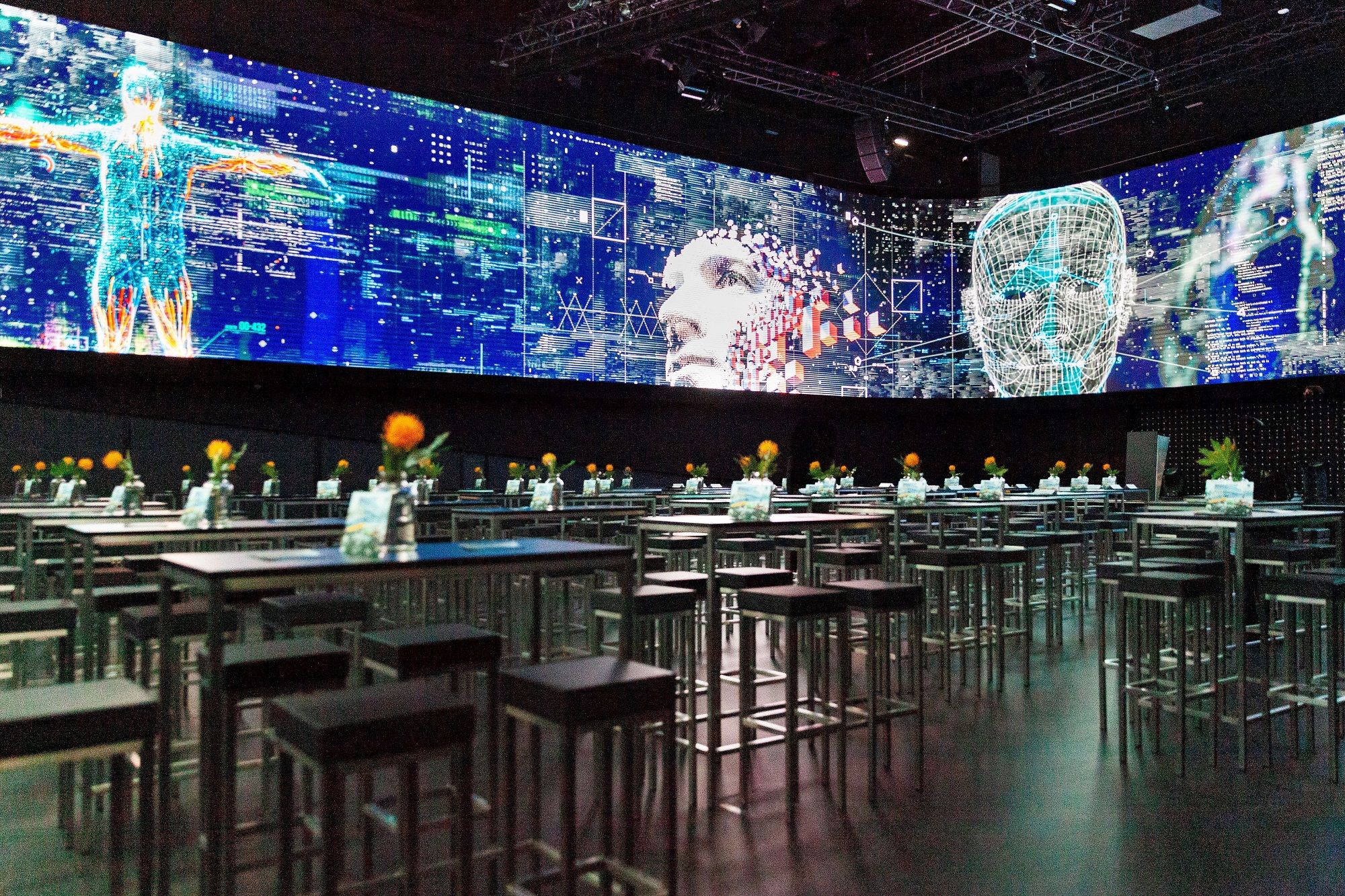
Academic Venues for your Event

You might also be interested in...