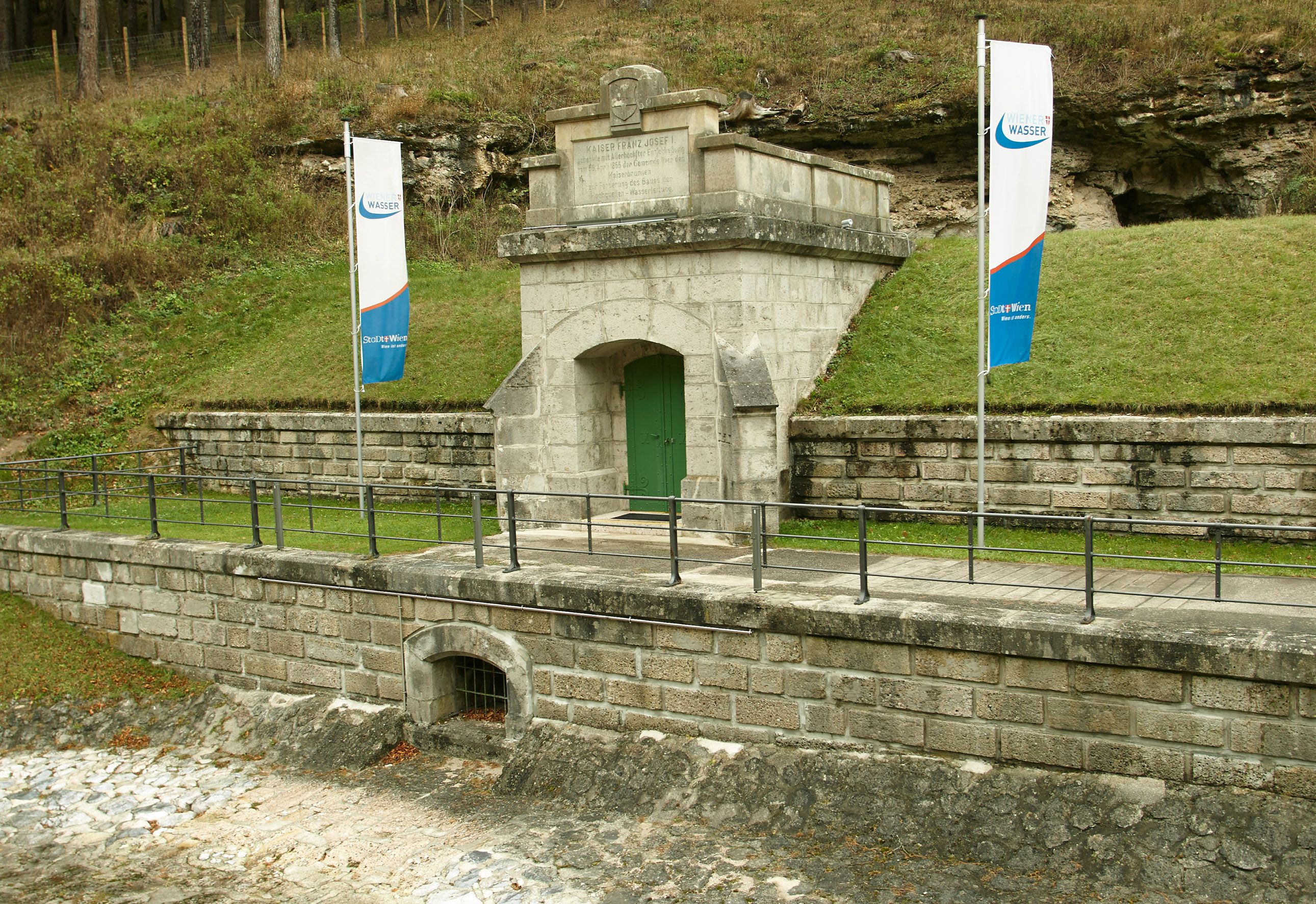
Large cities all over the world envy Vienna for its delicious spring water. The water pipe museum in Kaiserbrunn in the municipality of Reichenau an der Rax traces its path from the springs in the Rax and Schneeberg region to the tap.
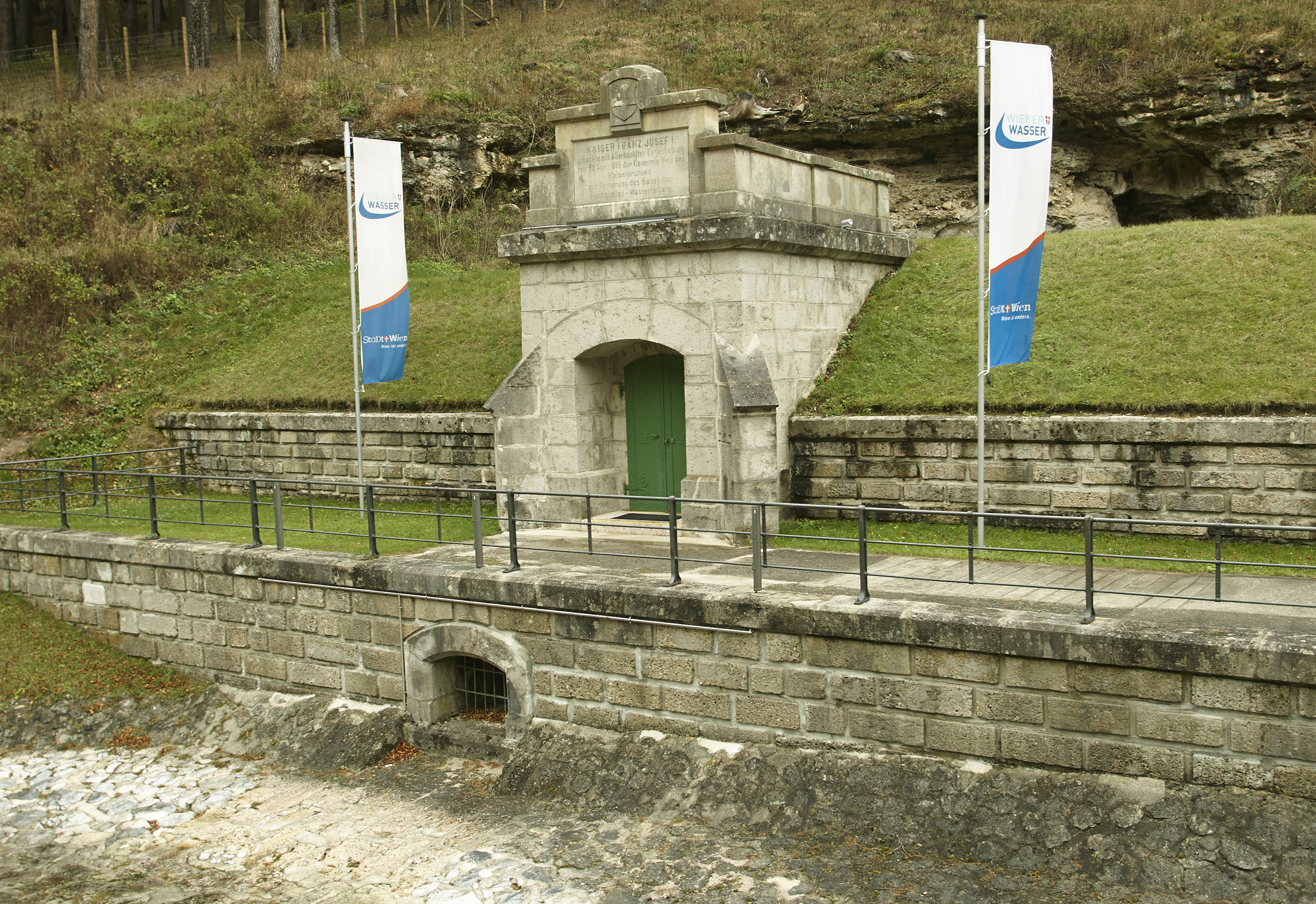
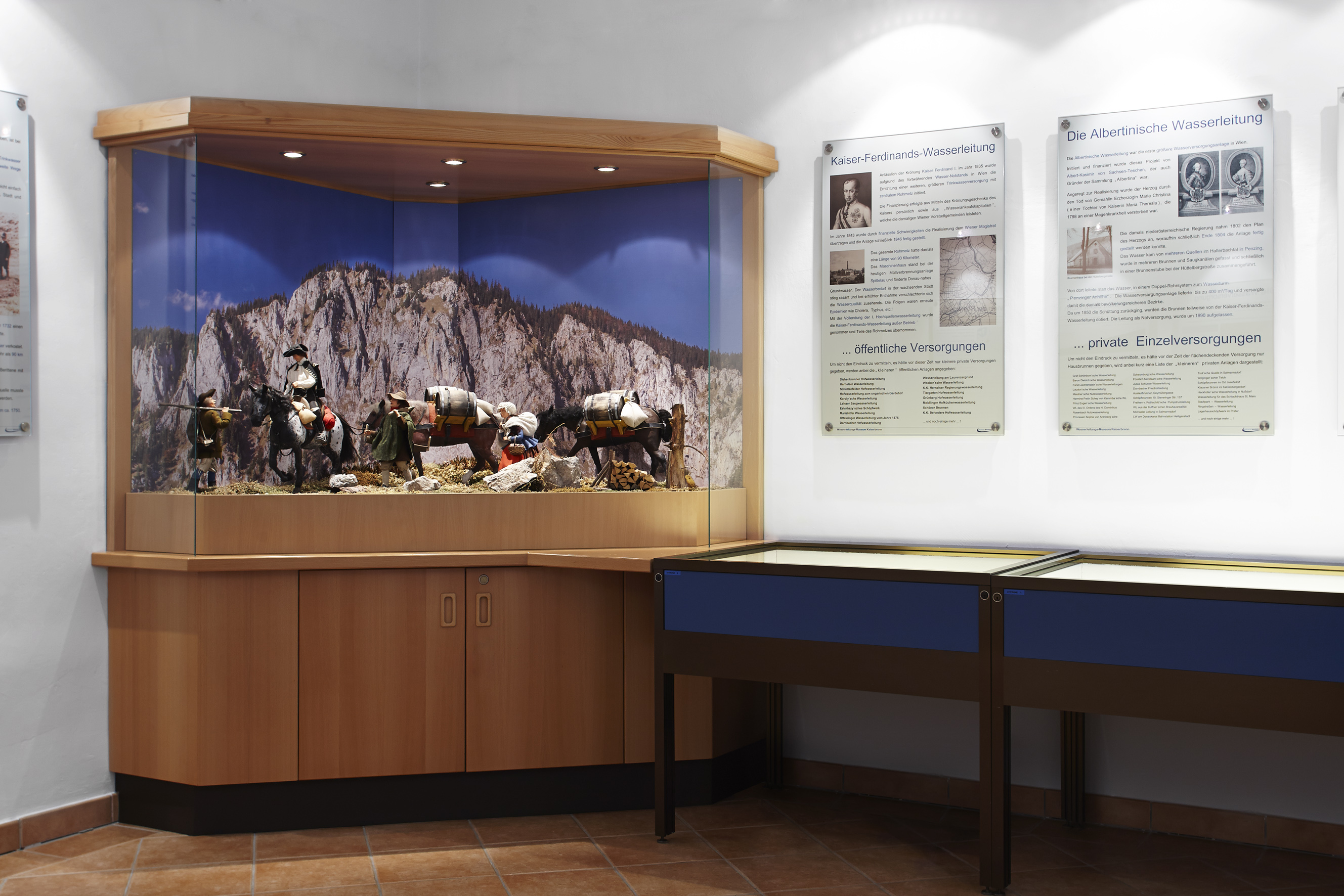
Charles VI discovered a spring at the foot of the Schneeberg during a hunt in the 17th century and then had barrels of the precious liquid regularly brought to Vienna for himself. Under Emperor Franz Joseph, the 1st Vienna High Spring Water Pipeline was finally built to supply Vienna, and the famous source was given the name "Kaiserbrunn".
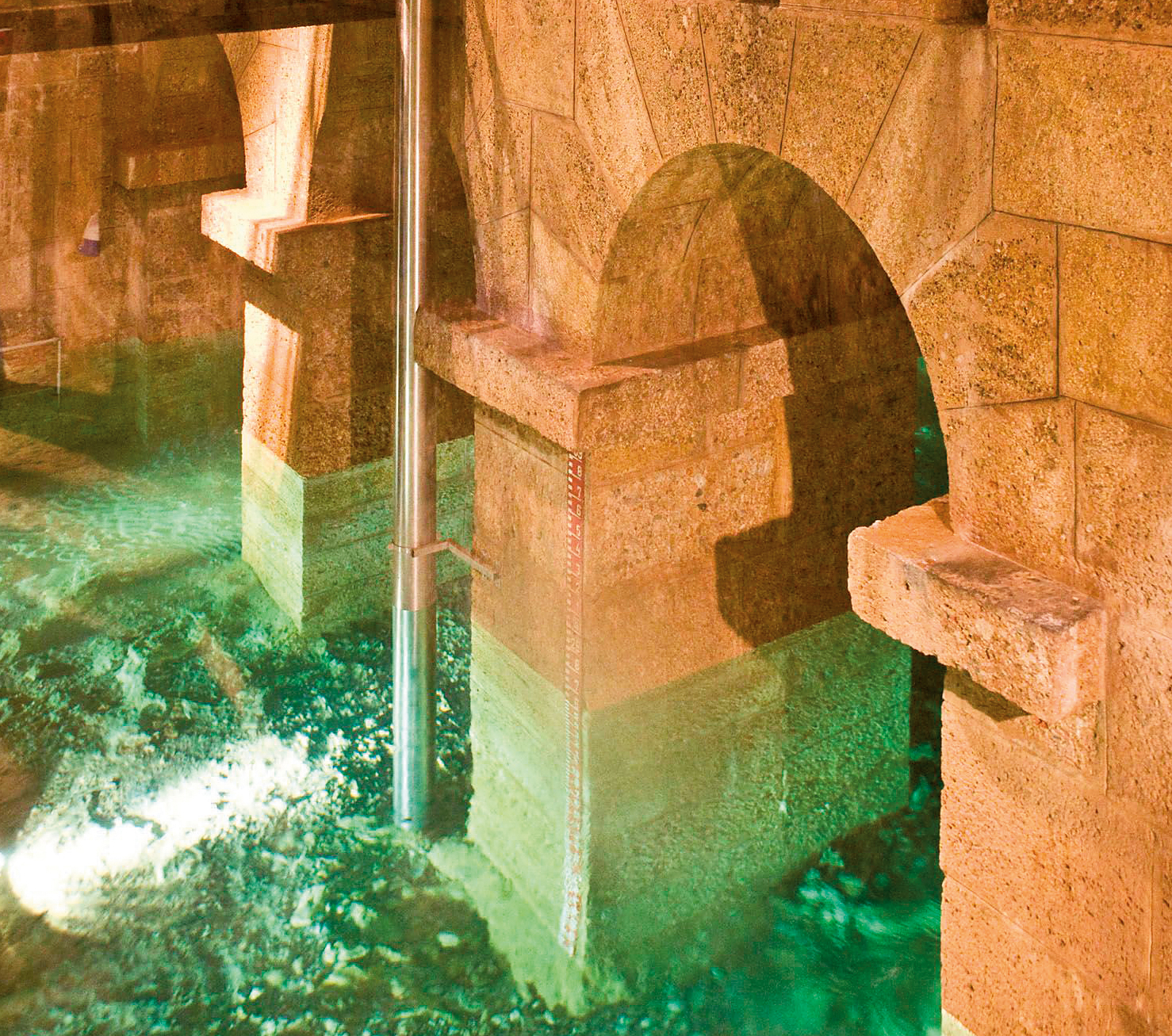
The construction of the 1st Vienna High Spring Water Pipeline took four years. To date, the 112-kilometre-long pipeline transports around 62 million cubic meters per year, or half of Vienna's drinking water, to the federal capital. Part of the route can be explored on the Water Pipeline Trail.
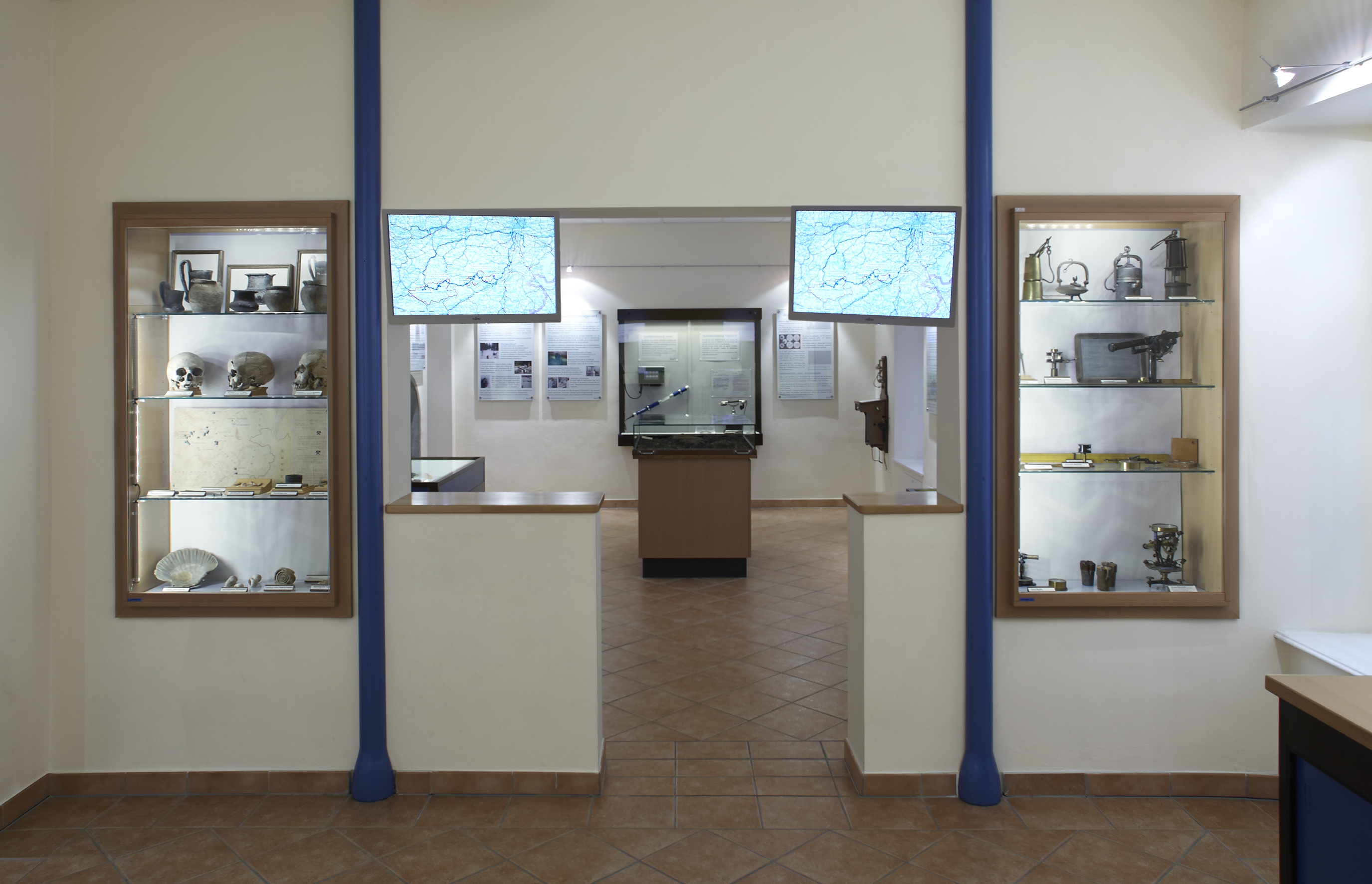
The Water Pipeline Museum consists of two buildings with seven rooms and an outdoor area. The main building used to be a water inspector's house and is now a listed building. Hundreds of objects as well as display boards and video presentations inform visitors free of charge about the history and construction of the first Vienna High Spring Water Pipeline.
On the first few of the 90 kilometers between the source and the consumer, the water pipeline hiking trail accompanies the water for Vienna: it runs from Kaiserbrunn through the wild and romantic Höllental valley, which is partly surrounded by rugged rock faces. The shady path leads along the clear waters of the Schwarza to Hirschwang.