
• ©© Niederösterreich Werbung/Ian Ehm

UNESCO World Heritage Sites in Lower Austria

World-class cultural heritage

Five UNESCO World Heritage Sites in Lower Austria reveal the diversity of human history: from the fascinating Wachau region, which captivated the Celts and Romans with its beauty, to the revolutionary Semmering Railway, which paved the way across the Alps. The historic spa town of Baden and the legendary Danube Limes lead along the Danube to hidden treasures. The Dürrenstein-Lassingtal wilderness area invites you to feel the ancient power of nature. These places tell stories that still move and connect us today.

Dürrenstein-Lassingtal wilderness area

Ancient giant trees, untouched nature: this UNESCO World Heritage Site is one of the last primeval forests in Central Europe – a refuge for rare species and true tranquillity.

What is there to discover in the wilderness area?

The Dürrenstein-Lassingtal wilderness area, with its Rothwald primeval forest, preserves the largest remaining primeval forest in the Alpine arc and has been part of the UNESCO World Natural Heritage Site "Ancient Beech Forests and Primeval Beech Forests of Europe" since 2017. Centuries-old fir, spruce and beech trees grow here, providing a habitat for rare species of birds, insects and fungi. 

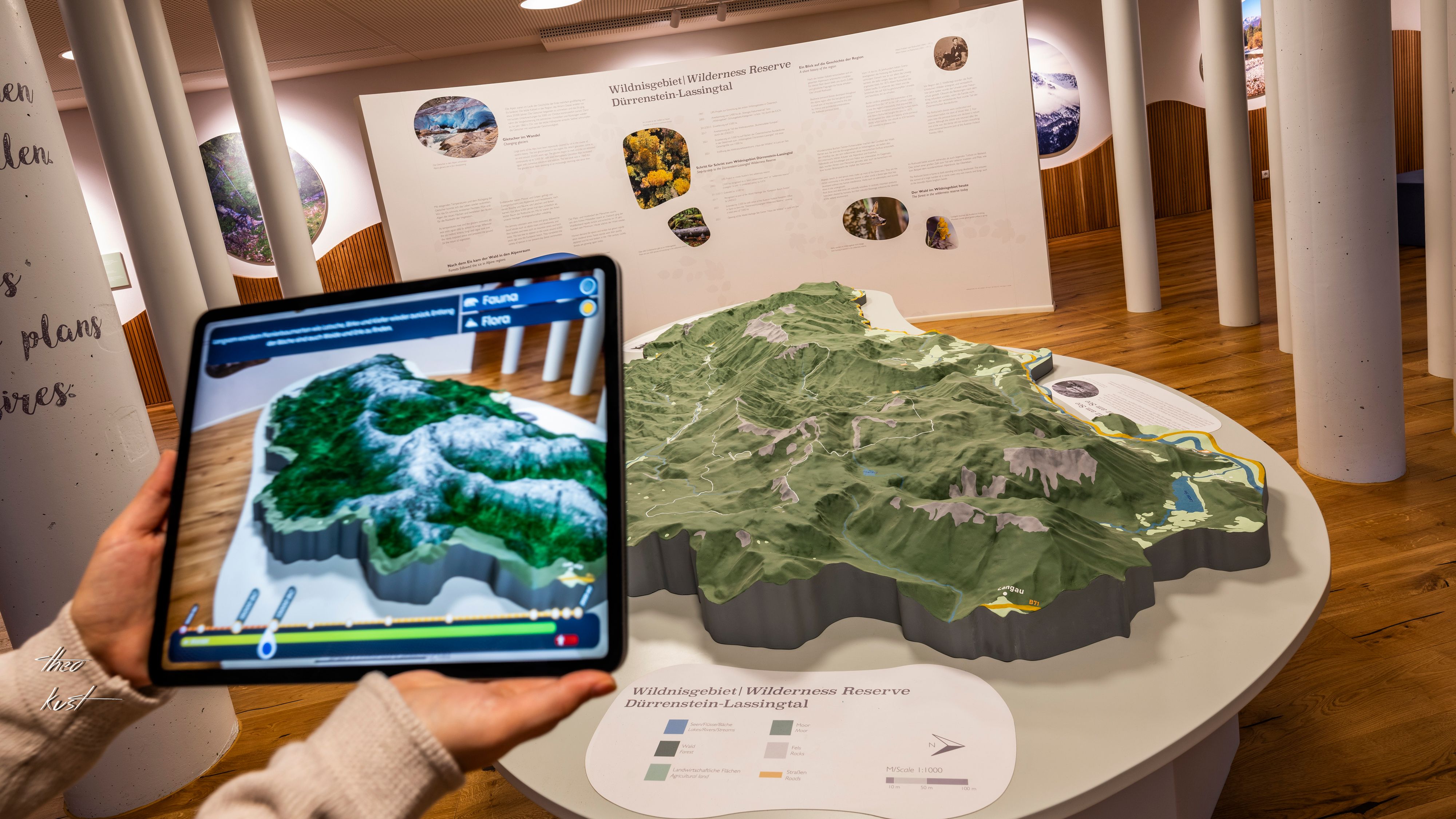
This natural gem can be experienced on a few marked trails – as well as at the house of the wilderness visitor centre in Lunz am See, which offers impressive insights into this last primeval landscape in Central Europe with interactive exhibitions.

  • ©© Theo Kust

    House of Wilderness

  • ©© Niederösterreich Werbung/Sabine Wieser

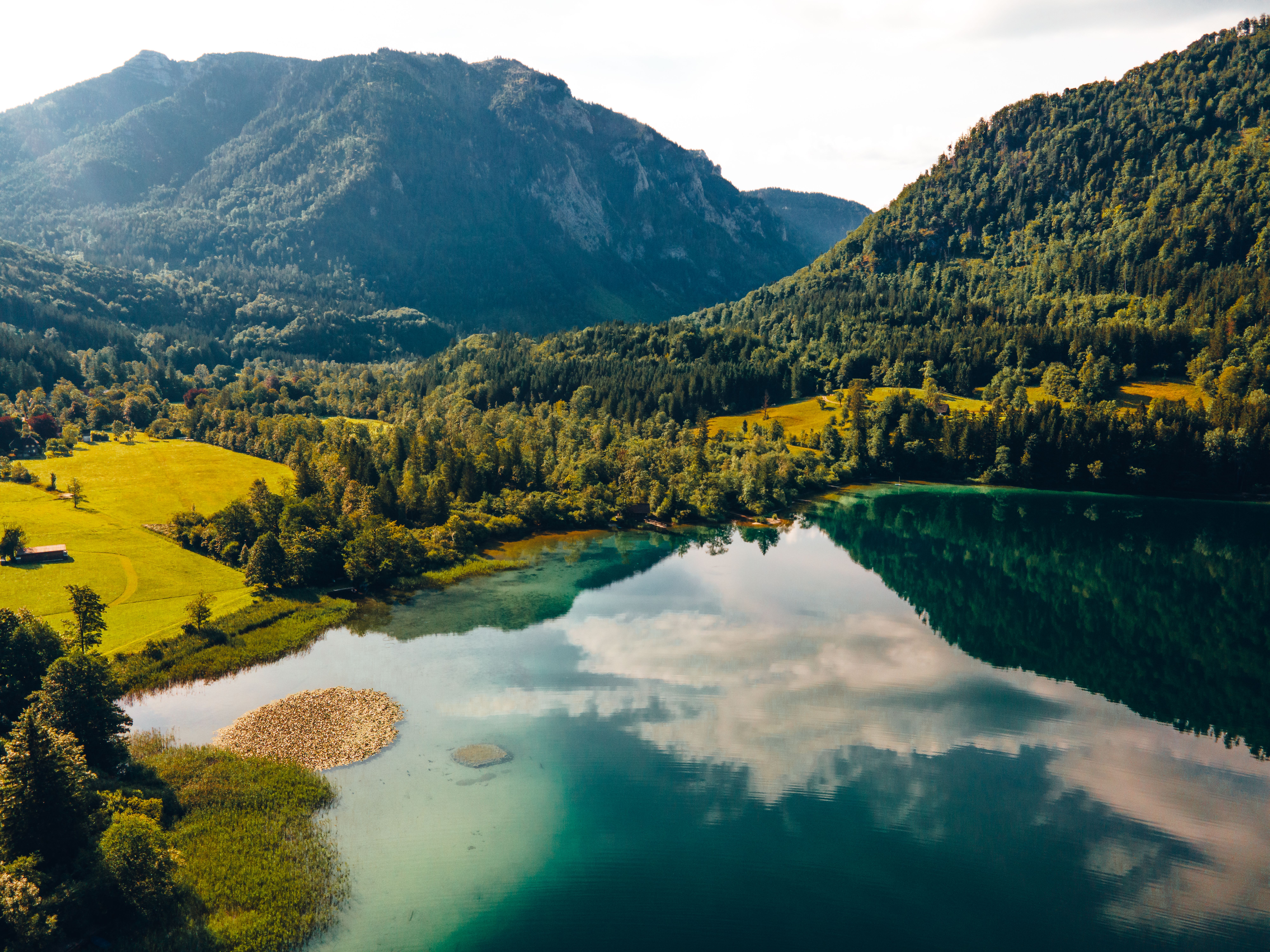
    Around the unique Lunzer See

  • ©© Niederösterreich Werbung/Sabine Wieser

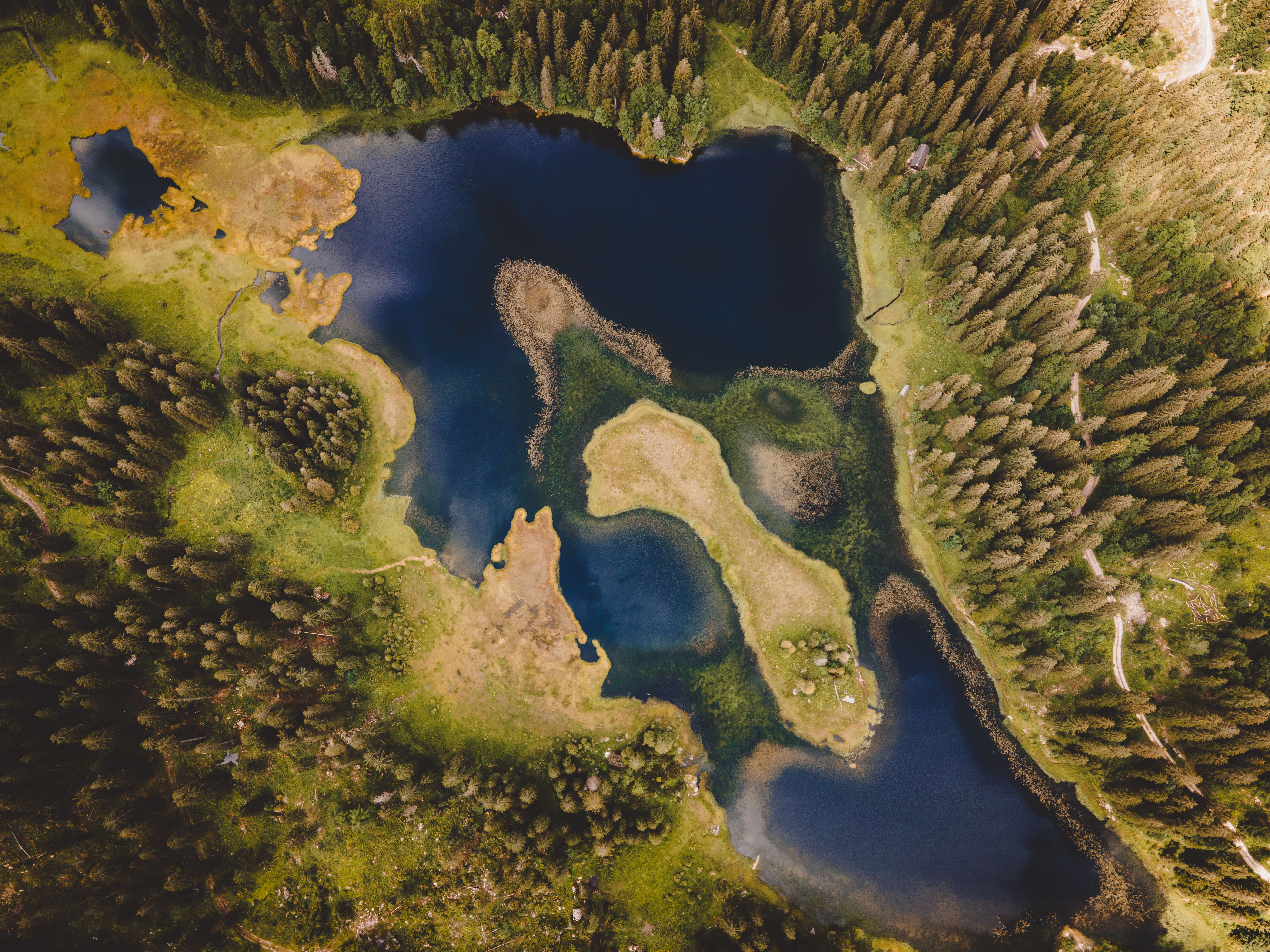
    Lunzer See - Obersee - Dürrenstein - Ybbstaler Hut

Wachau

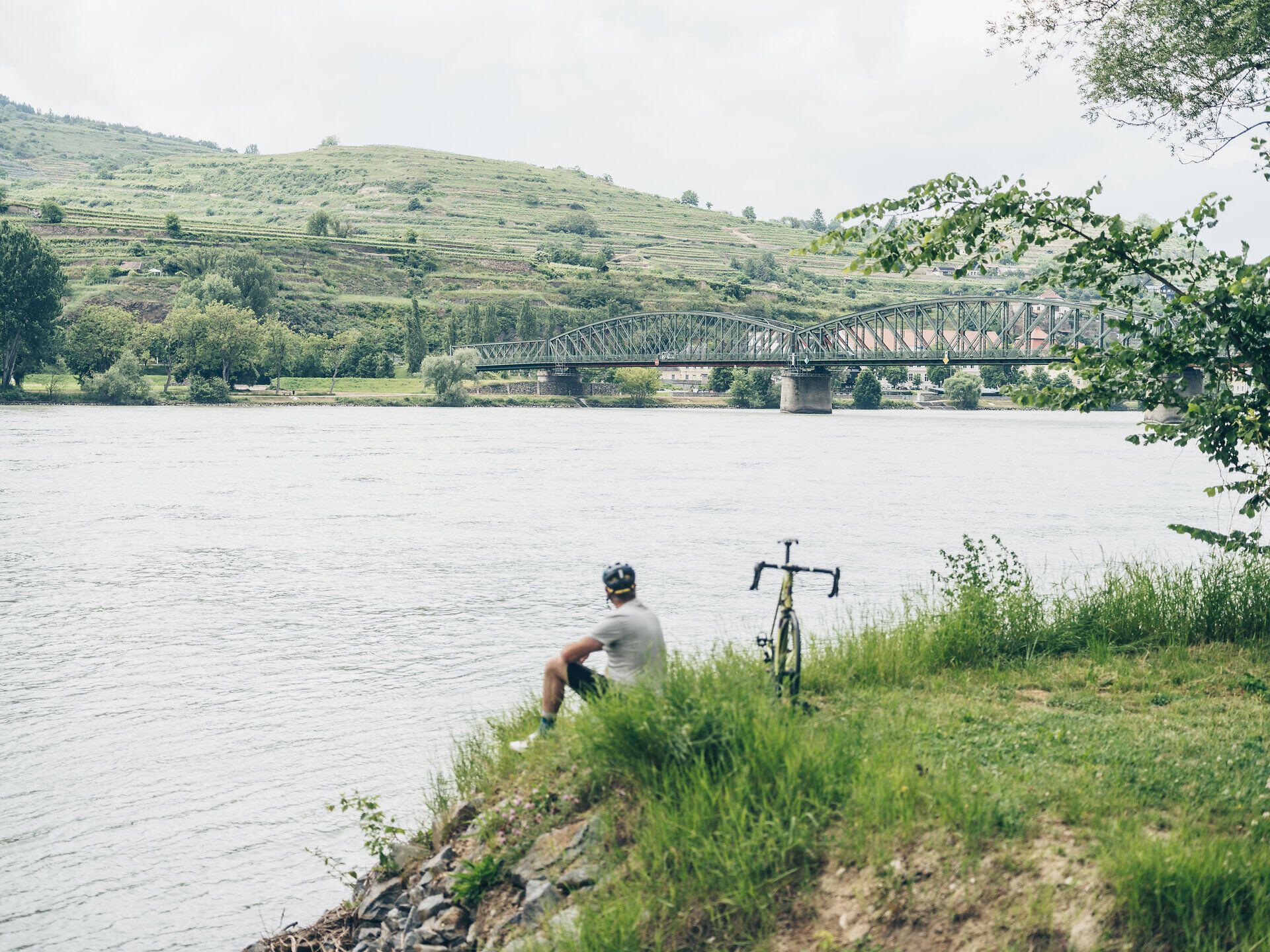
Terraced vineyards, monasteries and picturesque villages – the Wachau region is a total work of art combining nature and culture. A jewel on the banks of the Danube that enchants visitors in every season.

What is there to discover in the Wachau region?

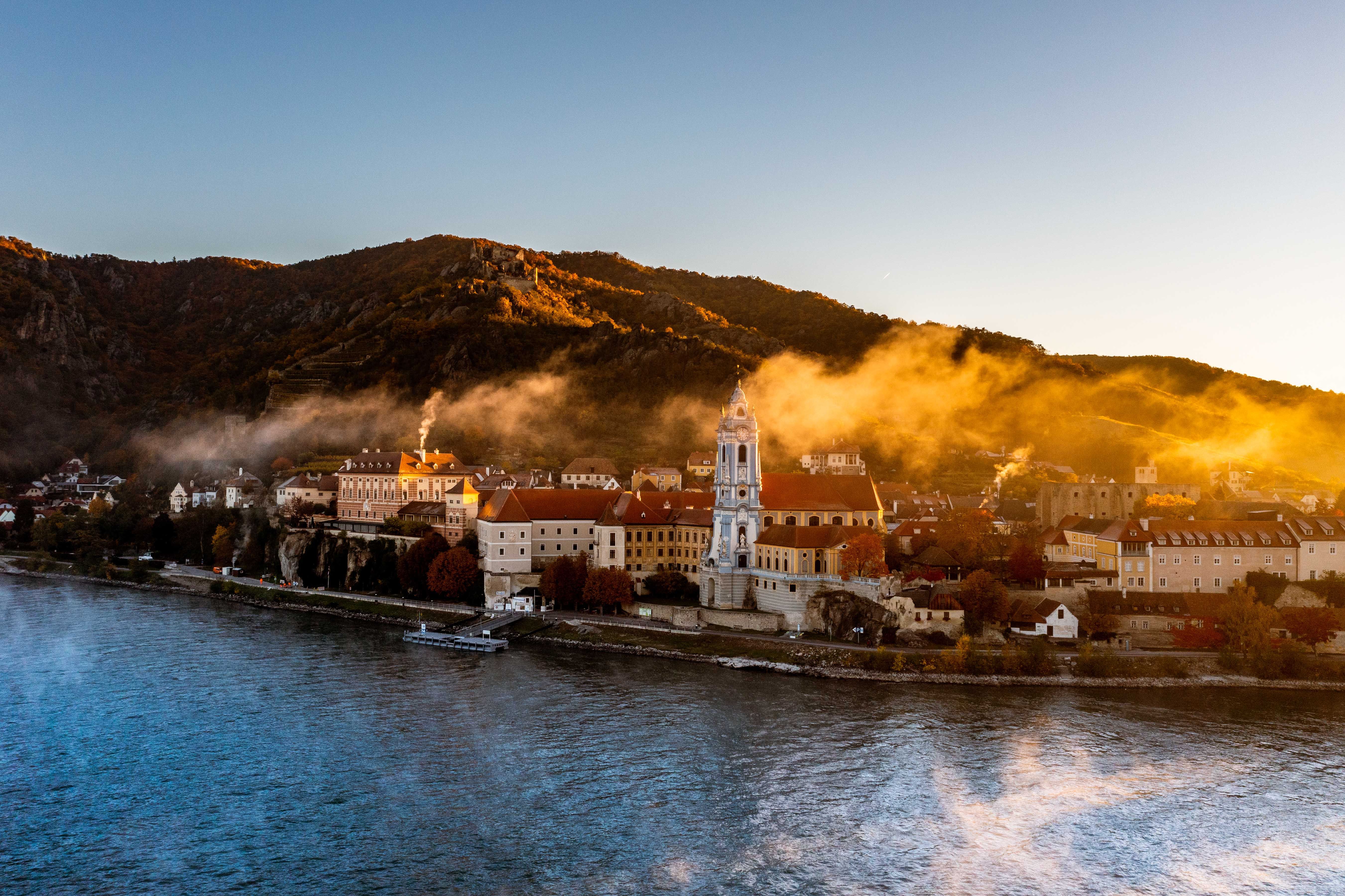
The Wachau is a UNESCO-designated cultural landscape on the Danube between Melk and Krems – characterised by terraced vineyards, historic monasteries, castles and idyllic villages

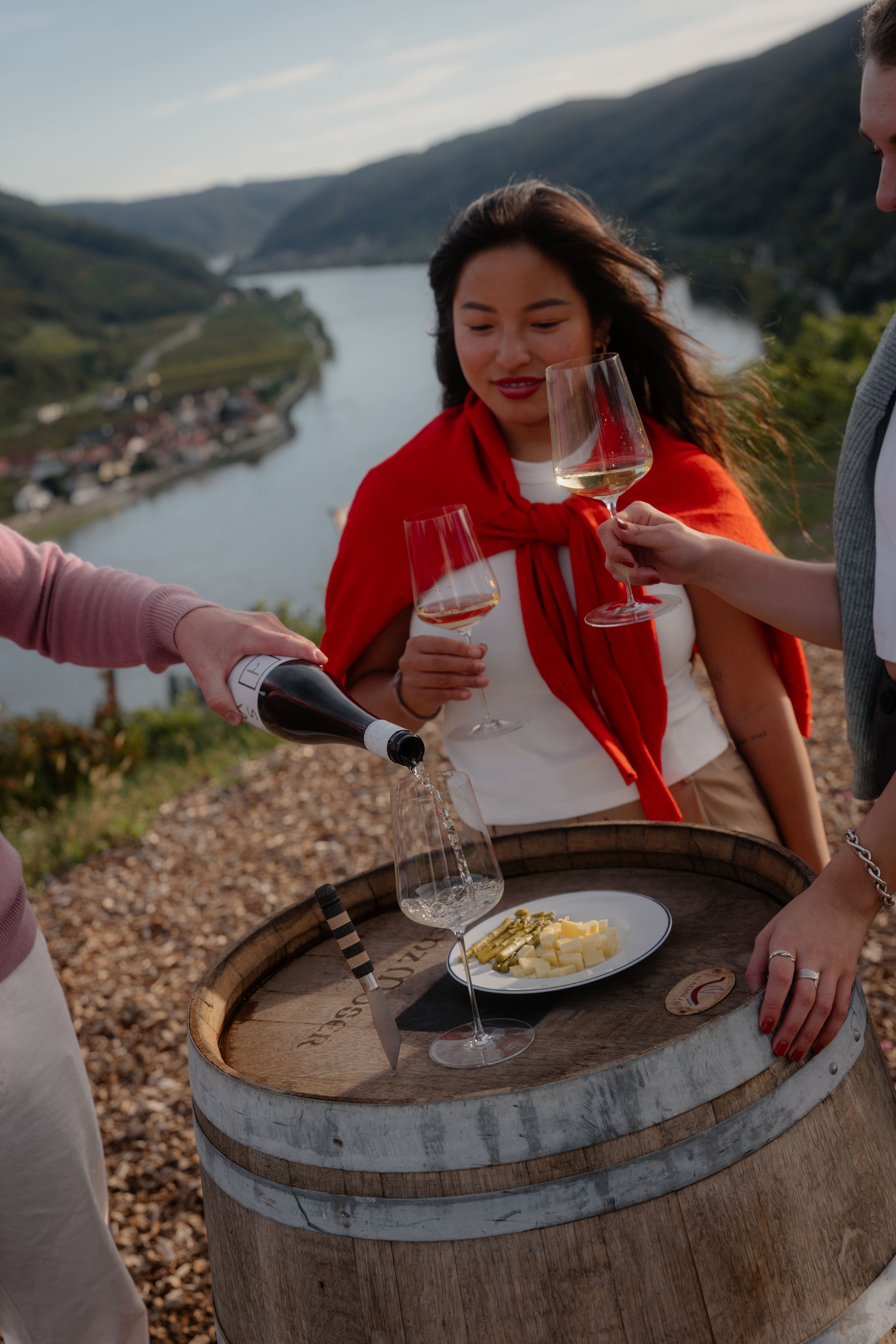
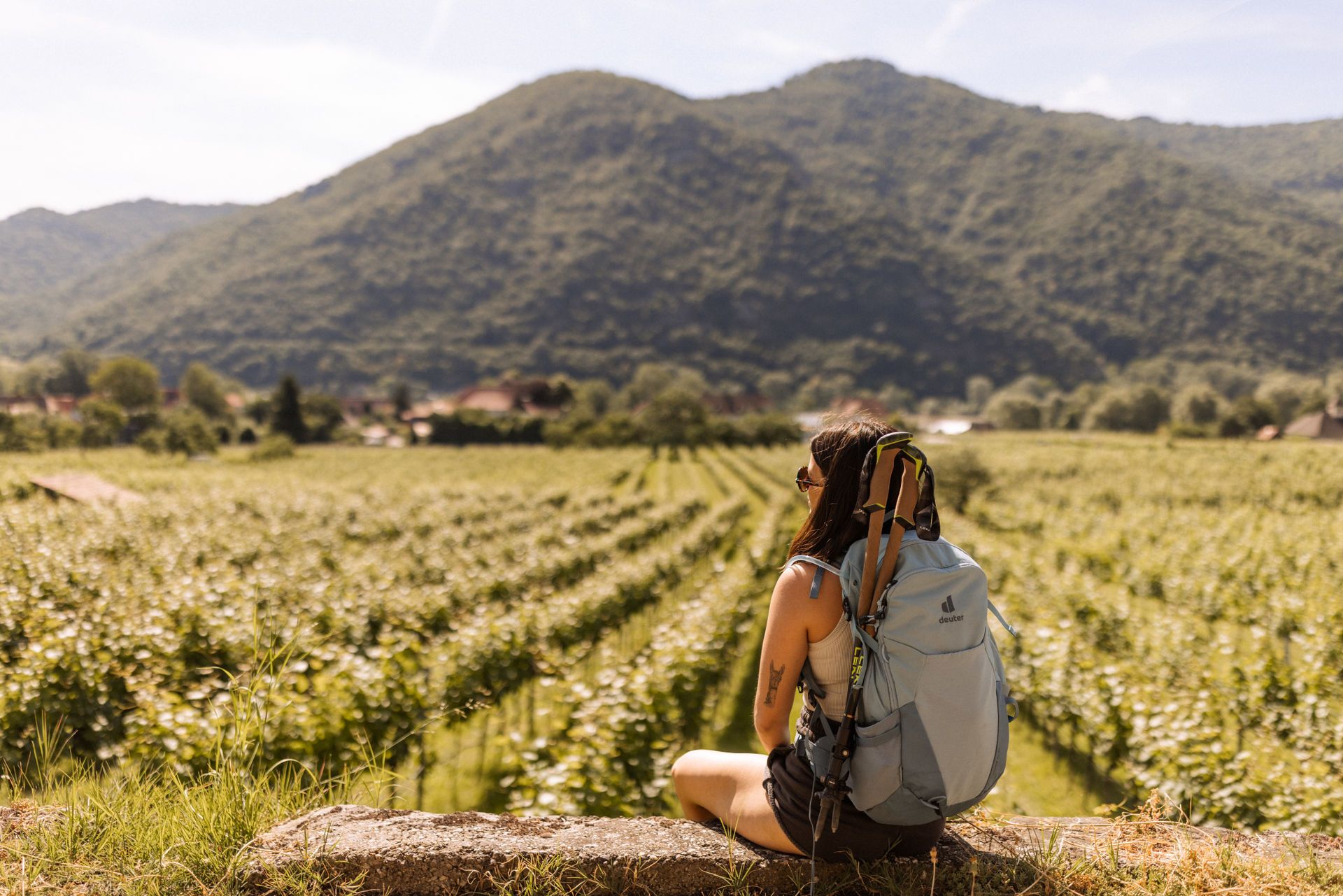
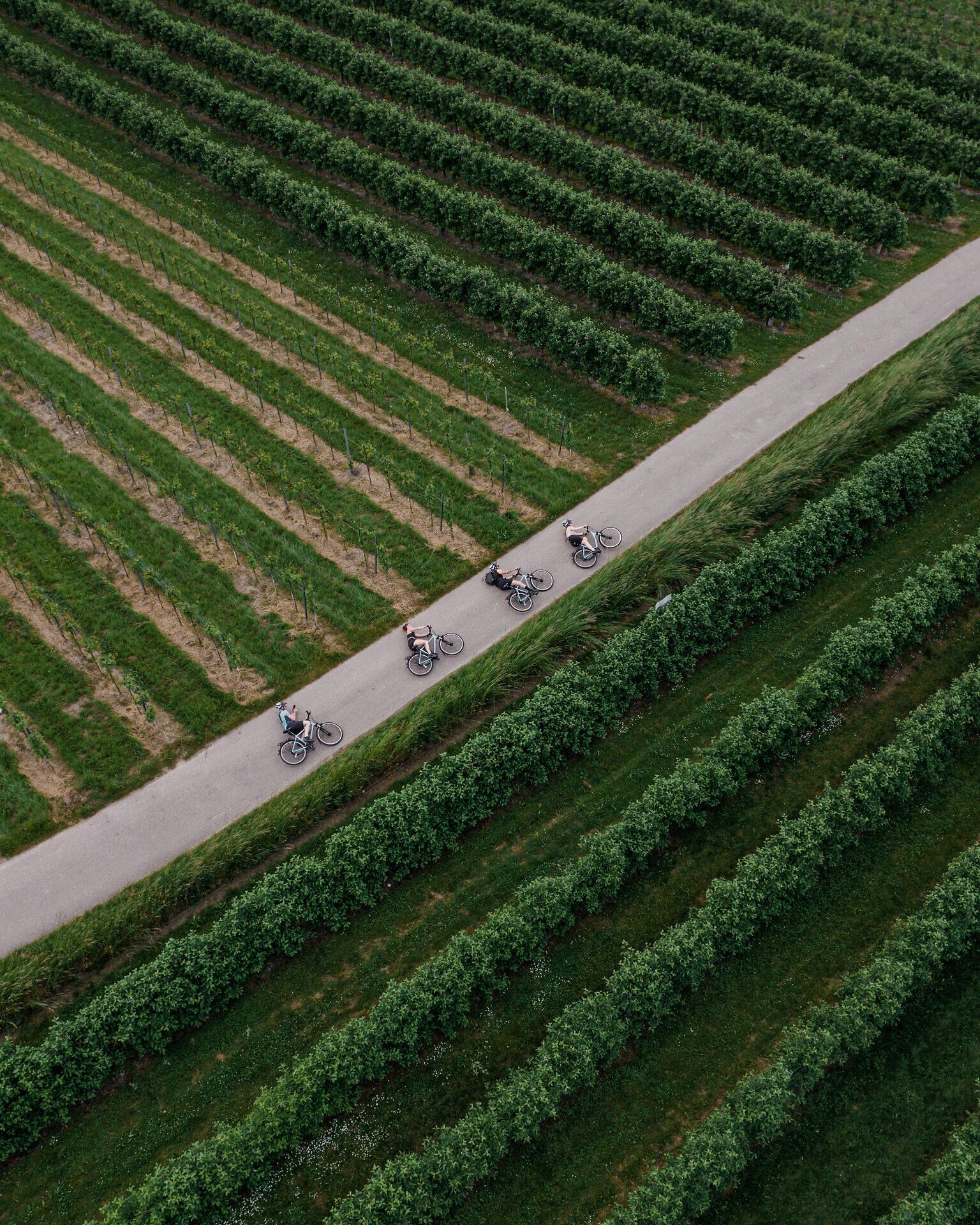
Here, world cultural heritage and holidays can be easily combined: while strolling through wine villages such as Dürnstein or Spitz, on the World Heritage Trail, the Danube cycle path, on boat trips with views of the famous stone terraces or during culinary wine and apricot experiences directly at the local businesses.

  • ©Donau NÖ Tourismus/Robert Herbst

    Wachau World Heritage Trail

  • ©© Niederösterreich Werbung/Eliska Hudcová

    Danube Cycle Path Stage 5 North Bank: Emmersdorf - Krems

  • ©Robert Herbst

    Abbey Church of Dürnstein

  • ©© Niederösterreich Werbung/Ian Ehm

    Danube Cycle Route Stage 5 South Bank: Melk - Mautern

  • ©NÖW Franziska Consolati

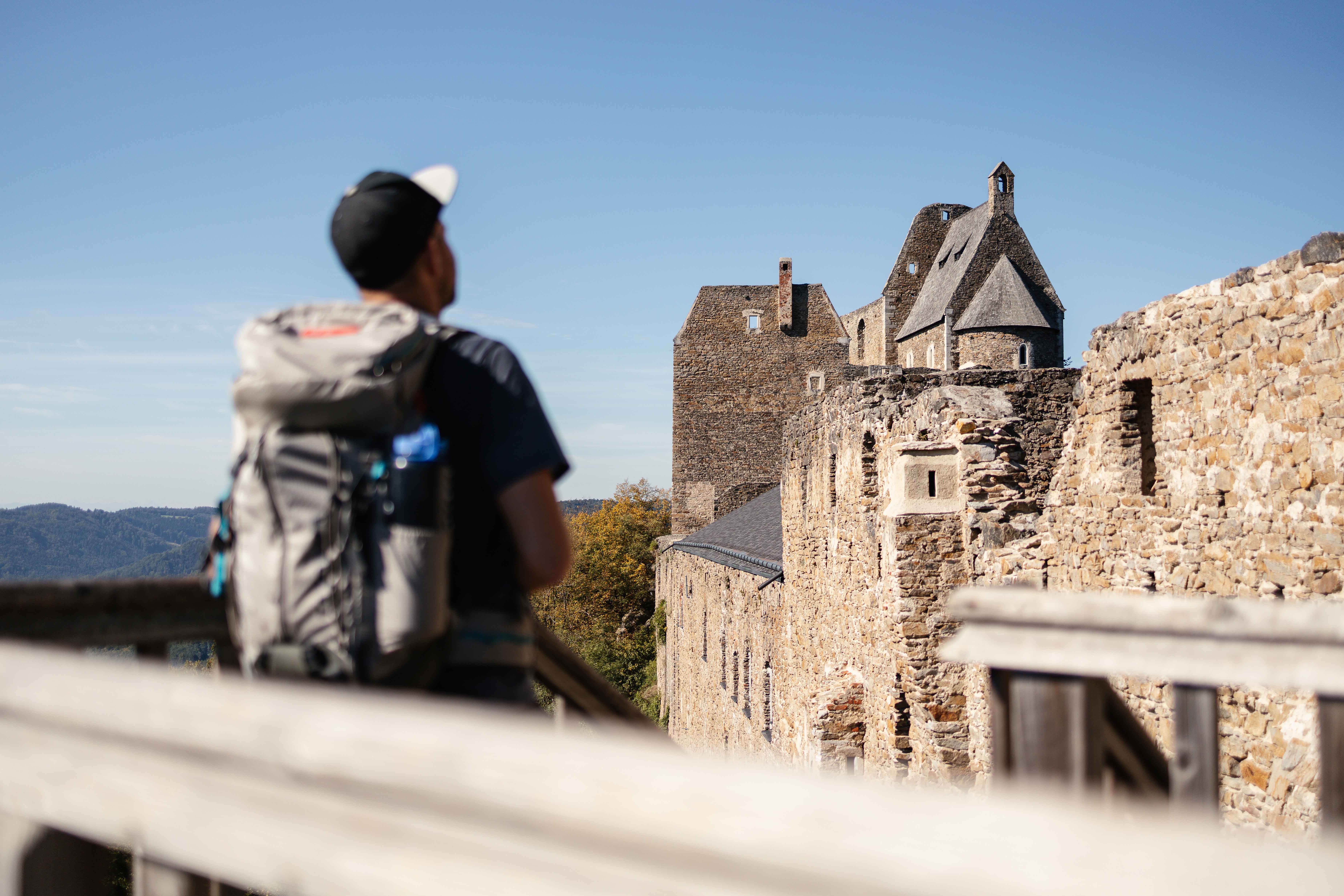
    Castle Aggstein

Semmering railway

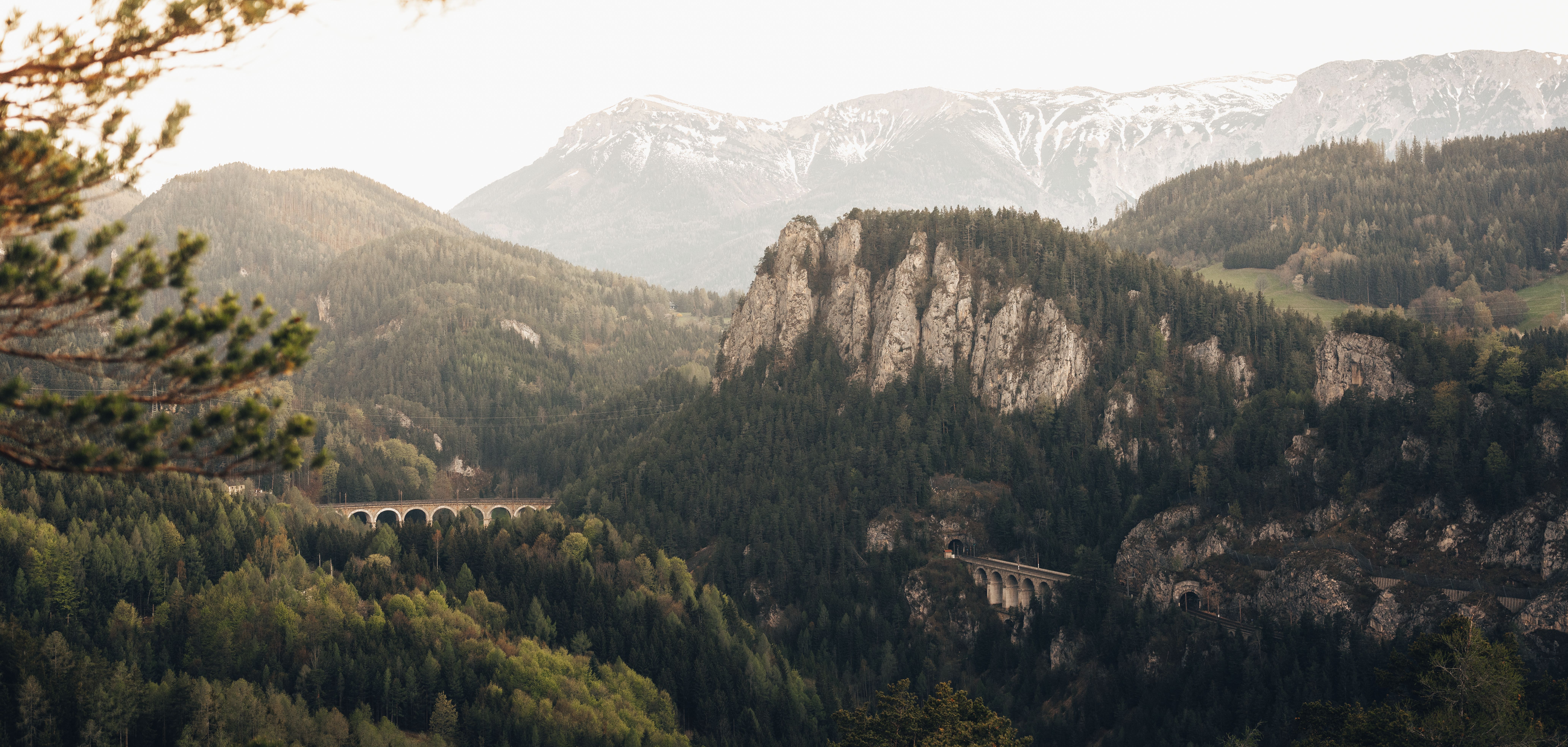
Europe's first mountain railway is a testament to pioneering spirit and engineering prowess. Viaducts, tunnels and panoramic views make this UNESCO railway line unforgettable to this day.

What is there to discover around the Semmering railway?


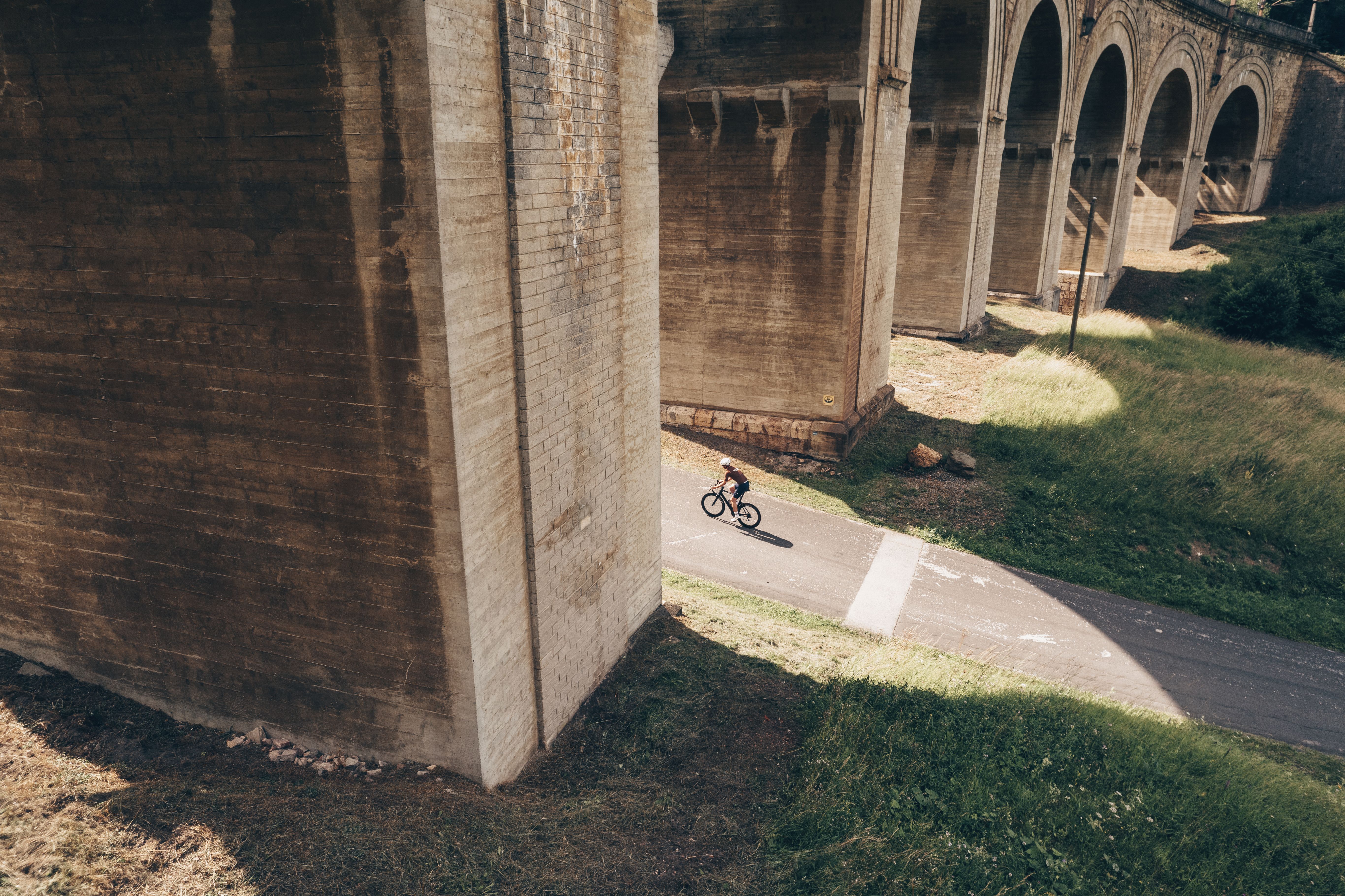
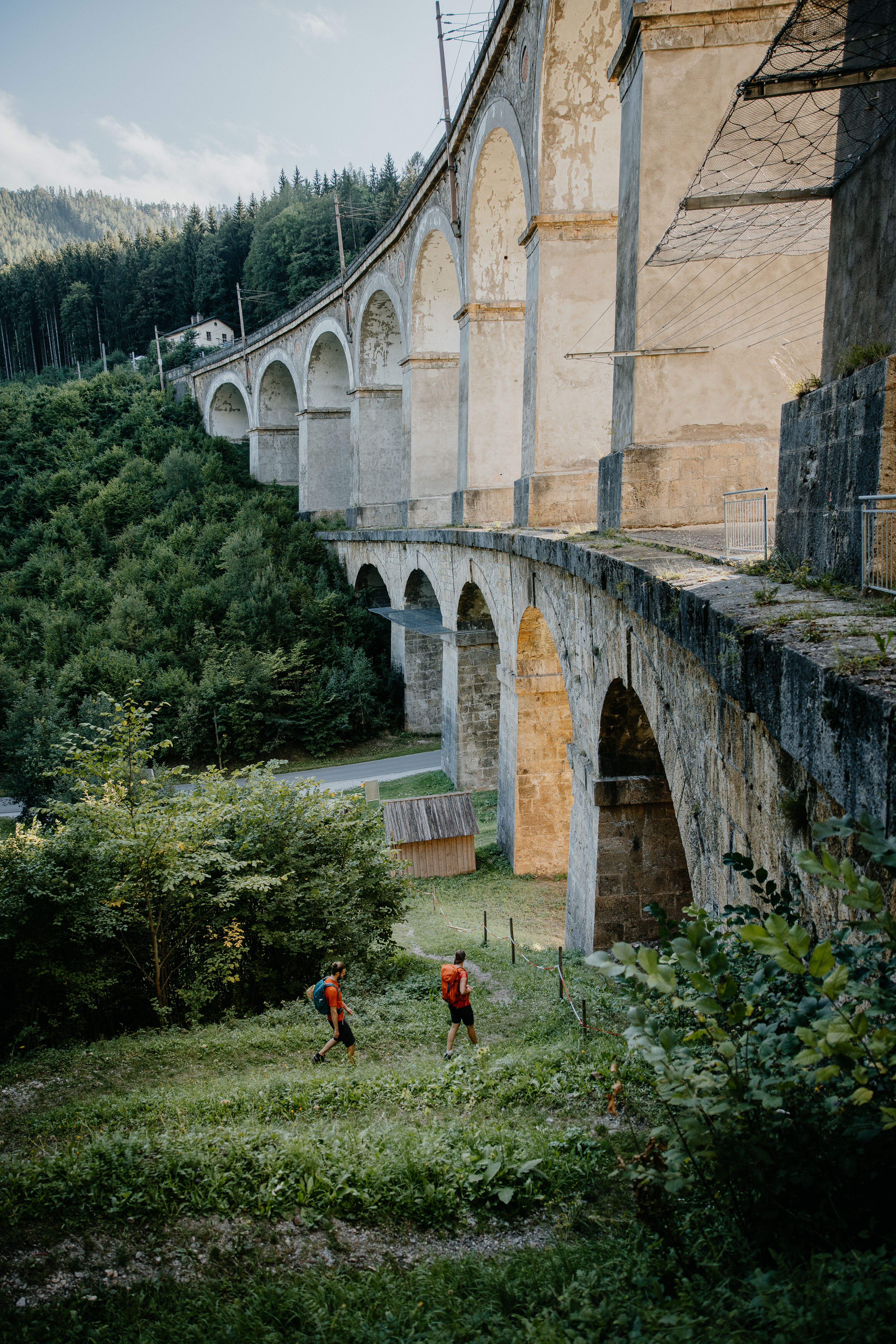
The Semmering railway was Europe'sfirst true mountain railway and is still considered atechnical masterpiece today. Between Gloggnitz and Mürzzuschlag, the route winds its way through the mountain landscape via viaducts, through tunnels and past elegant villas – designated an UNESCO World Heritage Site in 1998. 

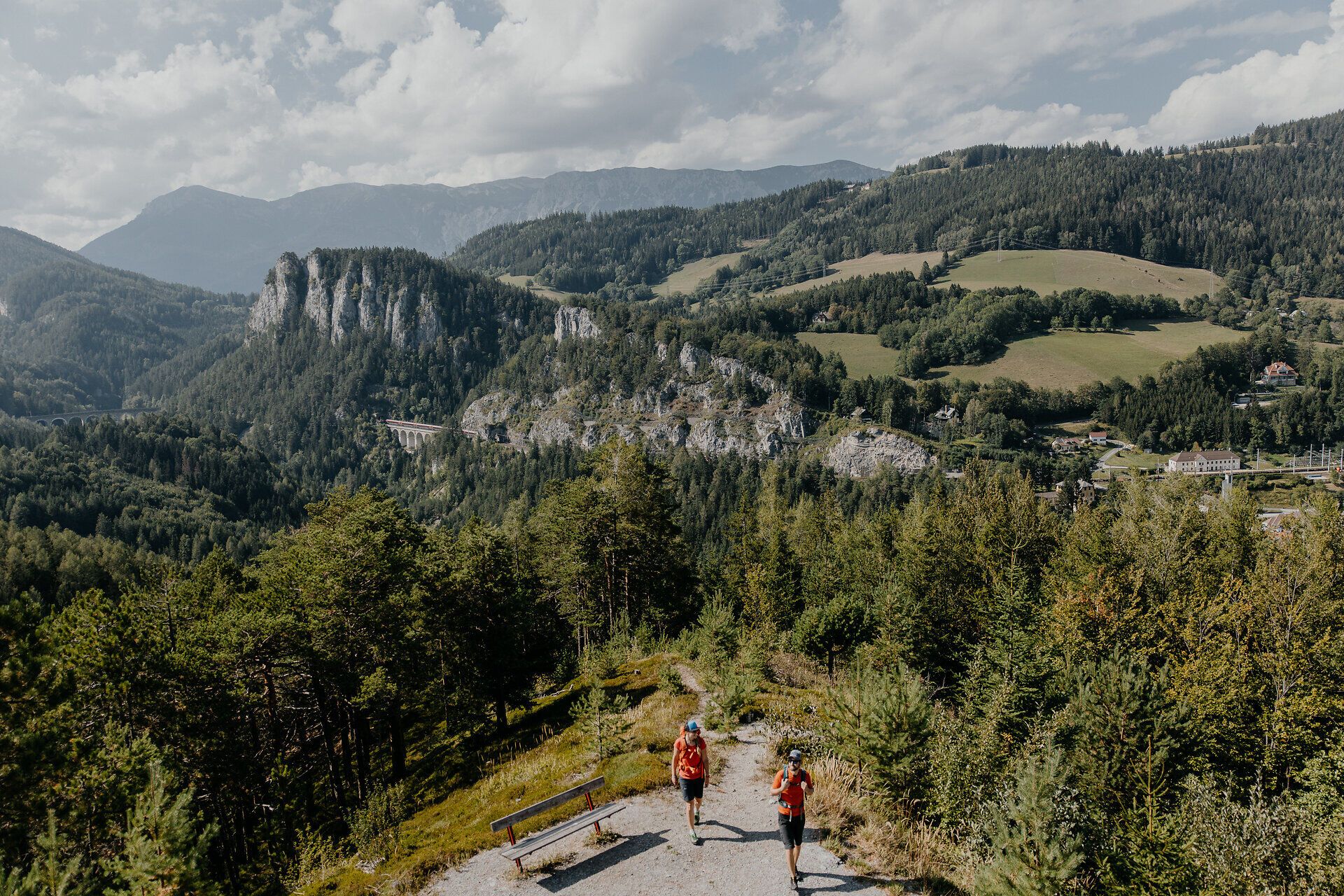
The best way to experience this combination of engineering and nature is on a train journey with views of the historic structures or on hikes along the railway line with its vantage points.

  • ©© Wiener Alpen/nicoleseiser.at

    On the Bahnwanderweg from Semmering to Payerbach

  • ©Wiener Alpen_Herbst

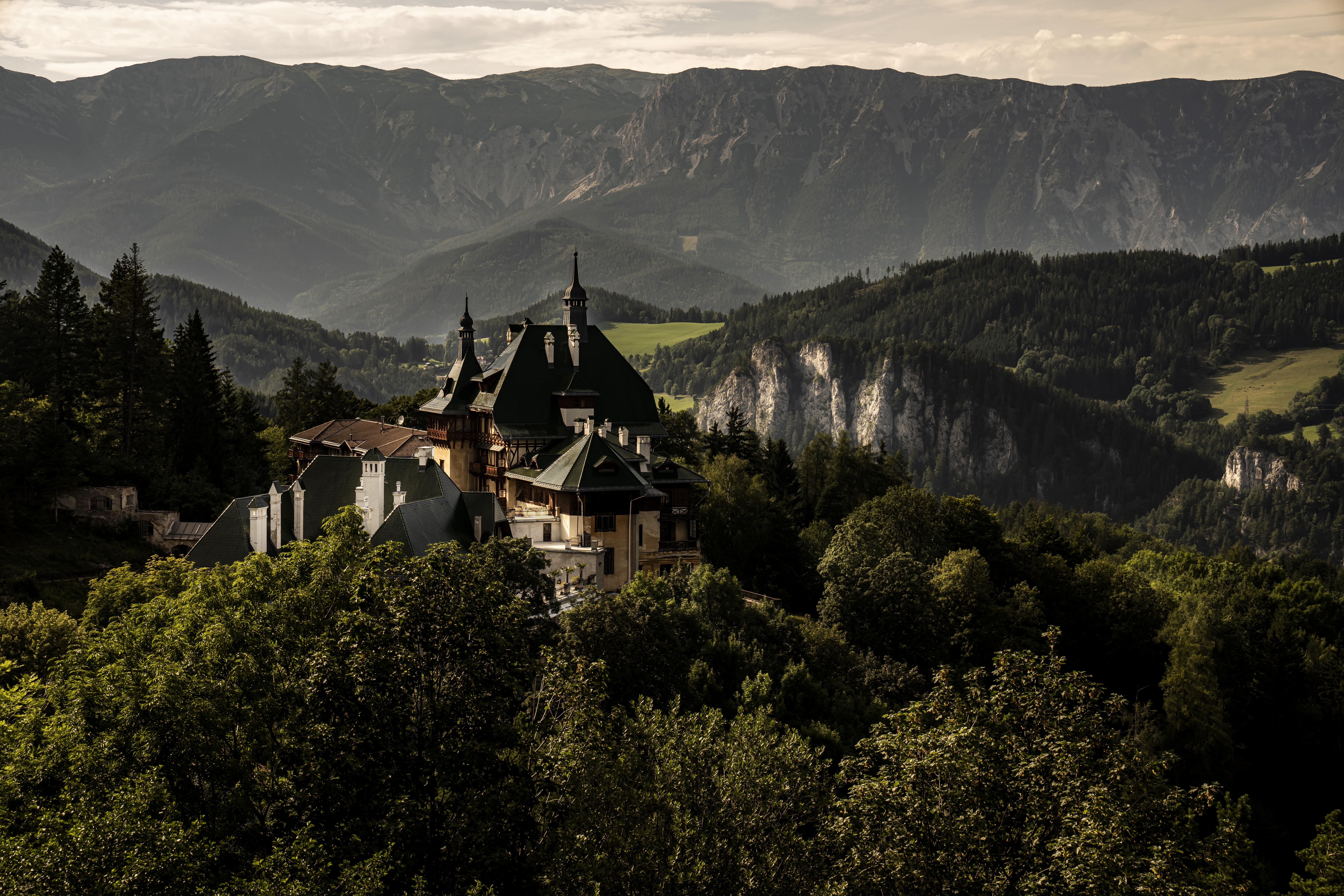
    Südbahnhotel Semmering

  • Semmering railroad hiking trail, railroad hiking, Vienna Alps in Lower Austria
    ©Wiener Alpen/nicoleseiser.at

    Viewpoint "20 Schilling Blick"

Baden spa town

Thermal springs, elegant architecture and musical history: Baden bei Wien has been designated a UNESCO Great Spa Town of Europe and invites visitors to stroll and enjoy themselves.

What is there to discover in the spa town of Baden?

In 2021, Baden bei Wien was added to the UNESCO World Heritage List as part of the "Great Spa Towns of Europe" – a testament to a spa culture that stretches from the Romans to the Biedermeier period into the present day. 

The town combines historic spa architecture, spa gardens and an elegant townscape with a lively culture: visits from thermal baths and terrain cures to walks along the historic villa districts to the casino, photo festival, theatre and summer festivals, the World Heritage Site can be experienced here in a relaxed manner.

You will find carefully curated travel tips in our Baden city break. 

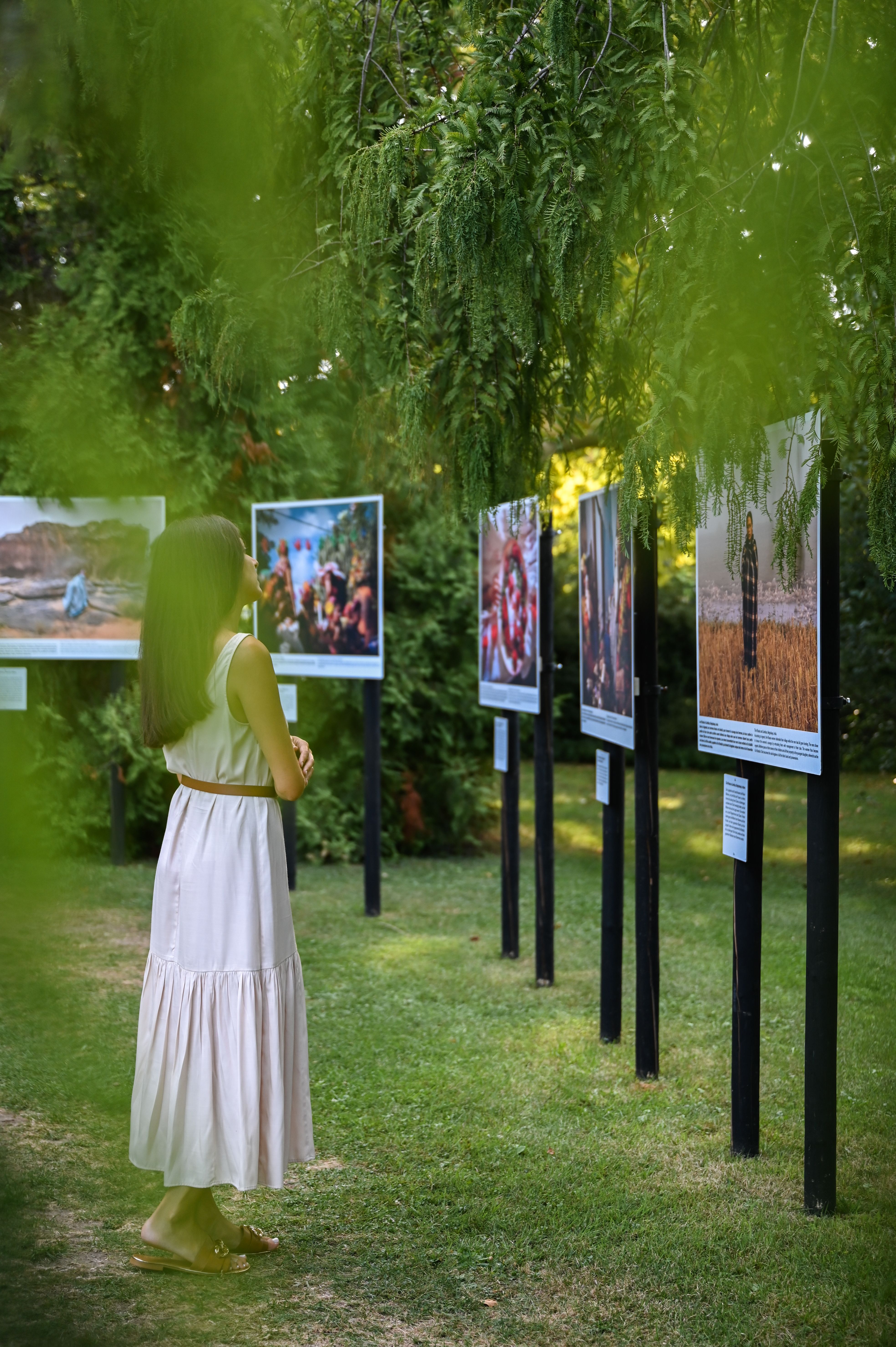
  • ©© Niederösterreich Werbung/Lisa Sedlatschek

    La Gacilly-Baden Photo Festival

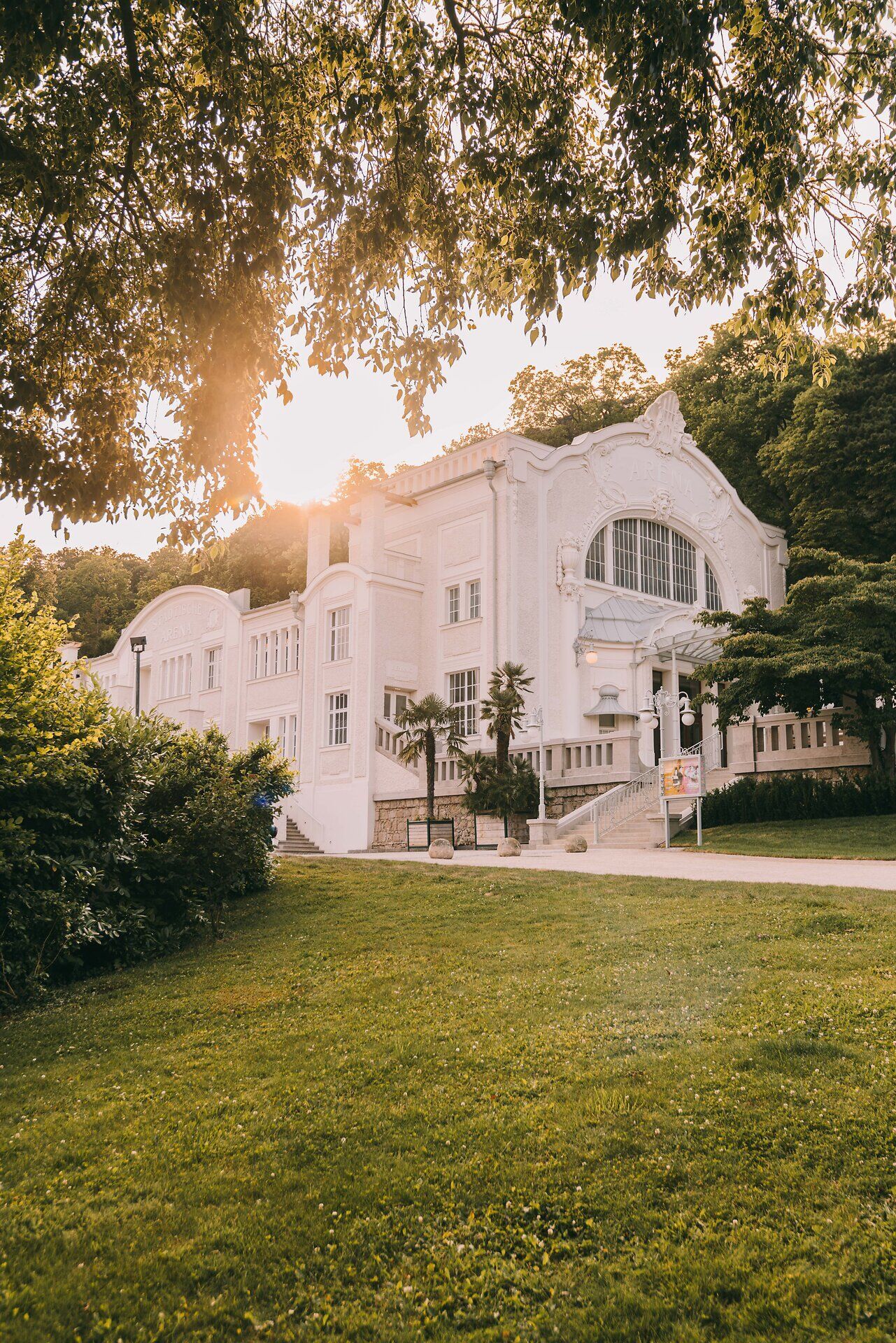
  • ©Christian Husar

    Bühne Baden | Stadttheater Baden and Sommerarena Baden


  • ©© Wienerwald Tourismus/Martin Fülöp

    Thermal beach of Baden

  • Illustrative image
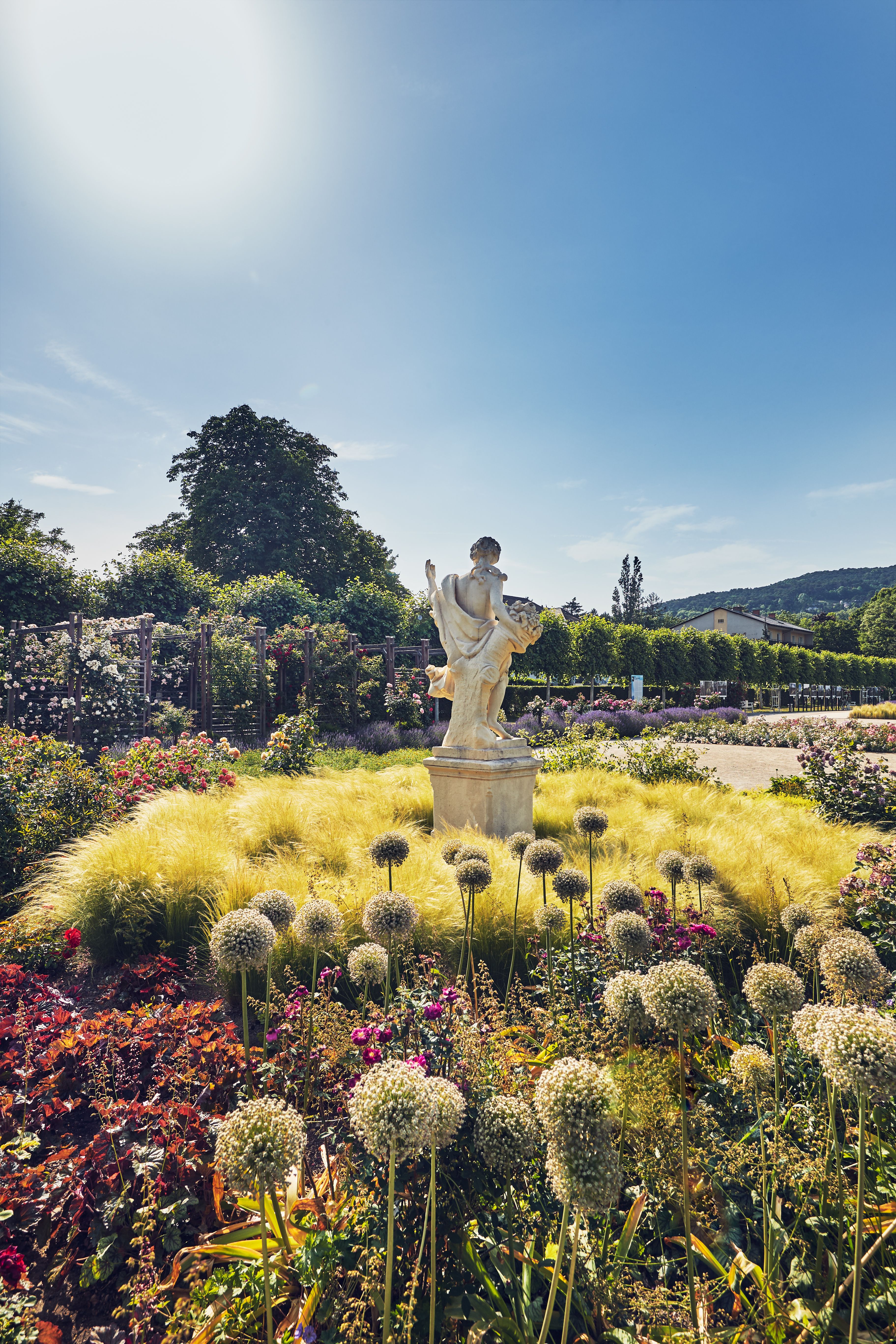
    ©© Wienerwald Tourismus/Andreas Hofer

    Baden Rosarium/Dobblhoffpark

Danube Limes

Roman watchtowers and forts tell the story of the empire's border region. This UNESCO World Heritage Site combines history with impressive locations along the Danube.

What is there to discover along the Danube Limes?

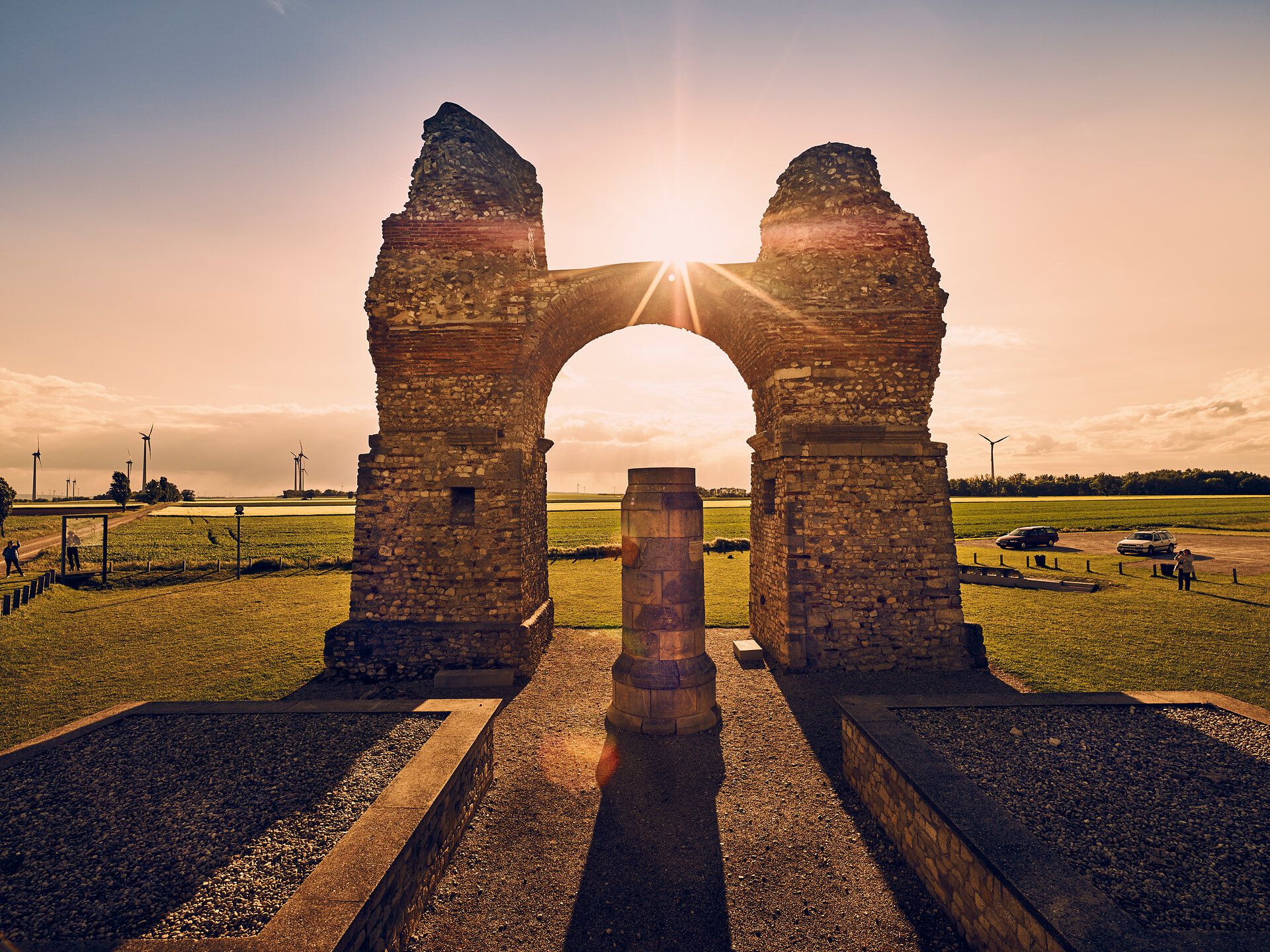
The Danube Limes once marked the northern border of the Roman Empire – today, its course in Lower Austria is part of the UNESCO World Heritage Site "Frontiers of the Roman Empire". Along the Danube between Ybbs and Zeiselmauer, forts, legion camps, civilian settlements and archaeological sites remind us of life on the ancient border.

This history can be experienced through exhibitions, guided tours and walks in places such as Traismauer, Tulln, Zeiselmauer and Mautern, where Roman walls, finds and reconstructions convey a vivid picture of everyday life on the Danube border.

  • ©Florian Schulte

    Mautern – the ancient Favianis

  • ©Donau Niederösterreich - Kamptal-Wagram-Tullner Donauraum

    Cultural route "Speaking Romans" in Traismauer

  • ©© Donau Niederösterreich/Andreas Hofer

    Römerstadt Carnuntum

  • Illustrative image
    ©© Donau Niederösterreich/Andreas Hofer

    Heidentor

Frequently Asked Questions

Frequently asked questions about UNESCO World Heritage Sites in Lower Austria.