
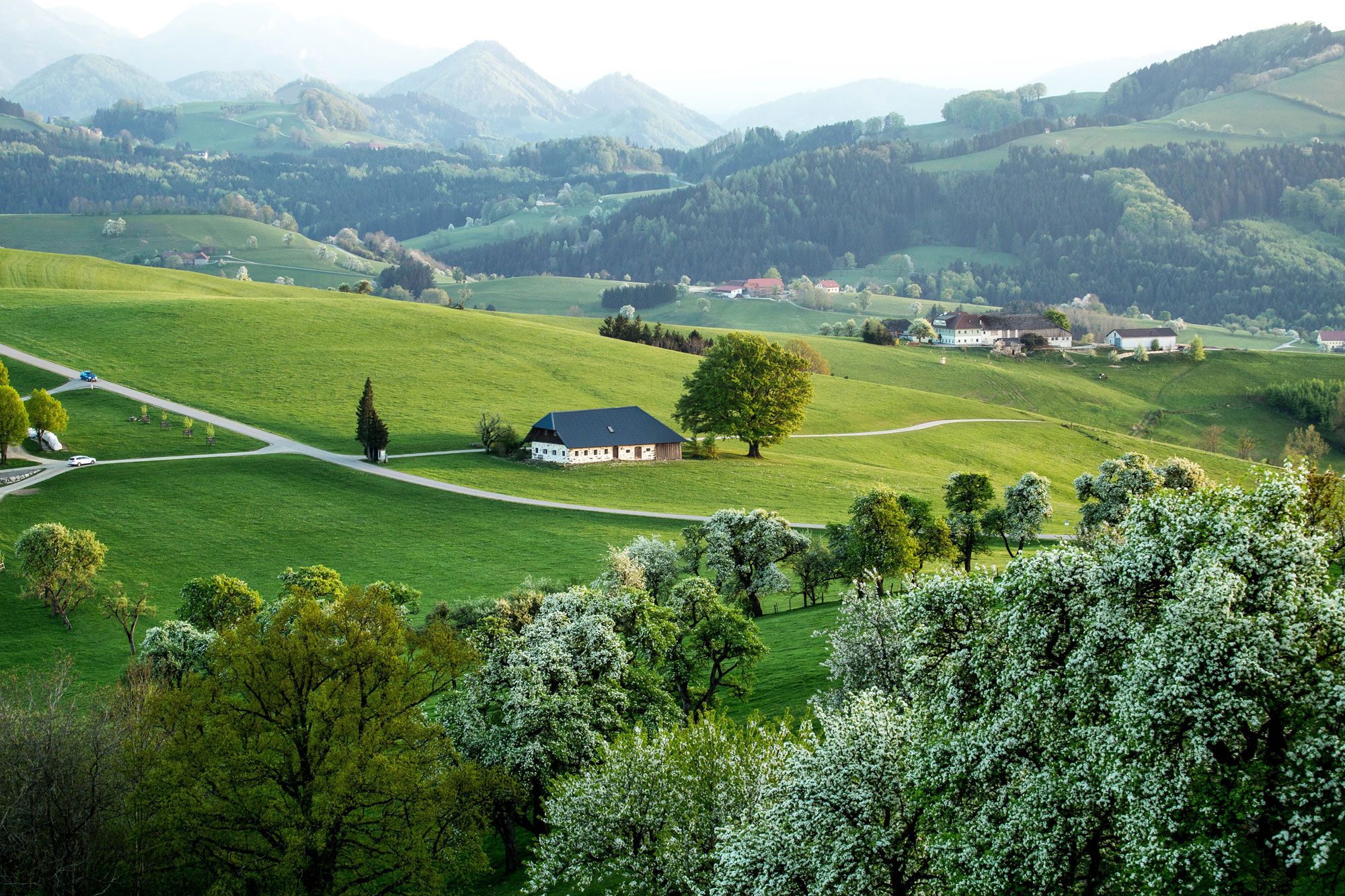
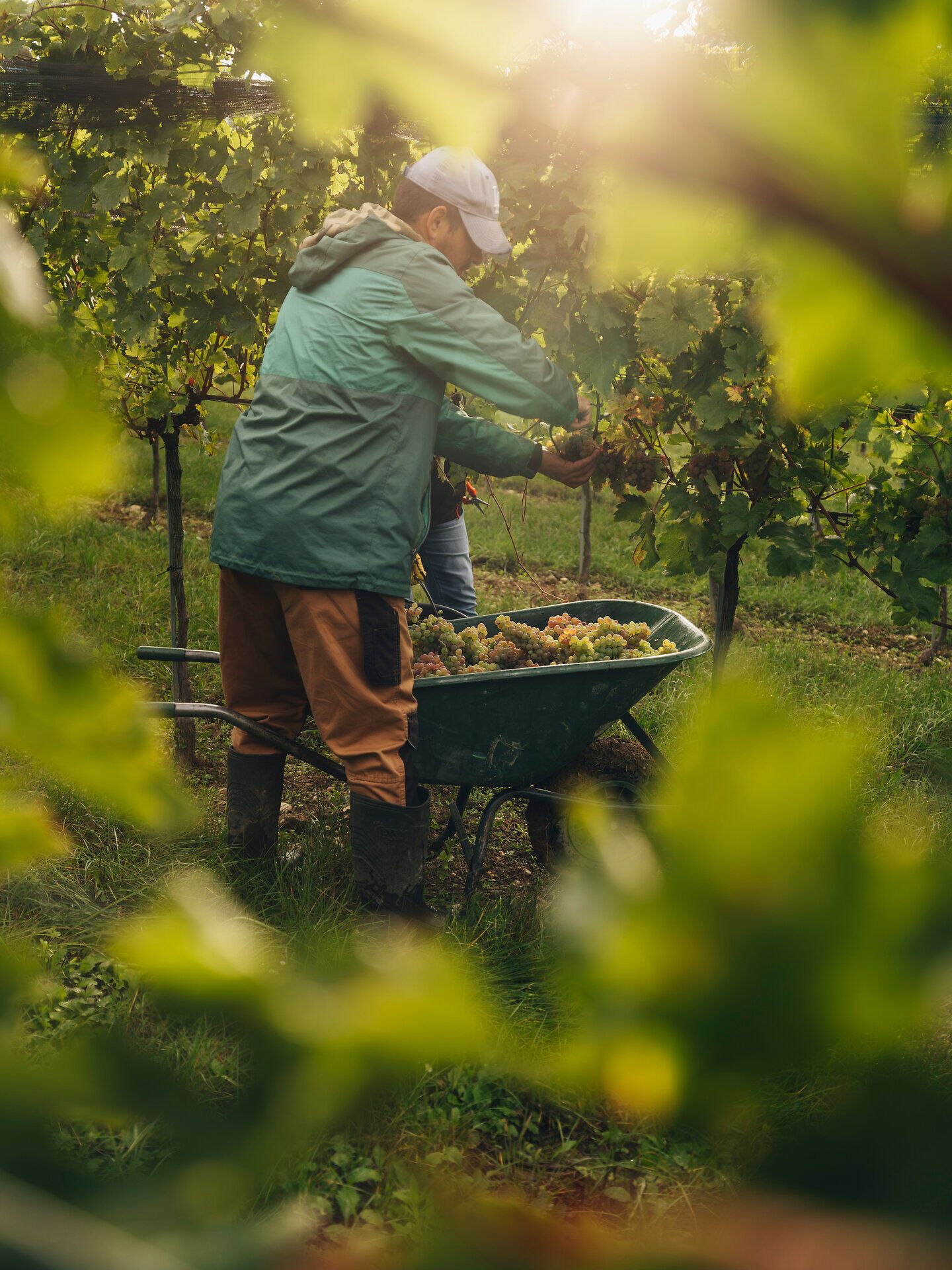

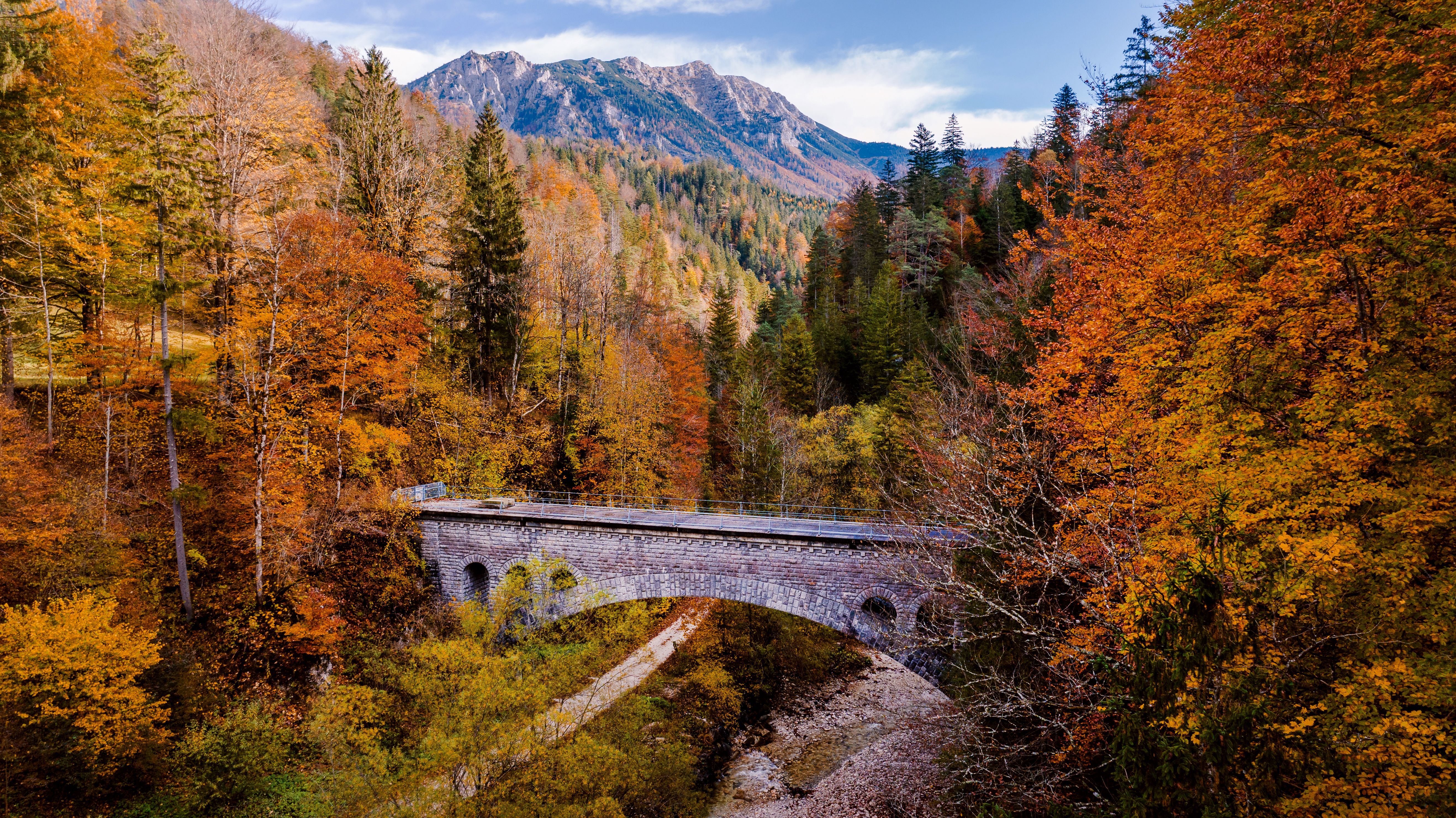
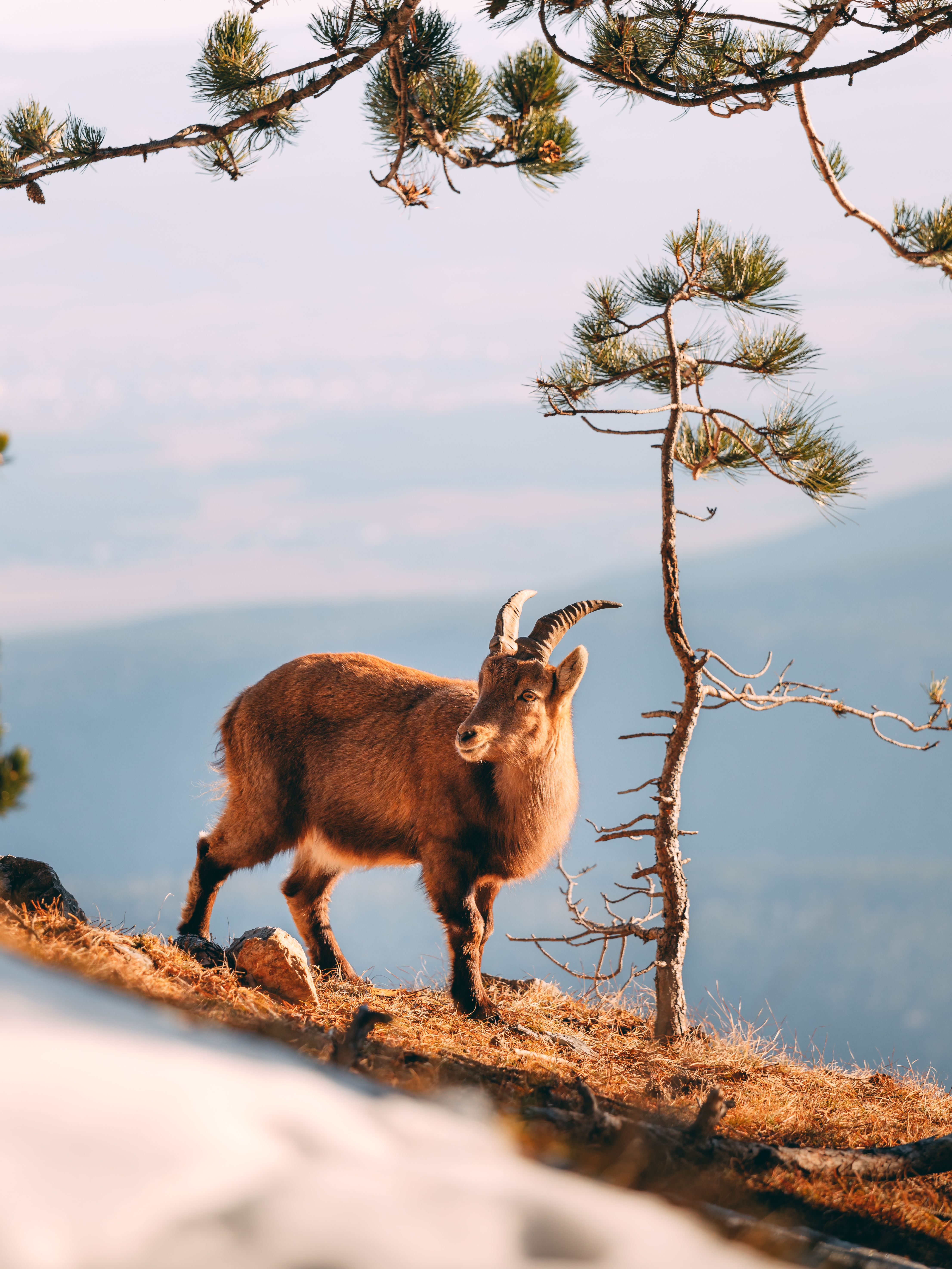
Lower Austria is the largest federal state in Austria and is known for its multifaceted landscapes - from the Cider and Weinviertel, the Danube valley and Waldviertel to the Vienna Woods and the Vienna Alps - as well as its distinctive wine and gourmet culture and important cultural venues and festivals.
Lower Austria's most important landmarks include:
- Melk Abbey: Baroque Benedictine abbey overlooking the Danube, international symbol of Lower Austria and part of the UNESCO World Heritage Site Wachau.
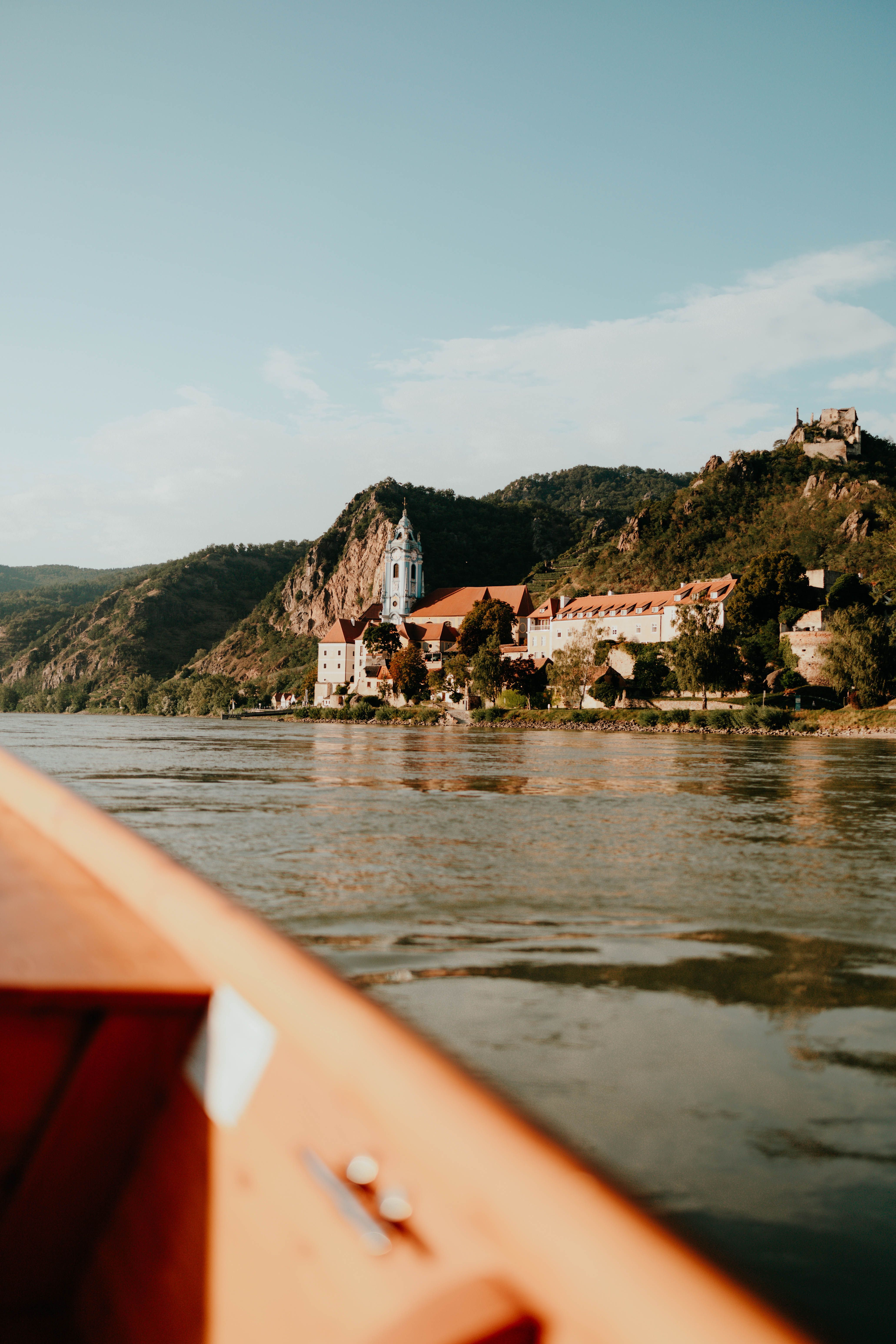
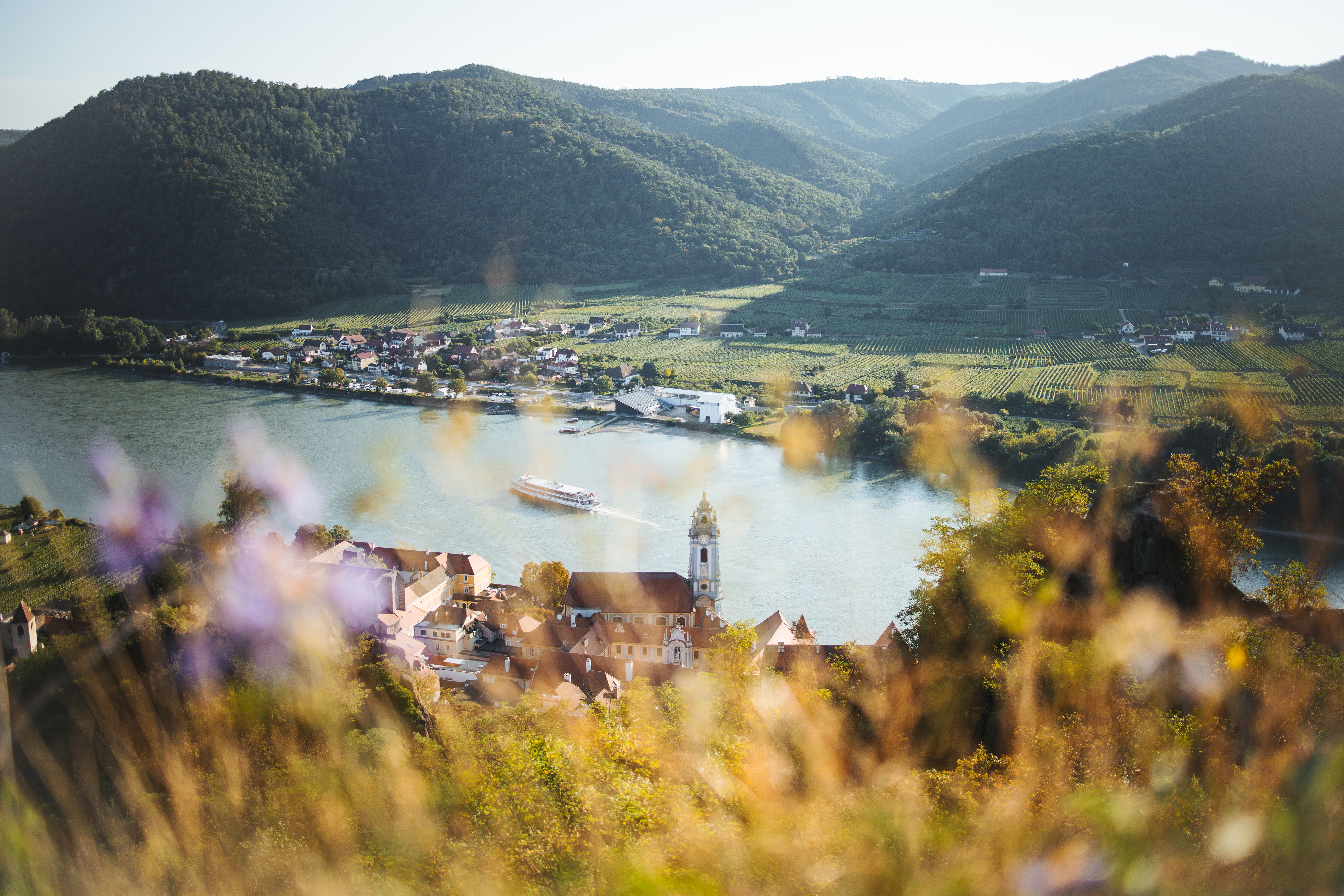
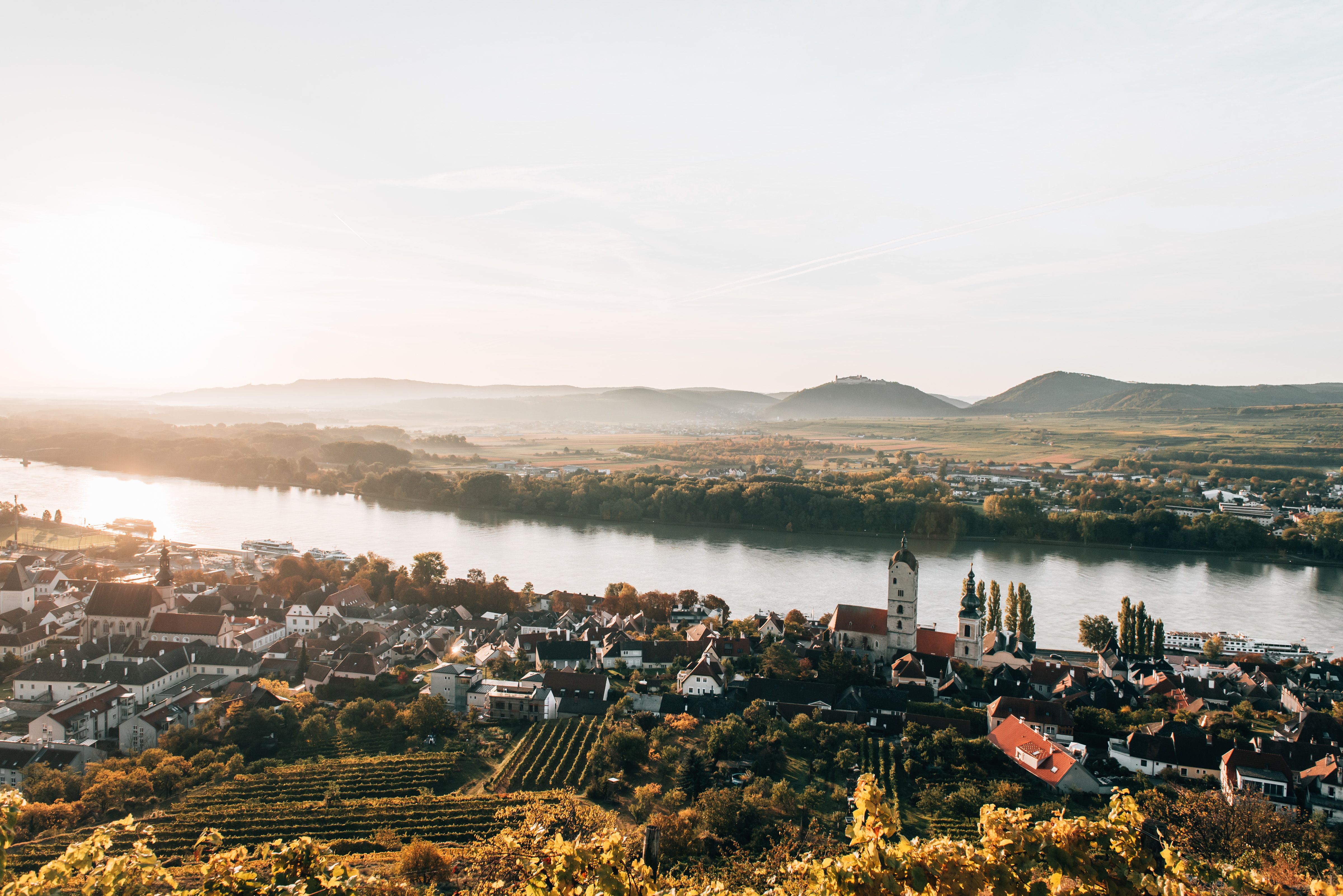
- Wachau: Terraced vineyards between Melk and Krems, historic towns, abbeys and castles - UNESCO World Hertige site and flagship of the province.
- Göttweig Abbey: "Austria's Montecassino" above the Danube valley, characterises the Wachau skyline as a landmark.
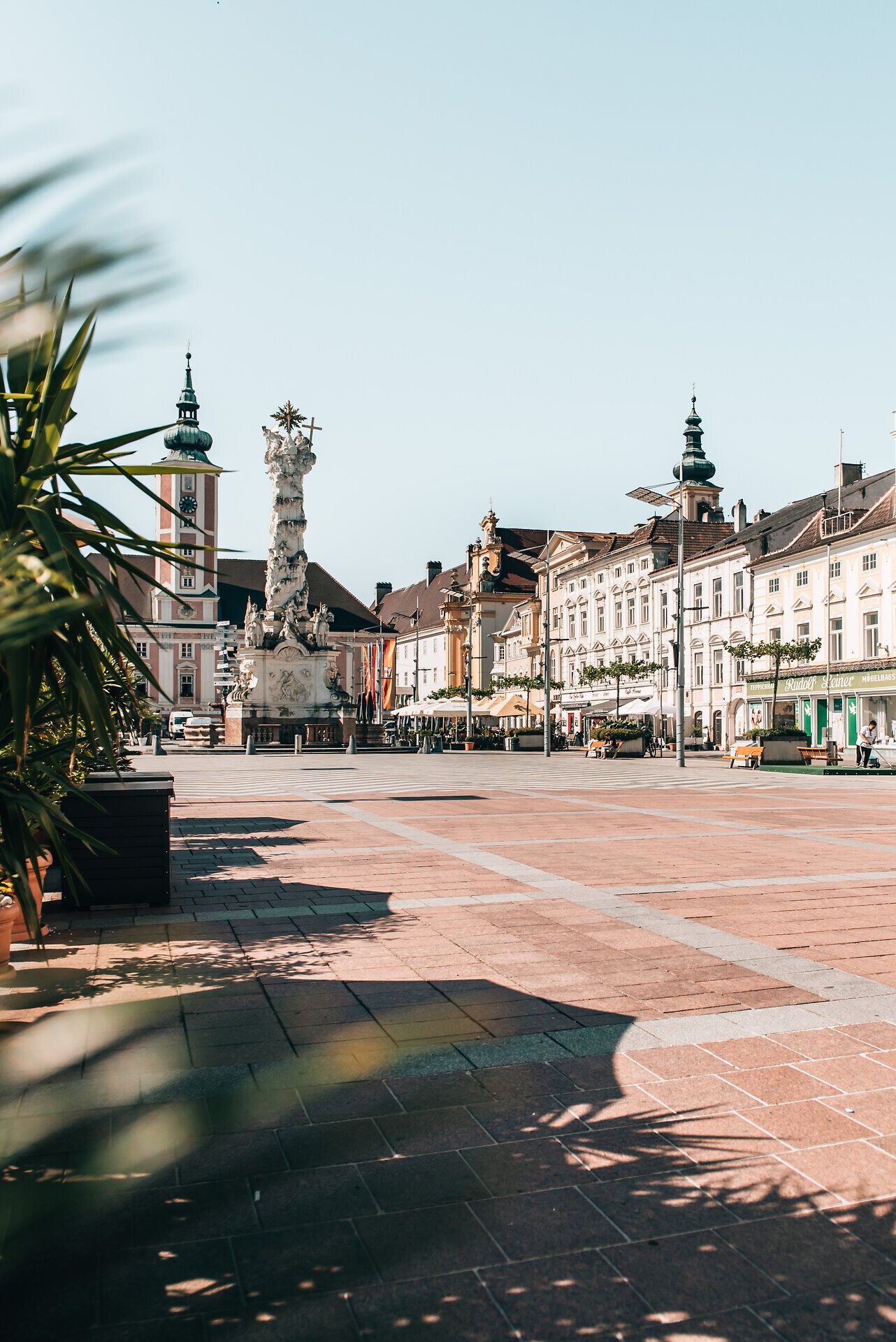
- St. Pölten: State capital with baroque old town and modern government district; cathedral and sound tower as striking landmarks.
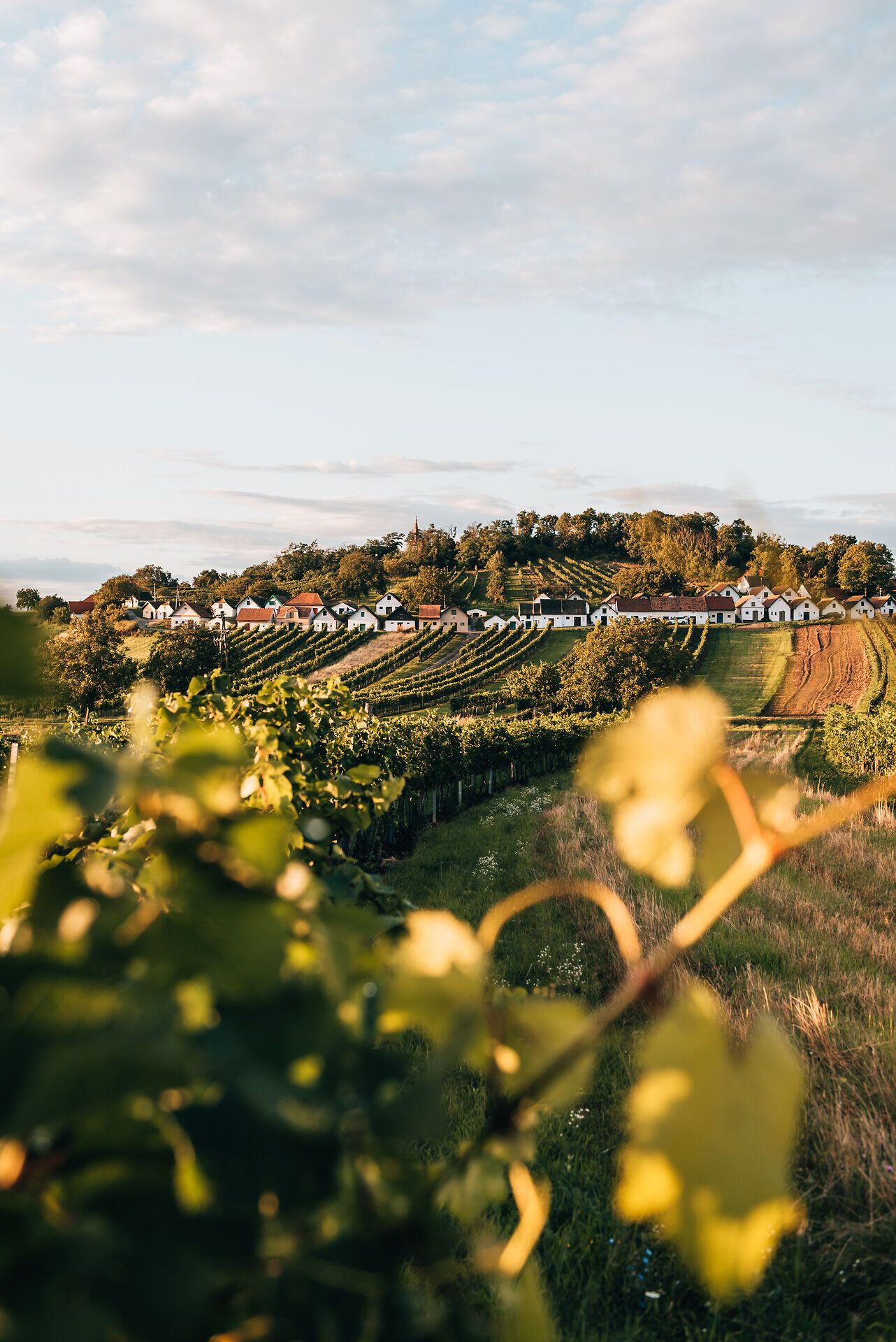
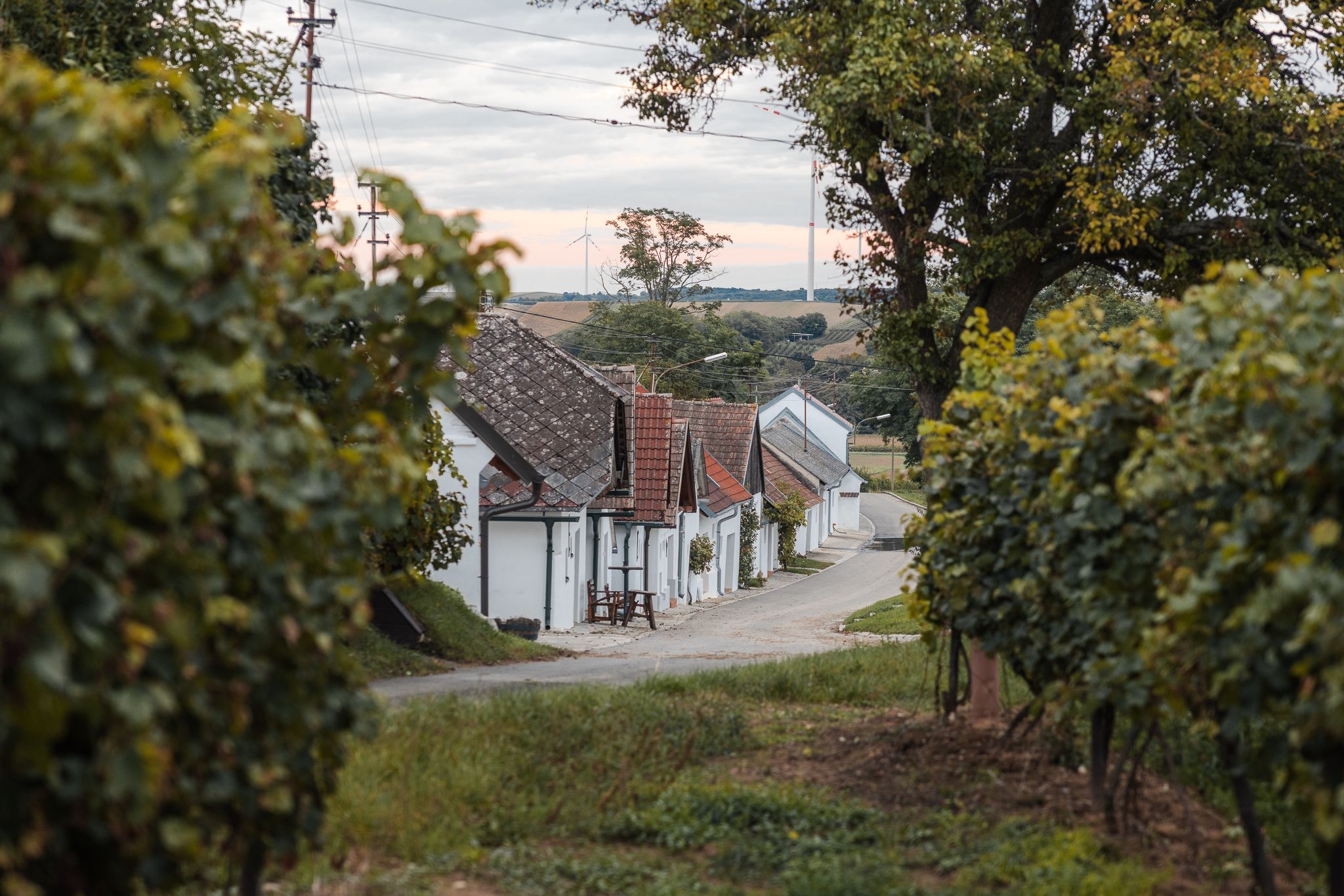
- Wine cellar lanes: Rows of press houses and cellars, intangible cultural heritage and particularly common in the Weinviertel.
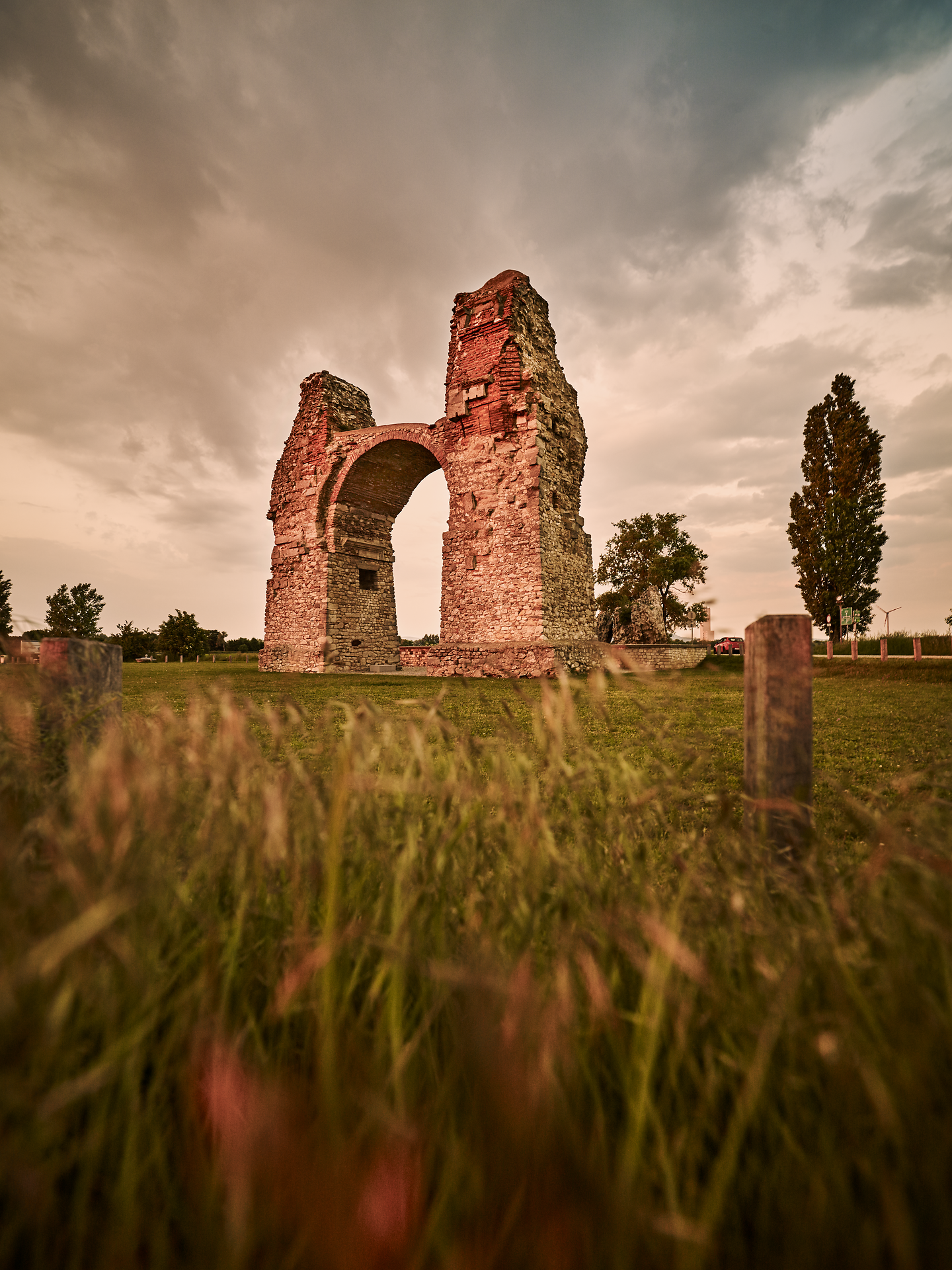
- Carnuntum & Heidentor: Roman urban landscape on the Danube, the Heidentor as a striking symbol of the ancient heritage.
- Mariazell Railway: Historic narrow-gauge railway from St. Pölten to Mariazell, iconic connection through the Pielach Valley.
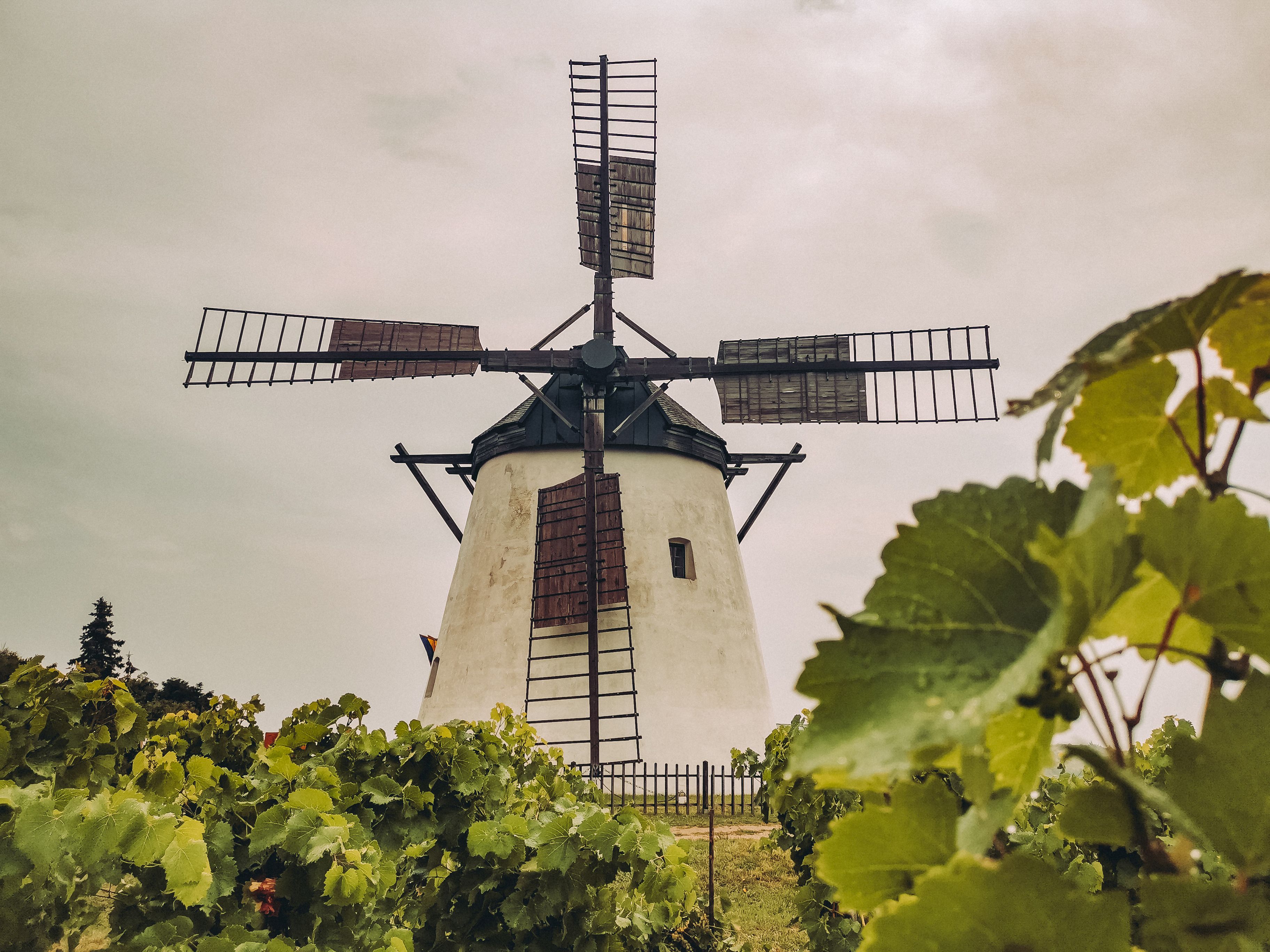
- Retz windmill: One of the last remaining operational windmills in Austria and an iconic landmark of the wine town of Retz.
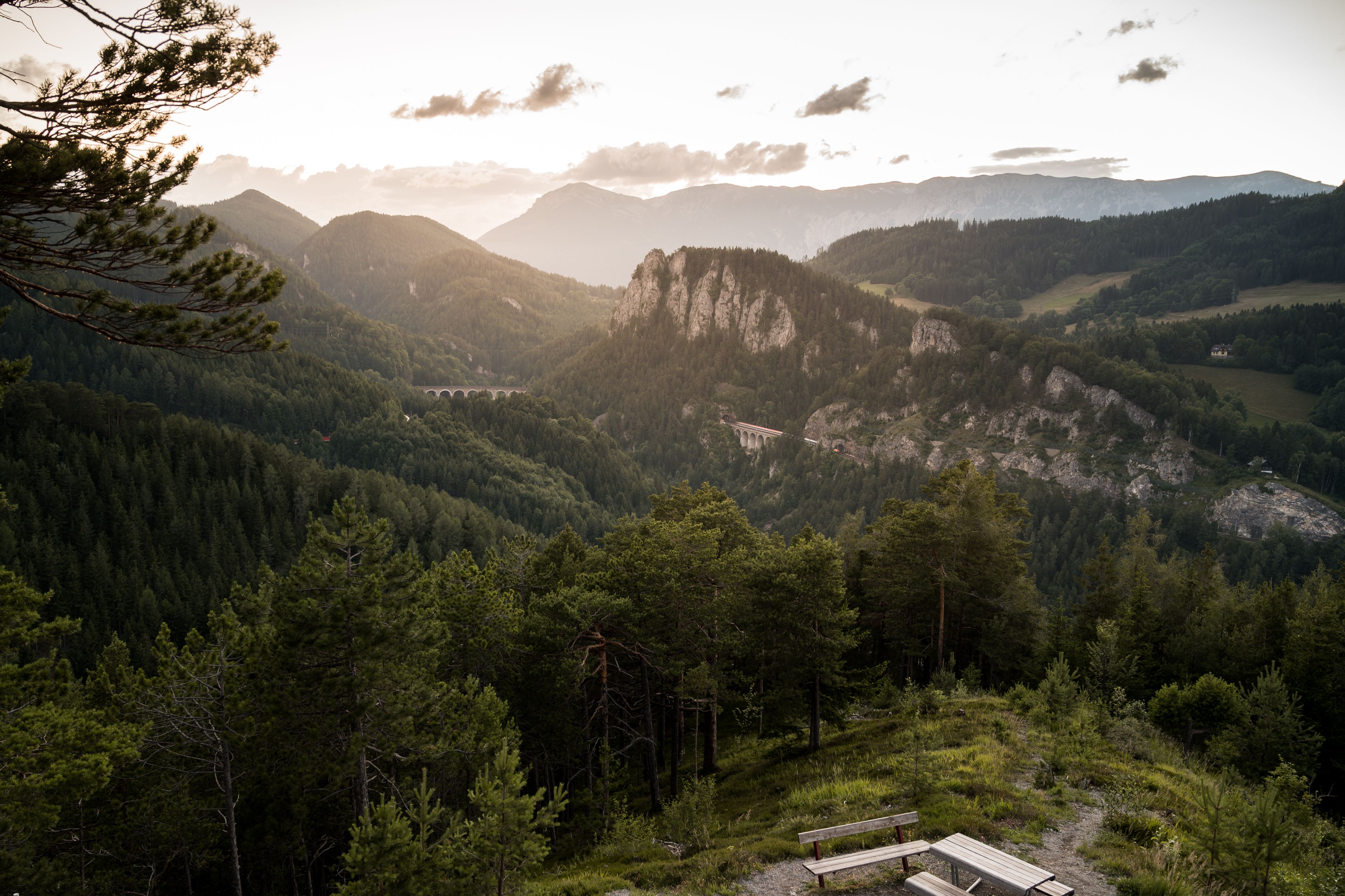
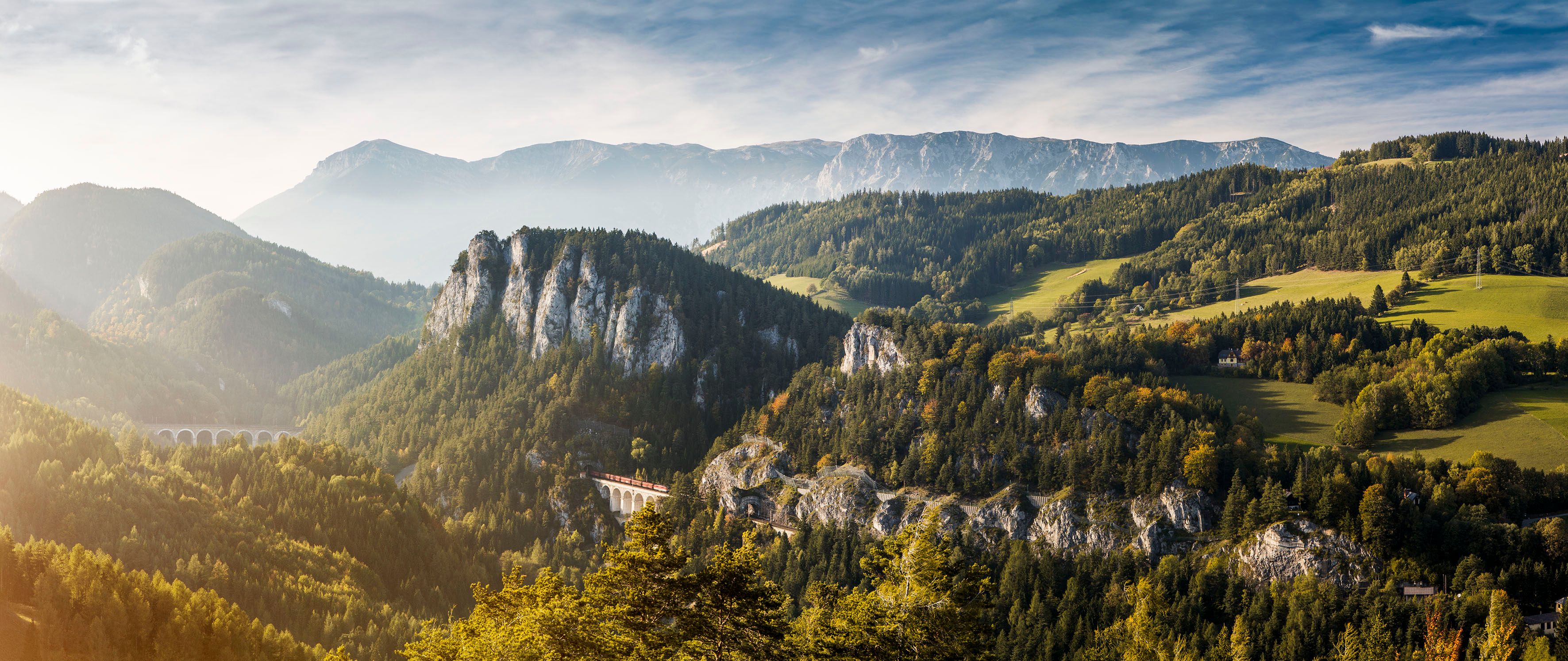
- Semmering Railway: The world's first mountain railway, UNESCO World Heritage Site and symbol of the summer resort.
- Schneeberg: 2,076 metre-high local mountain on the outskirts of Vienna and a striking peak in the Vienna Alps.
- Rax & Rax Areal Ropeway: rocky plateau on the eastern edge of the Alps; the Rax Areal Ropeway opened in 1926 as a legendary gateway to Vienna's local mountains.
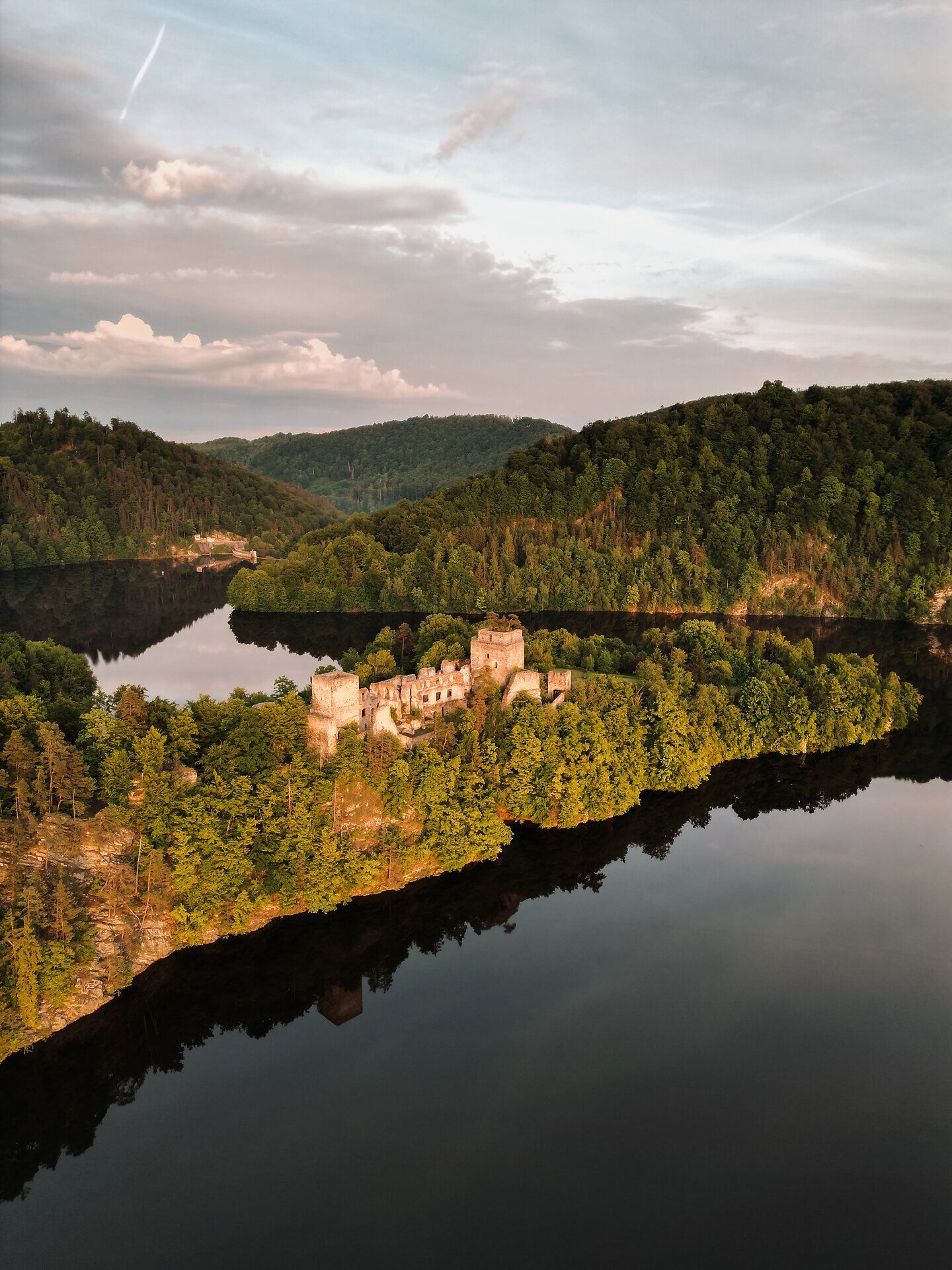
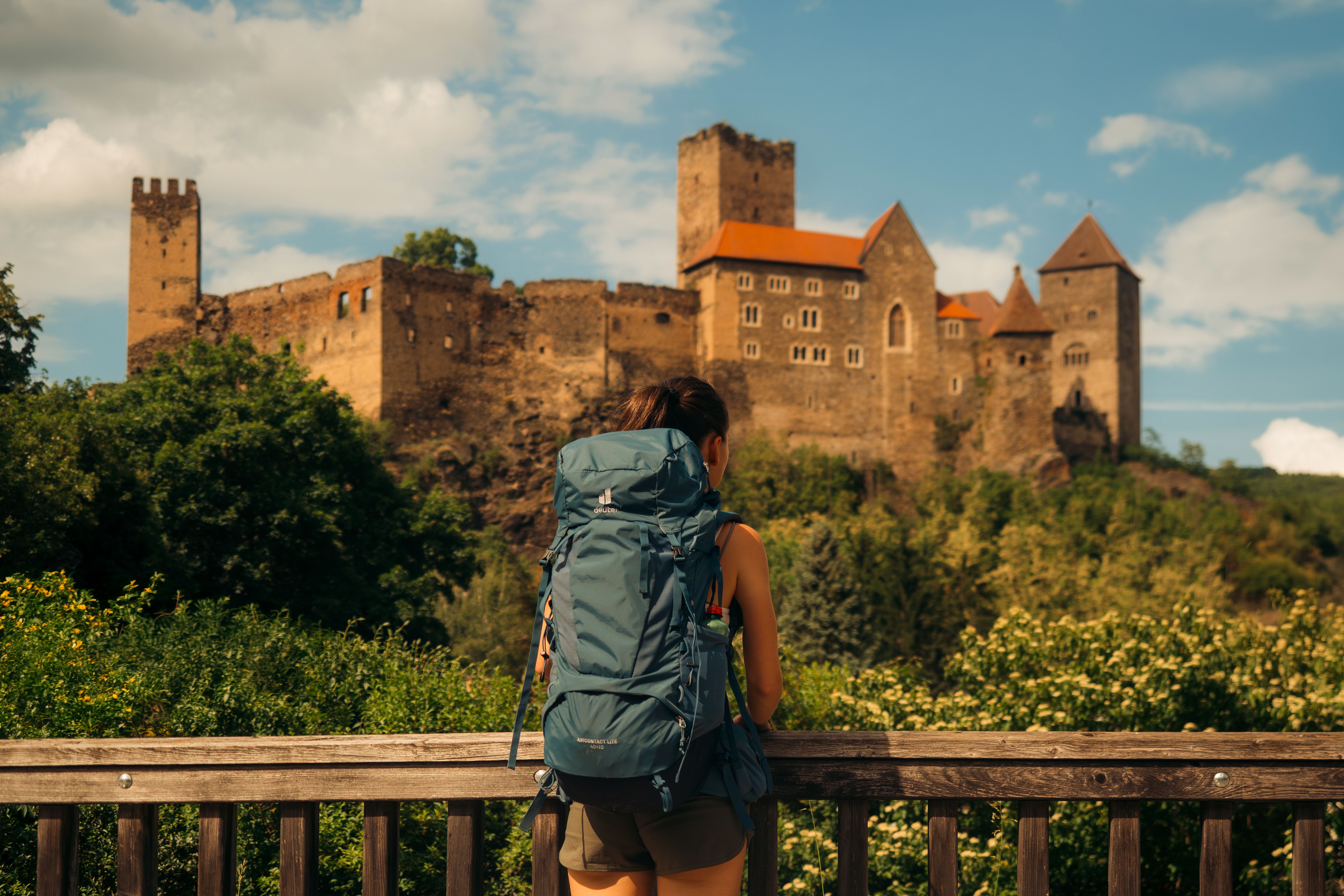
- Castles and palaces: Aggstein and Dürnstein castle ruins, Renaissance Schallaburg Castle, Grafenegg Castle and the Marchfeld castles of Schloss Hof, Eckartsau, Marchegg and Orth, which characterise the region.