1. good preparation
Careful planning ensures safety and a relaxed nature experience. If you realistically assess the route, weather and your own fitness level, you will be better prepared for the tour.
- Check tour length and level of difficulty
- Check the weather forecast
- Take into account information on trail closures and protected areas
2. stay on marked trails
Marked trails protect nature and help with orientation. Shortcuts can cause lasting damage to plants, soil and habitats or cross private property.
- Only use marked trails
- Avoid shortcuts and respect private land
- Mind the trail markers and signs
3. show respect for nature and animals
Many hiking trails lead through sensitive habitats. Mindful behaviour helps to avoid disturbing animals and to preserve landscapes.
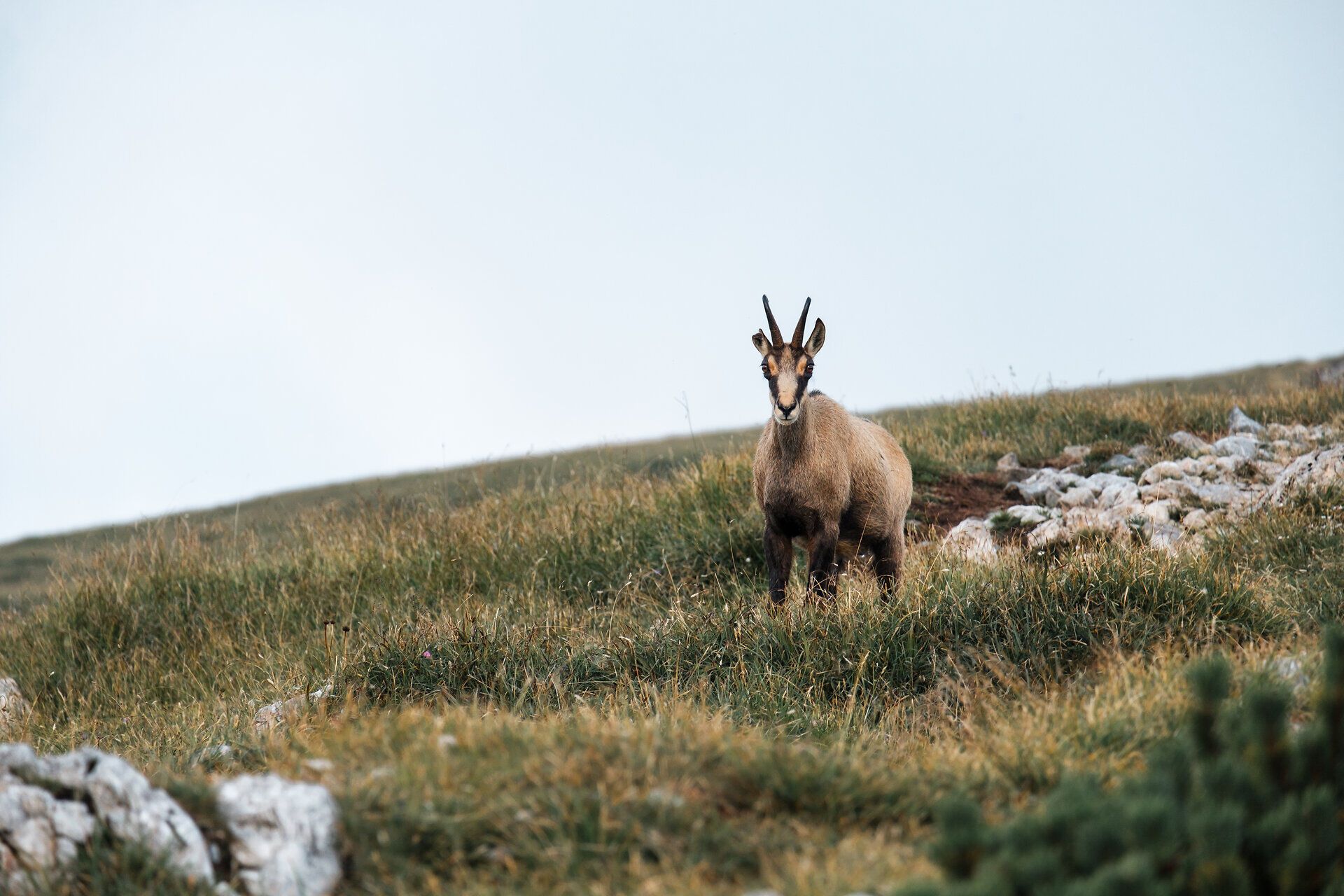
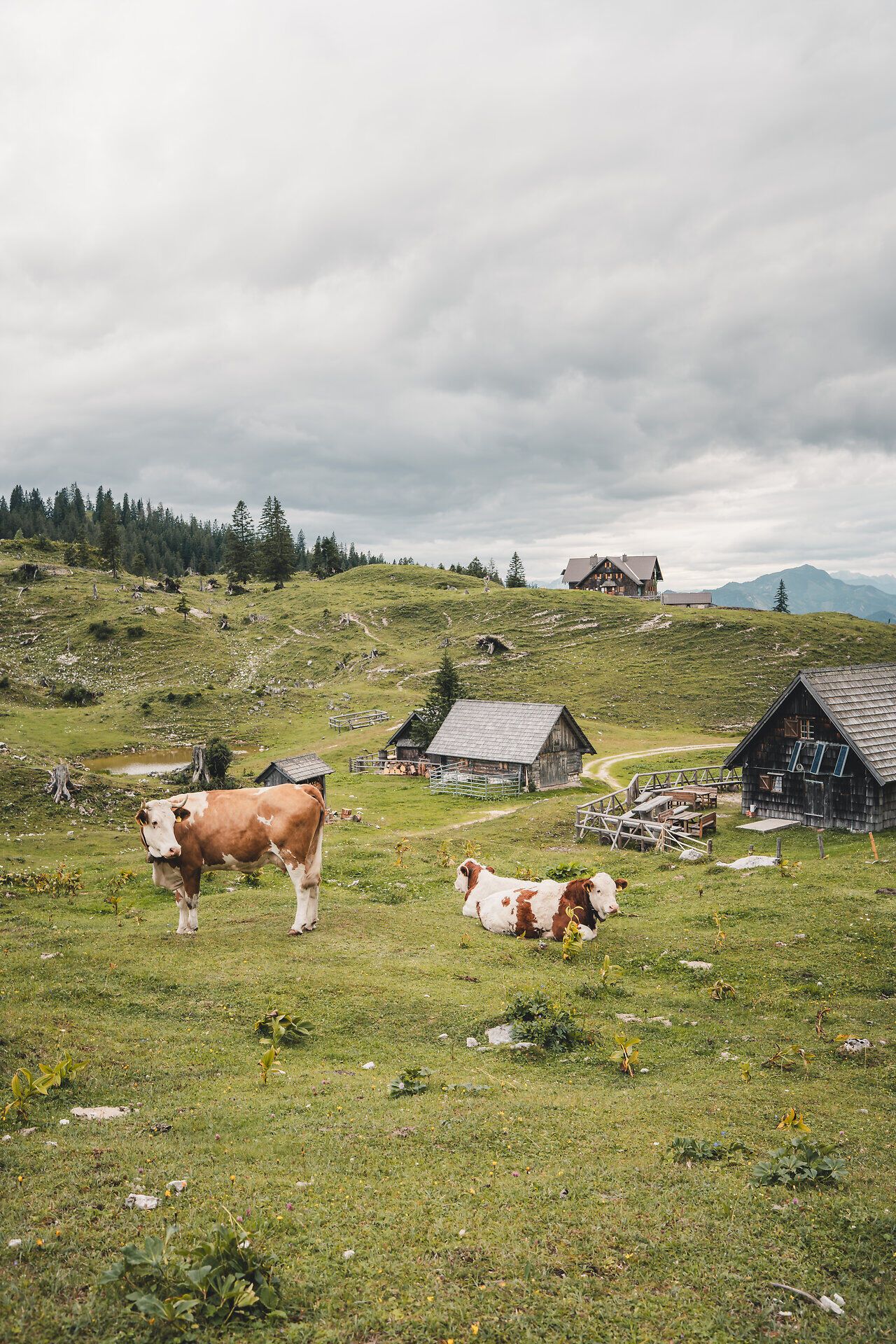
- Keep your distance from wild and grazing animals
- Behave quietly, do not feed the animals
- Be particularly sensitive during the breeding and mating season
4. fairness towards other people
Respectful interaction makes travelling more pleasant for everyone, whether hiking or cycling. Attention and consideration ensure relaxed encounters along the way.
- Show consideration in narrow places
- Adapt your speed to the conditions
- Stay attentive to each other
5. lead dogs responsibly
Dogs are welcome companions, but need clear guidance. Consideration for others and animals is particularly important.
- Keep your dog on a lead
- Pick up after your dog
- Bring food and water for the dog
Note: Dogs must be kept on a short lead and at a sufficient distance from the herd, especially when crossing cattle pastures. In the event of an attack, it is important to unleash or let go of the dog. This allows your dog to escape and you can get to safety.
6. leave no trace, take your litter home
Clean trails and landscapes are part of the nature experience. Take your rubbish with you when you leave.
- Do not leave any rubbish behind in nature
- Also take organic waste with you
- Dispose of packaging and tissues
7. take safety on the trail seriously
Responsible hiking means taking care of yourself and your surroundings. If you feel unsafe, it is better to react in good time.
- Realistically assess your strength
- Take enough breaks
- If in doubt, turn back in good time
8. keep an eye on the weather
Weather conditions can change quickly when hiking, especially in the mountains. You will find up-to-date weather information on the detailed pages of the tours - but it is still advisable to check the development on an ongoing basis.
- Check the weather information on the tour pages
- Keep an eye on weather developments during the tour
- Current information can be obtained from weather services such as ZAMG (e.g. for weather warnings) or Bergfex
9. suitable equipment
The right equipment increases safety and comfort on every tour. It should be adapted to the route, weather and season.
What you should always have with you:
- Sturdy shoes and weatherproof clothing
- Sufficient water and snacks/food for the hike
- Containers for waste and rubbish
- A small first-aid kit
- Sun protection
- Hiking poles if necessary
- For overnight stays: Hut sleeping bag, earplugs, headlamp and necessary toiletries
- ID card