Along the river through the countryside
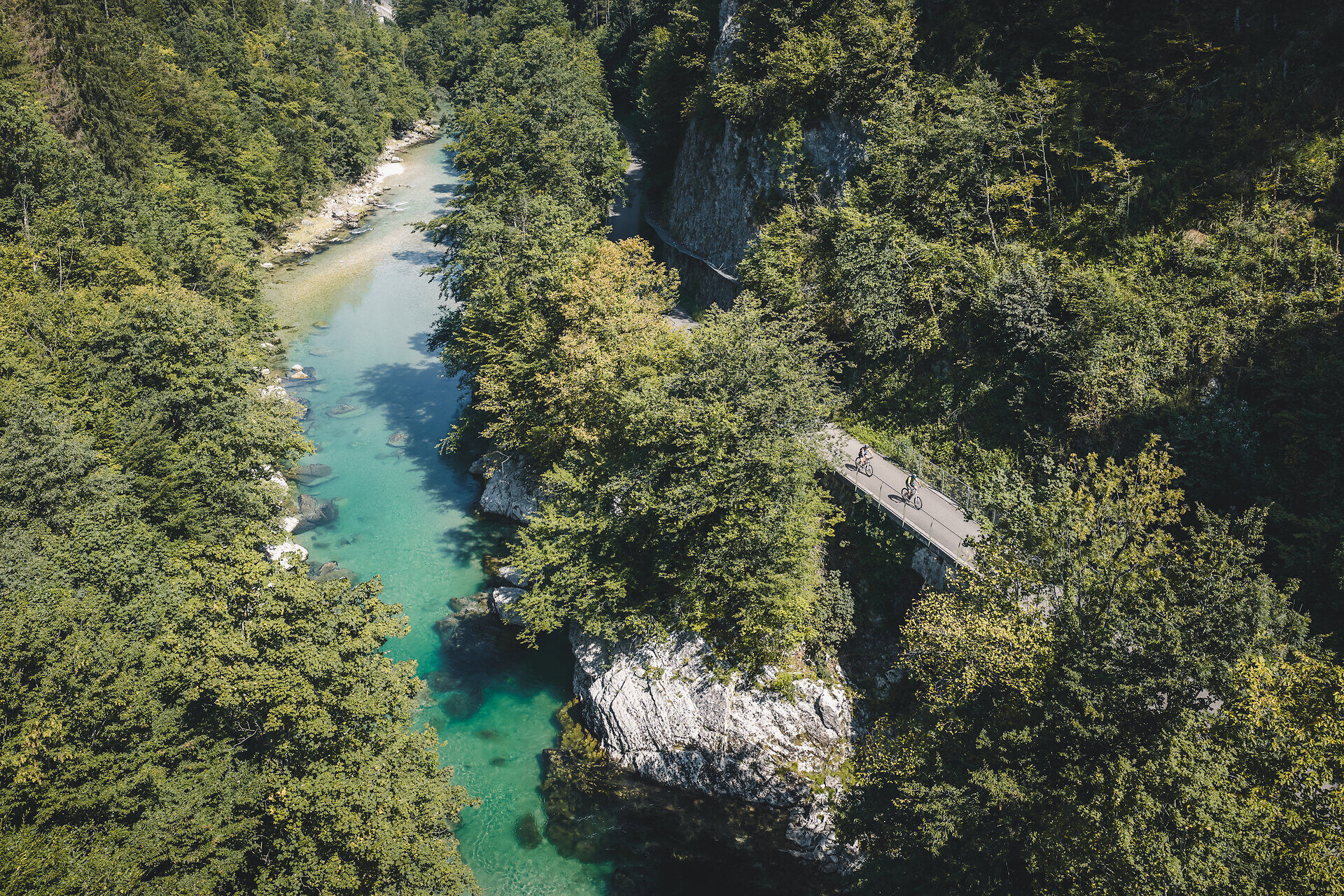
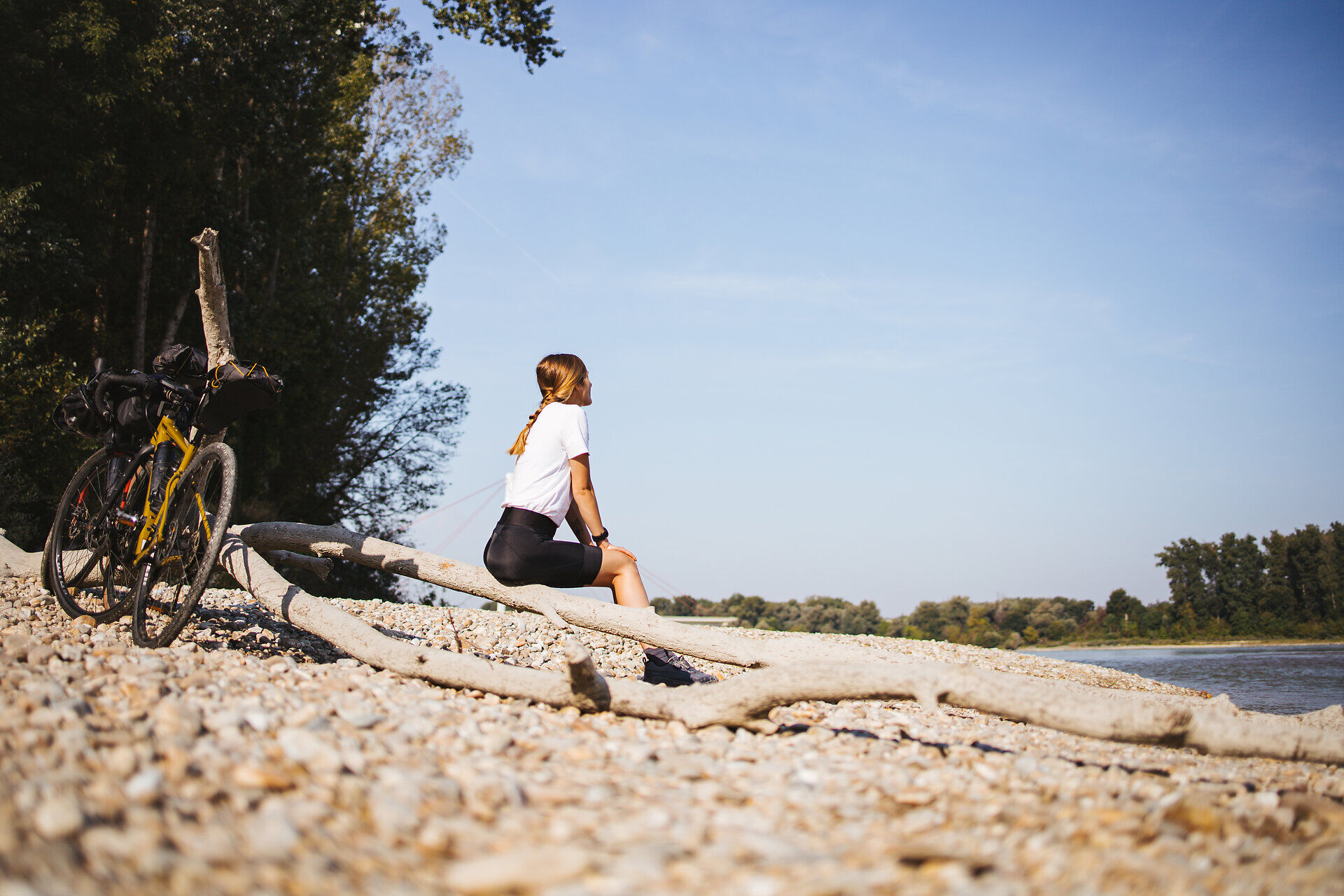
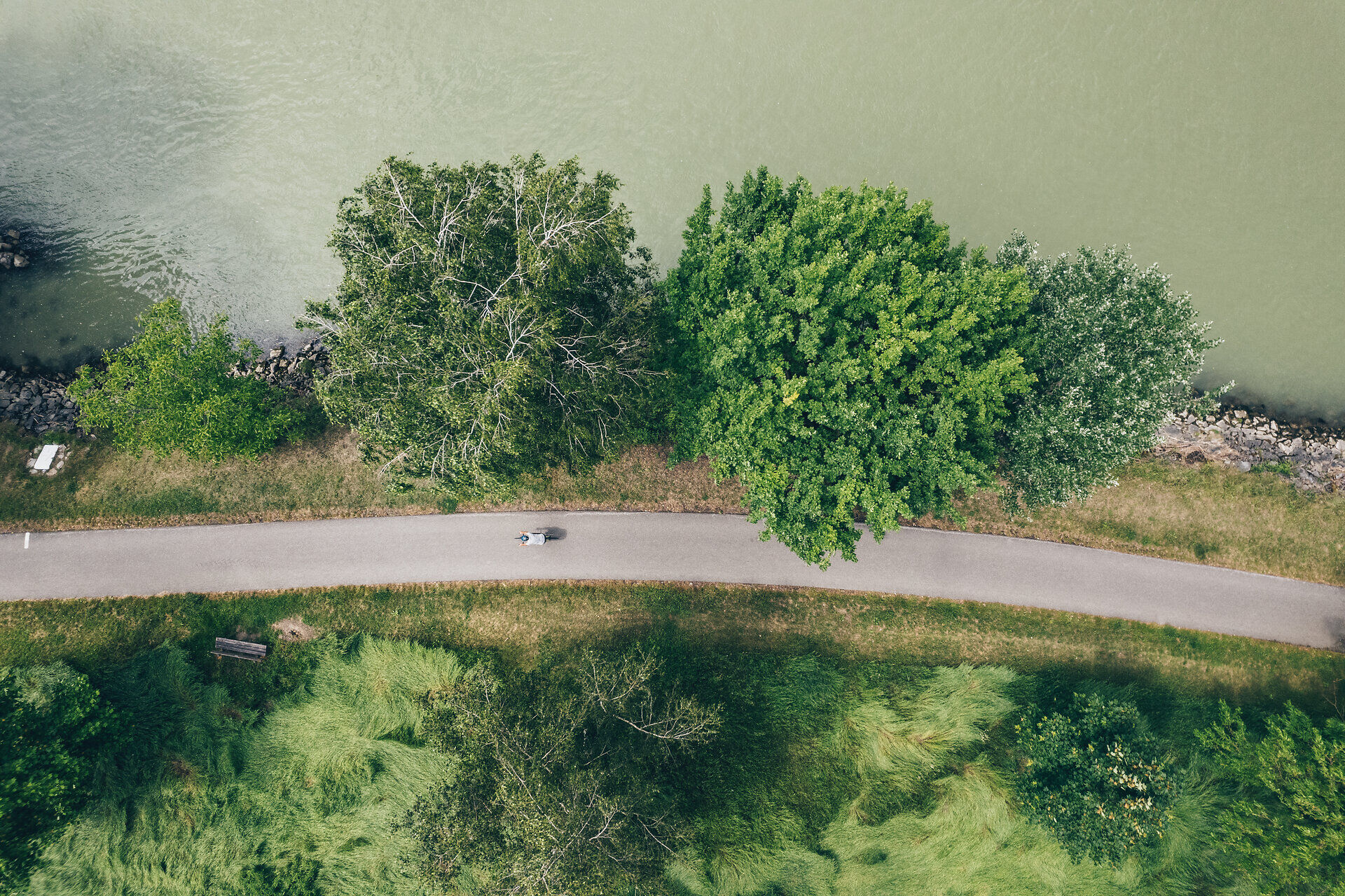
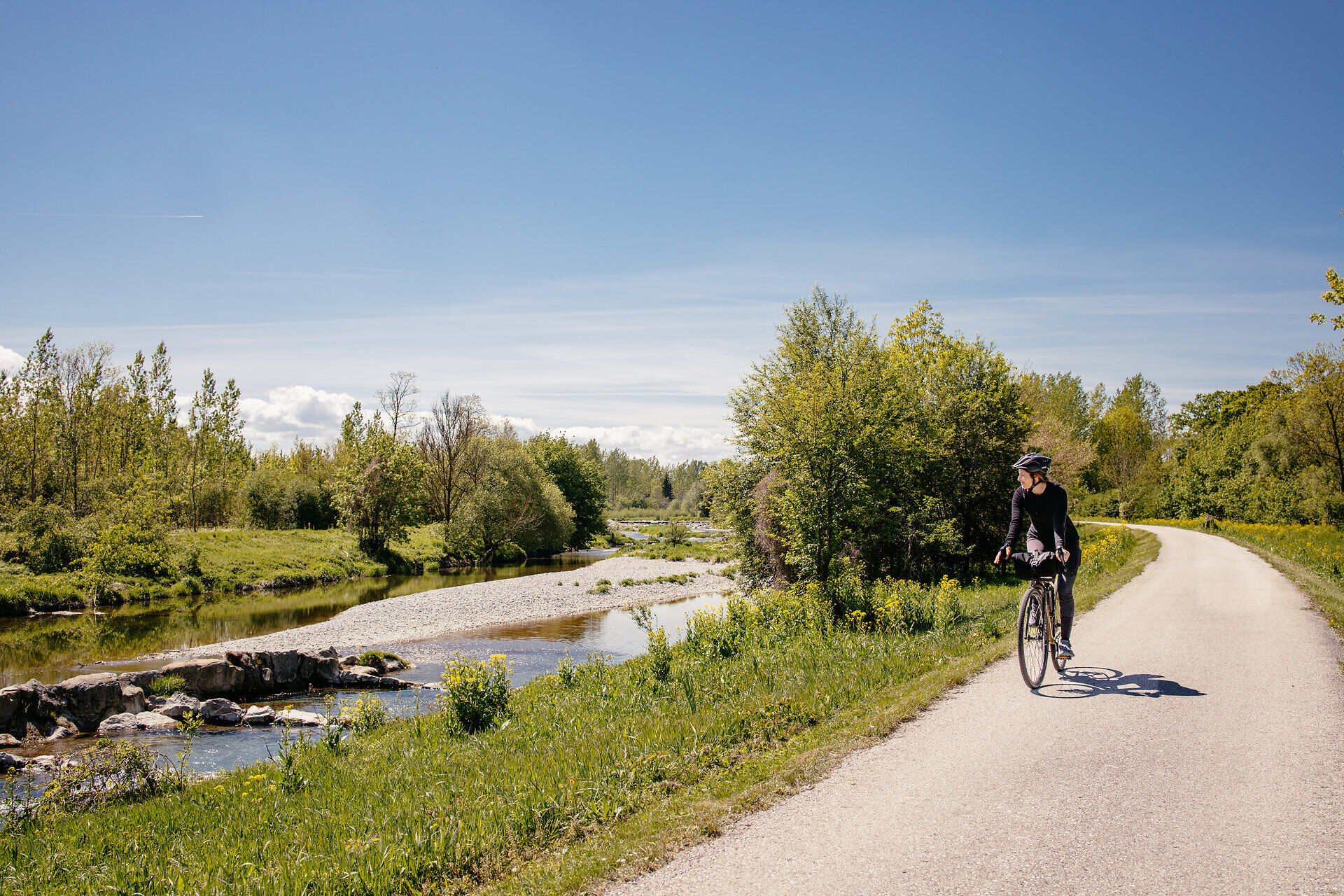
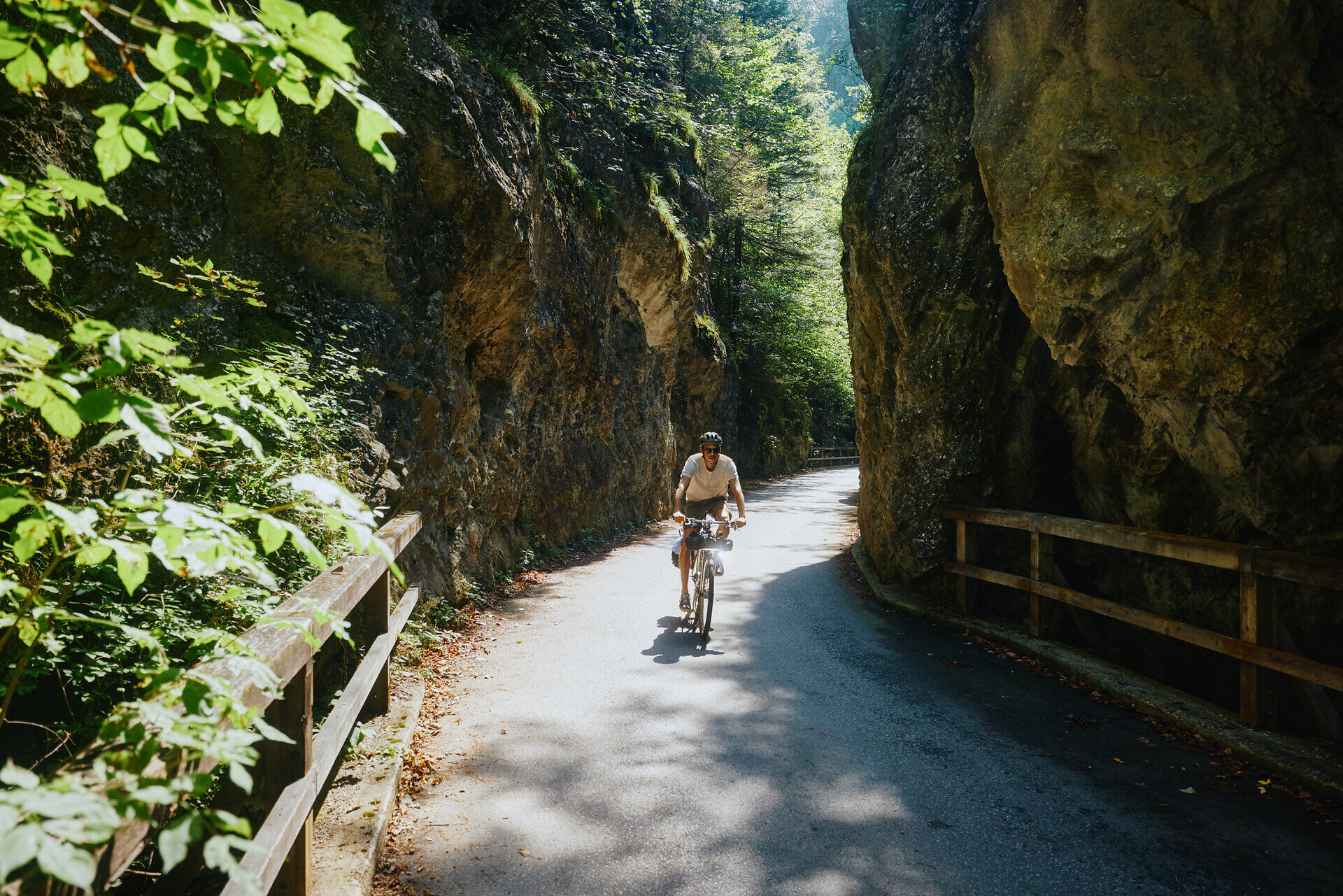
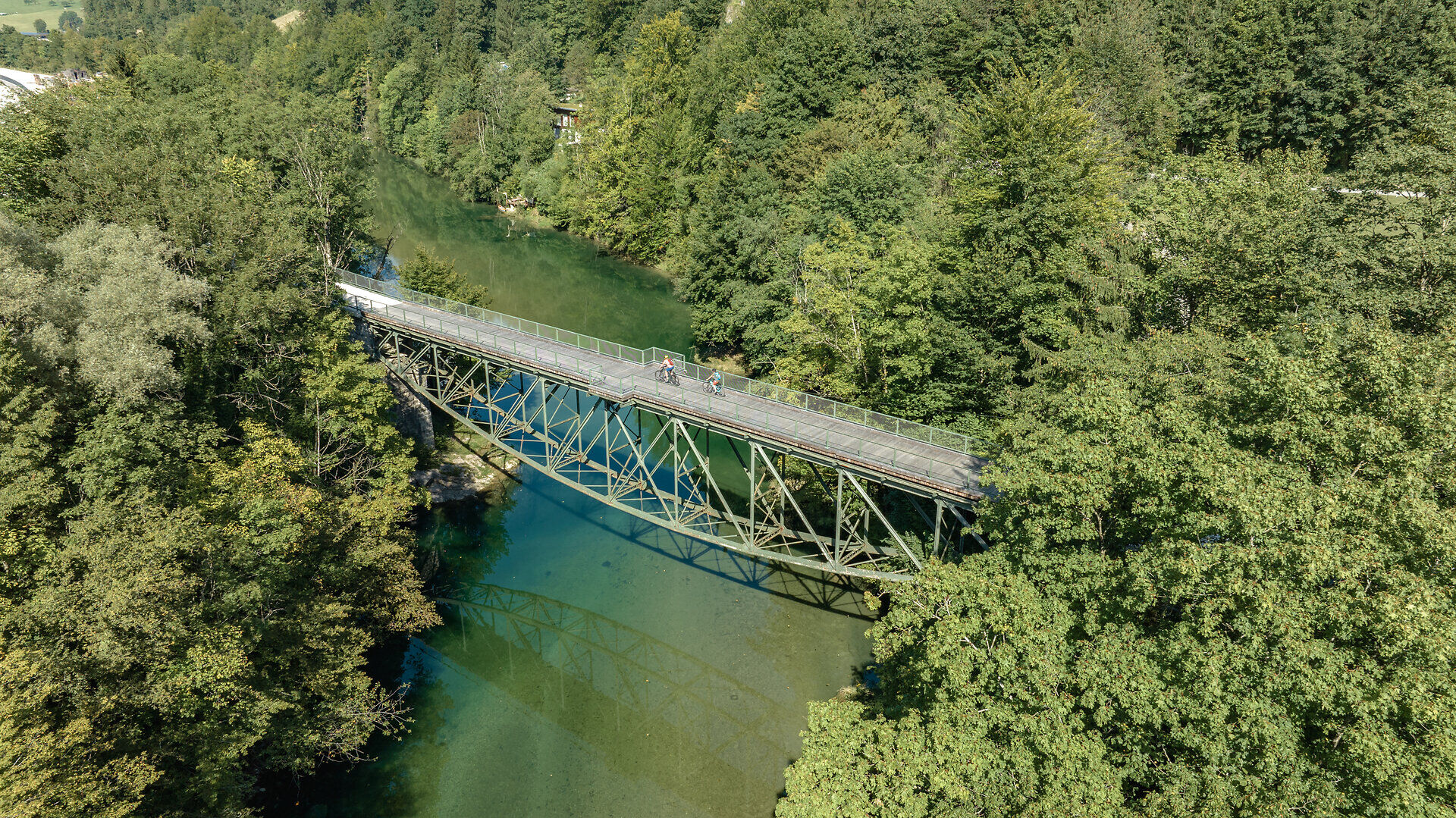
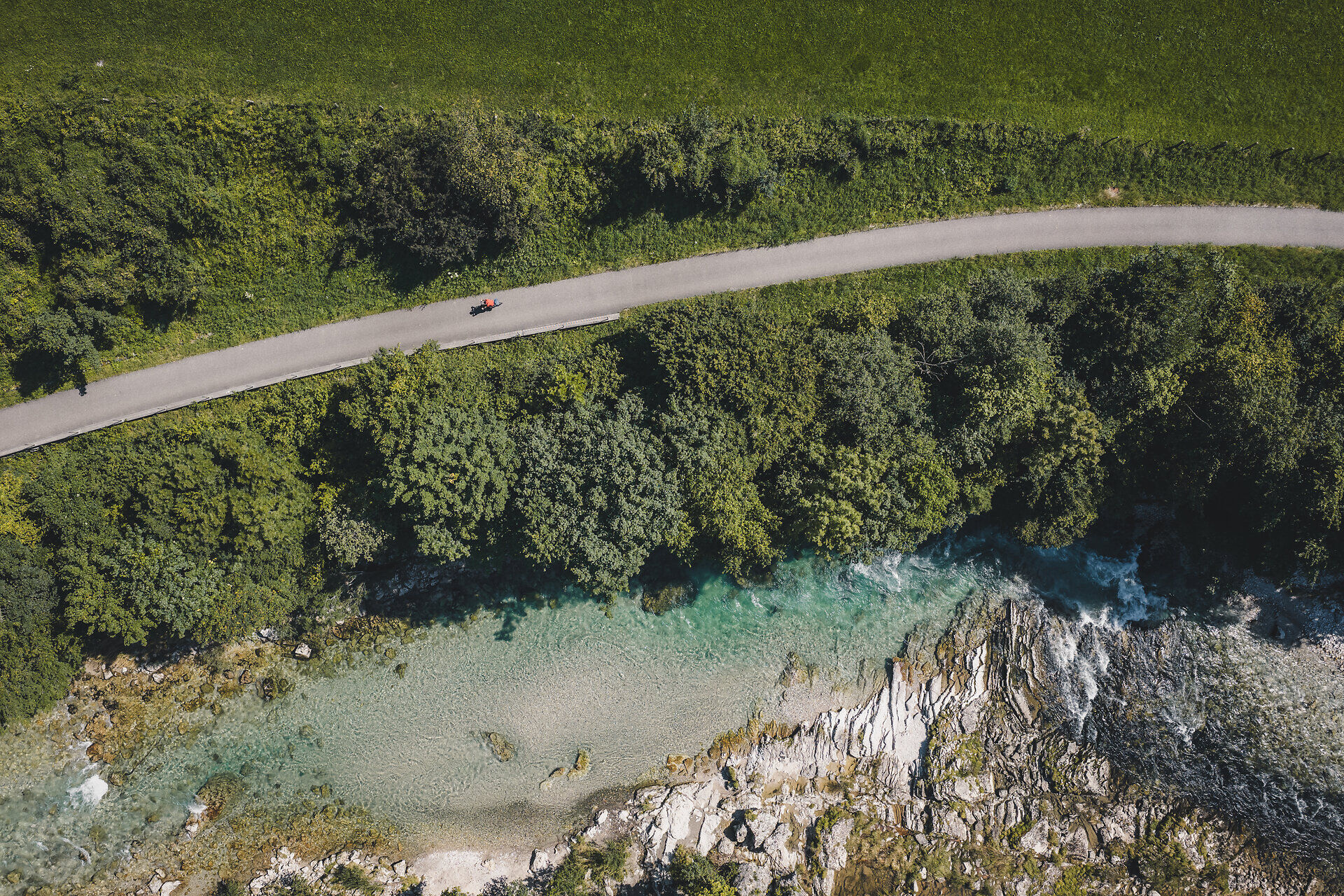
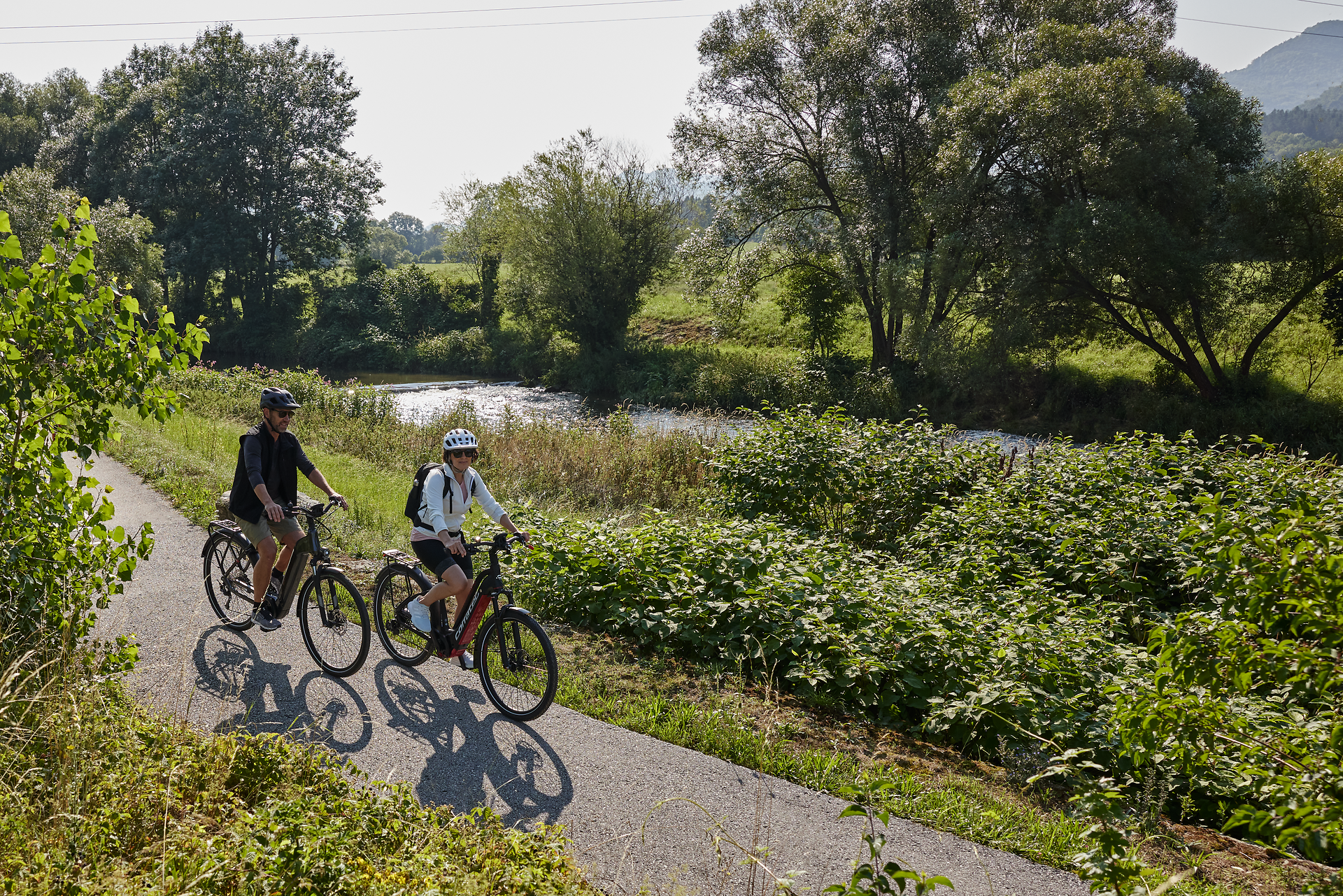
In Lower Austria, rivers are often the quiet guiding lines of the landscape. They connect wine villages, historic towns, valleys and protected areas, forming ideal corridors for cycling.

In Lower Austria, rivers are often the quiet guiding lines of the landscape. They connect wine villages, historic towns, valleys and protected areas, forming ideal corridors for cycling.
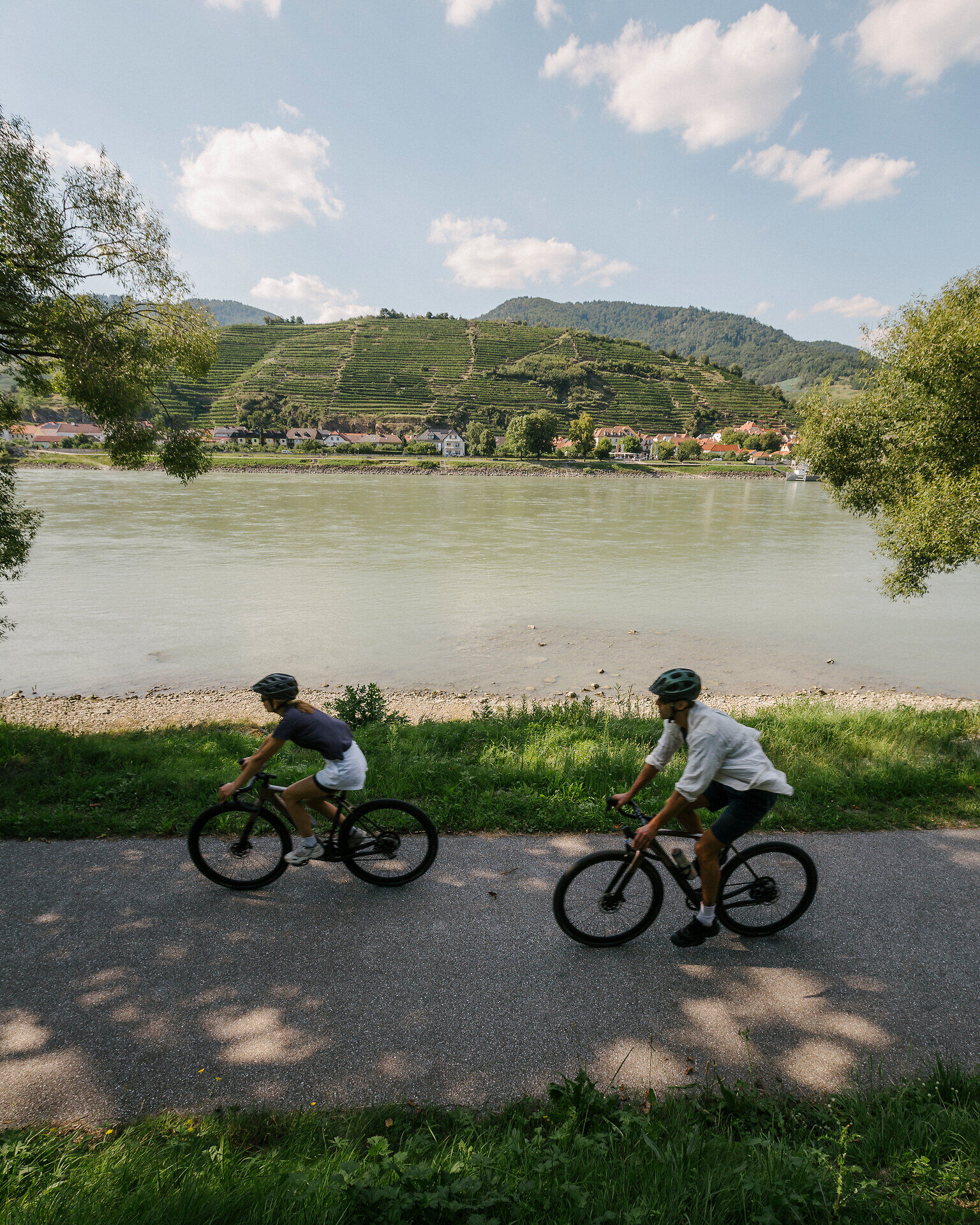
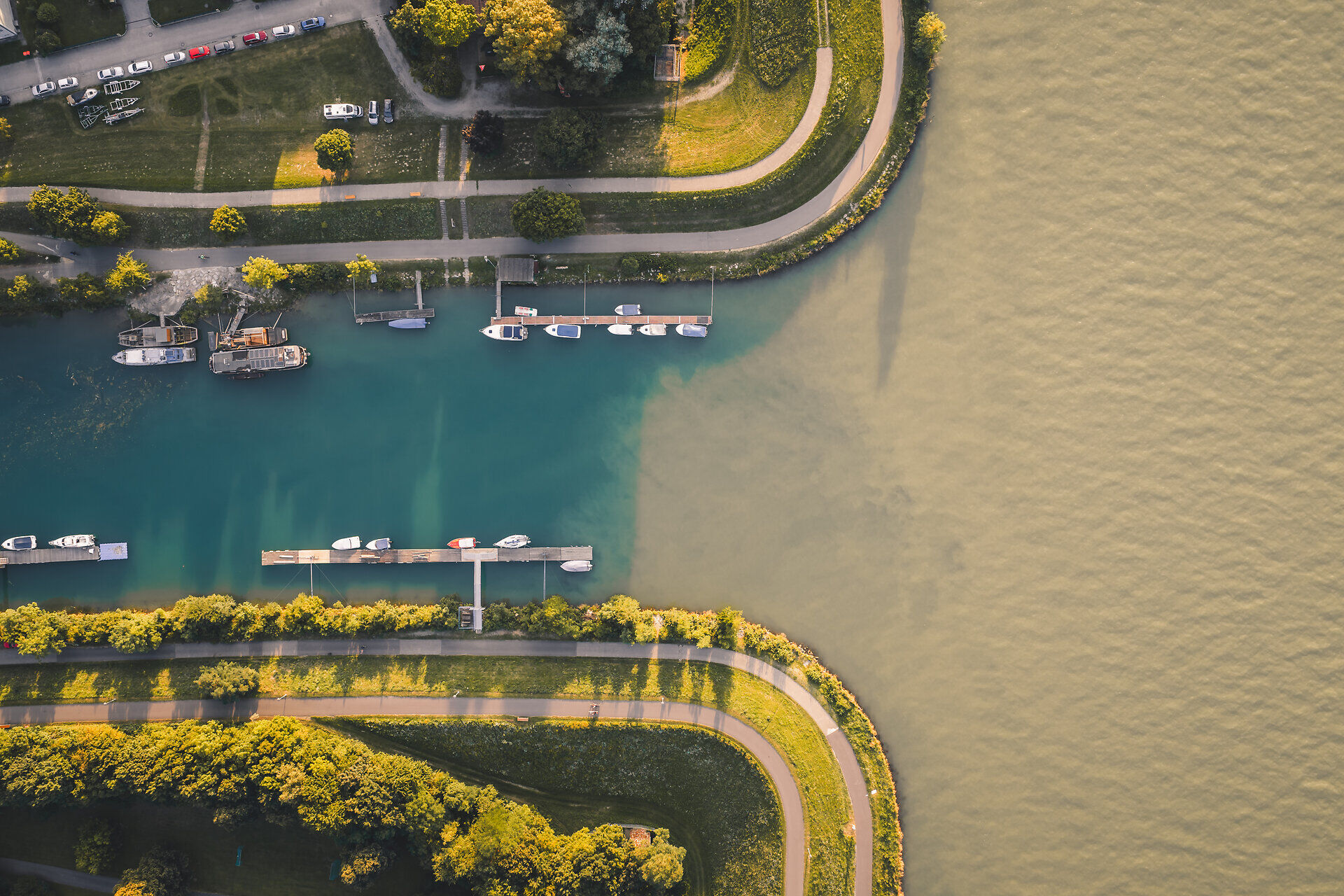
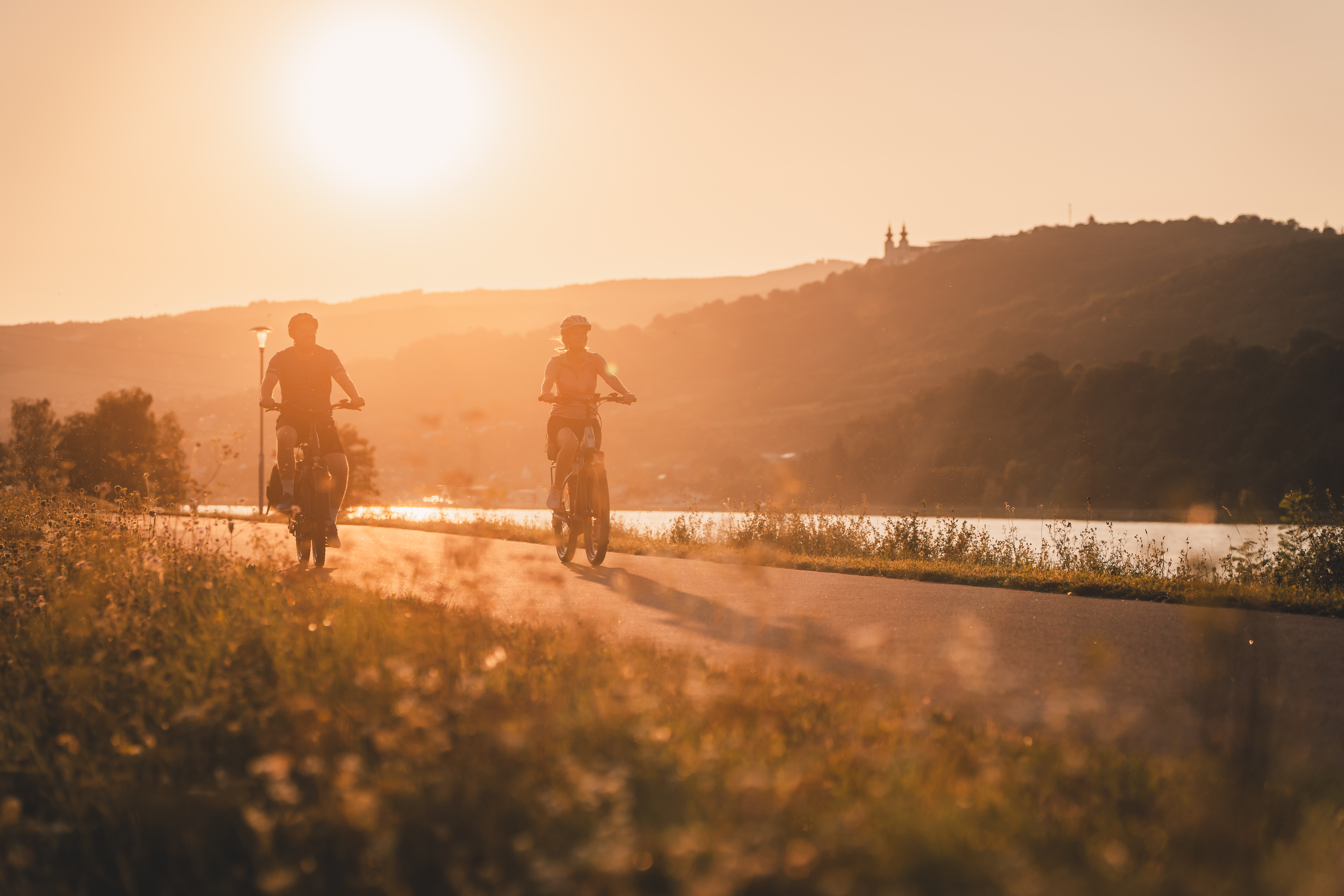
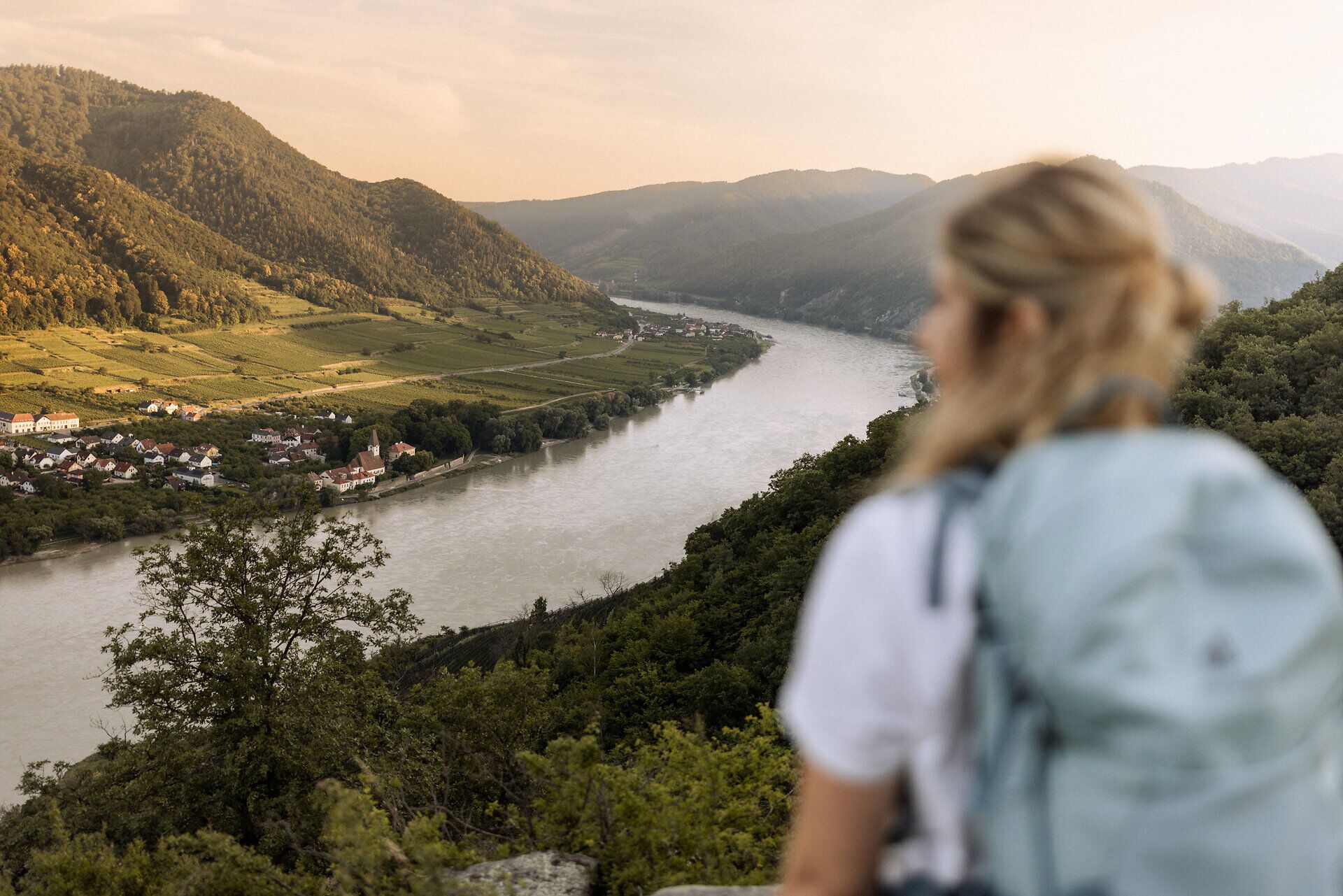
Between Melk and Krems, the Danube cycle path follows one of Europe’s most famous river valleys: the Wachau – a UNESCO World Heritage Site with apricot orchards, terraced vineyards and villages straight out of a historical postcard.
From the Weinland on the Danube to Mariazell, the Traisental cycle route accompanies the Traisen river from the wide valley floor to an alpine world with a history of pilgrimage.
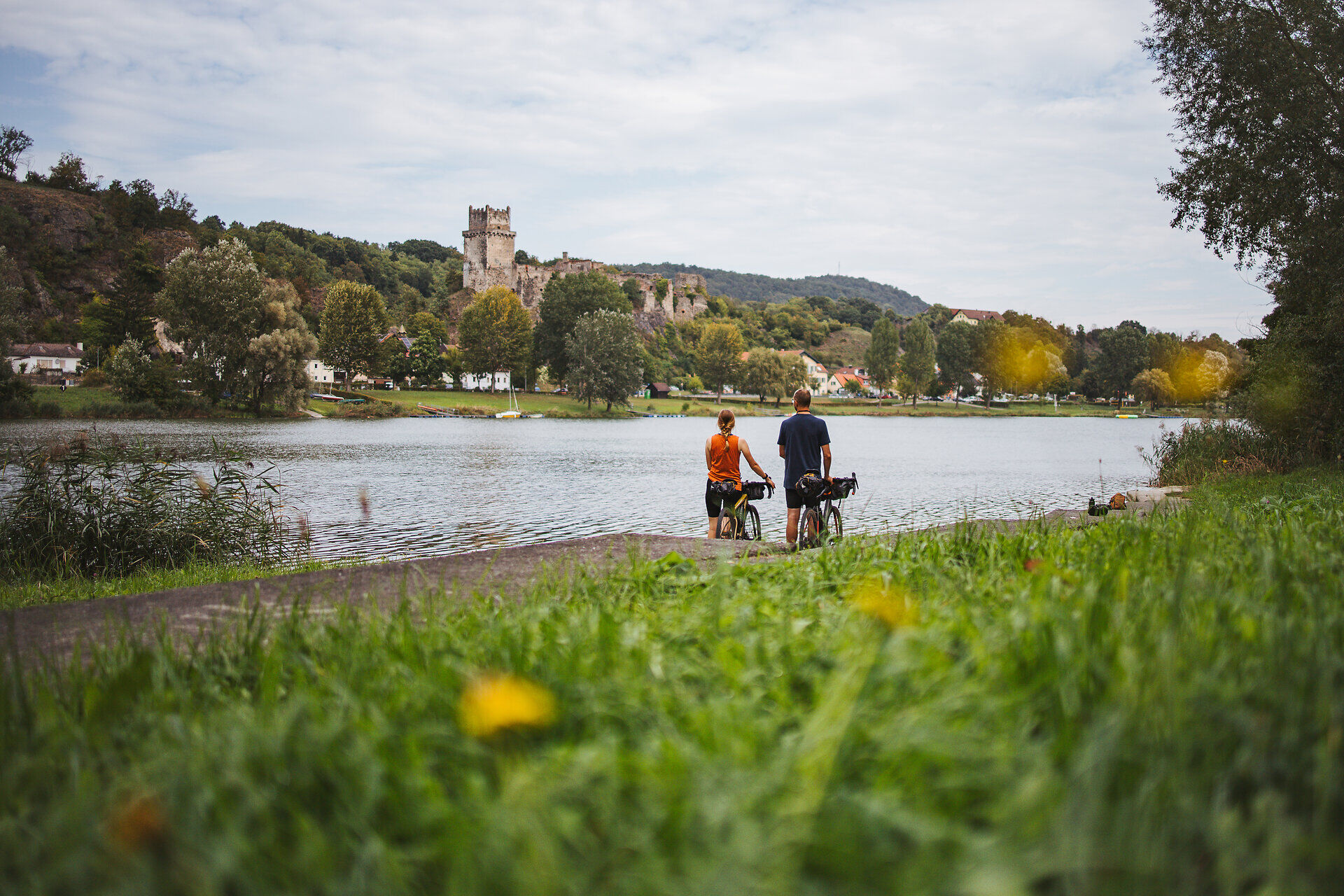
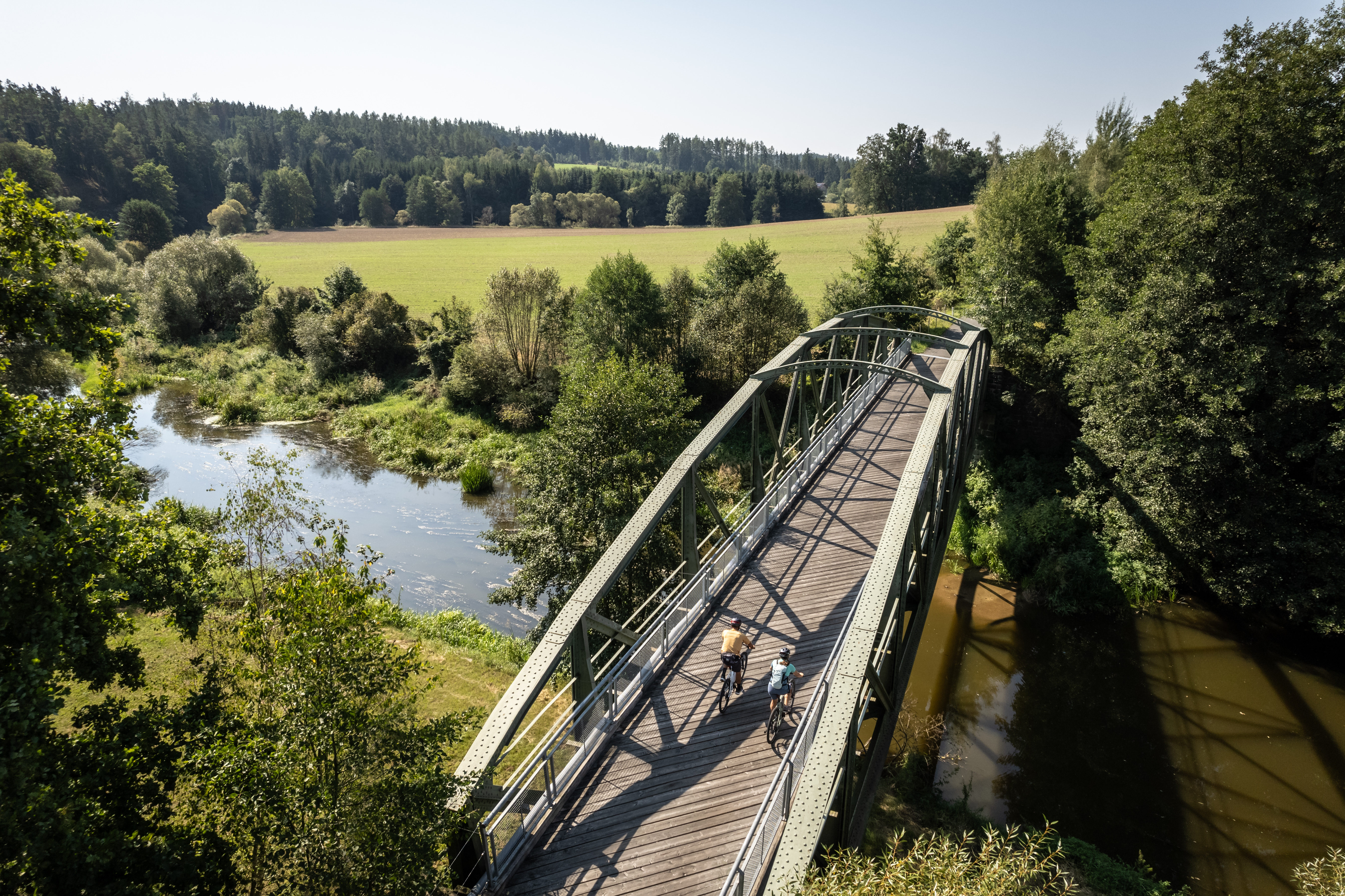
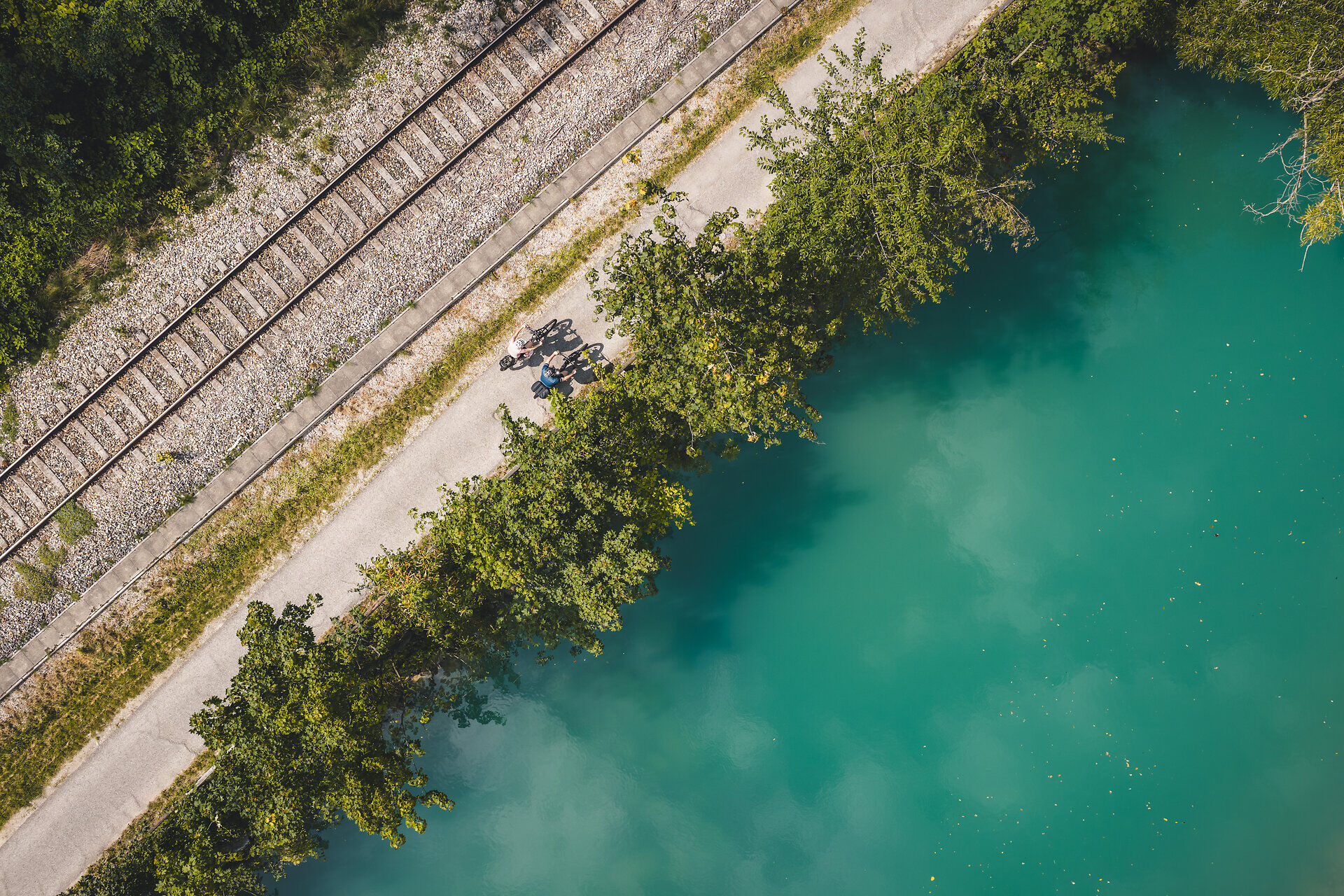
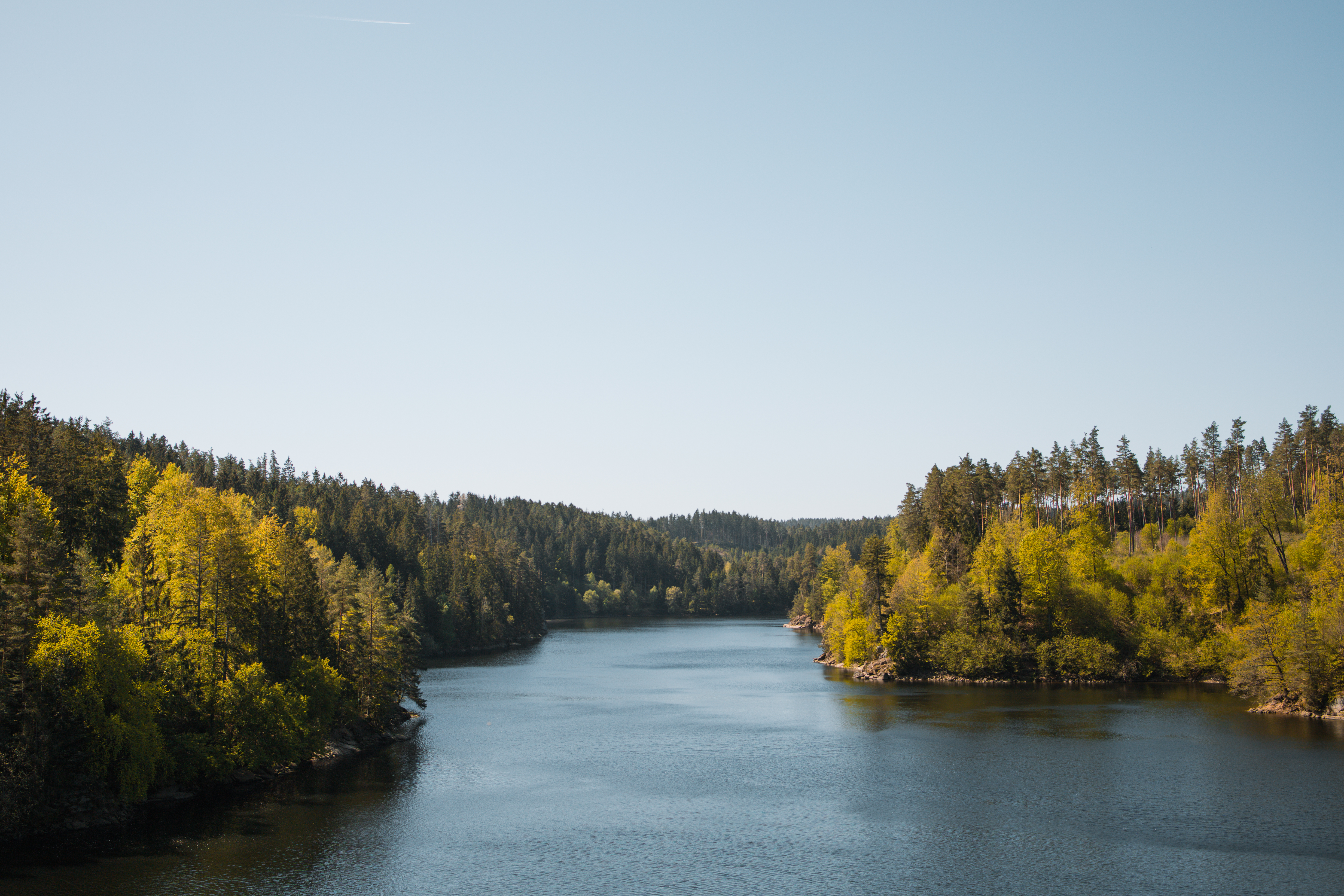
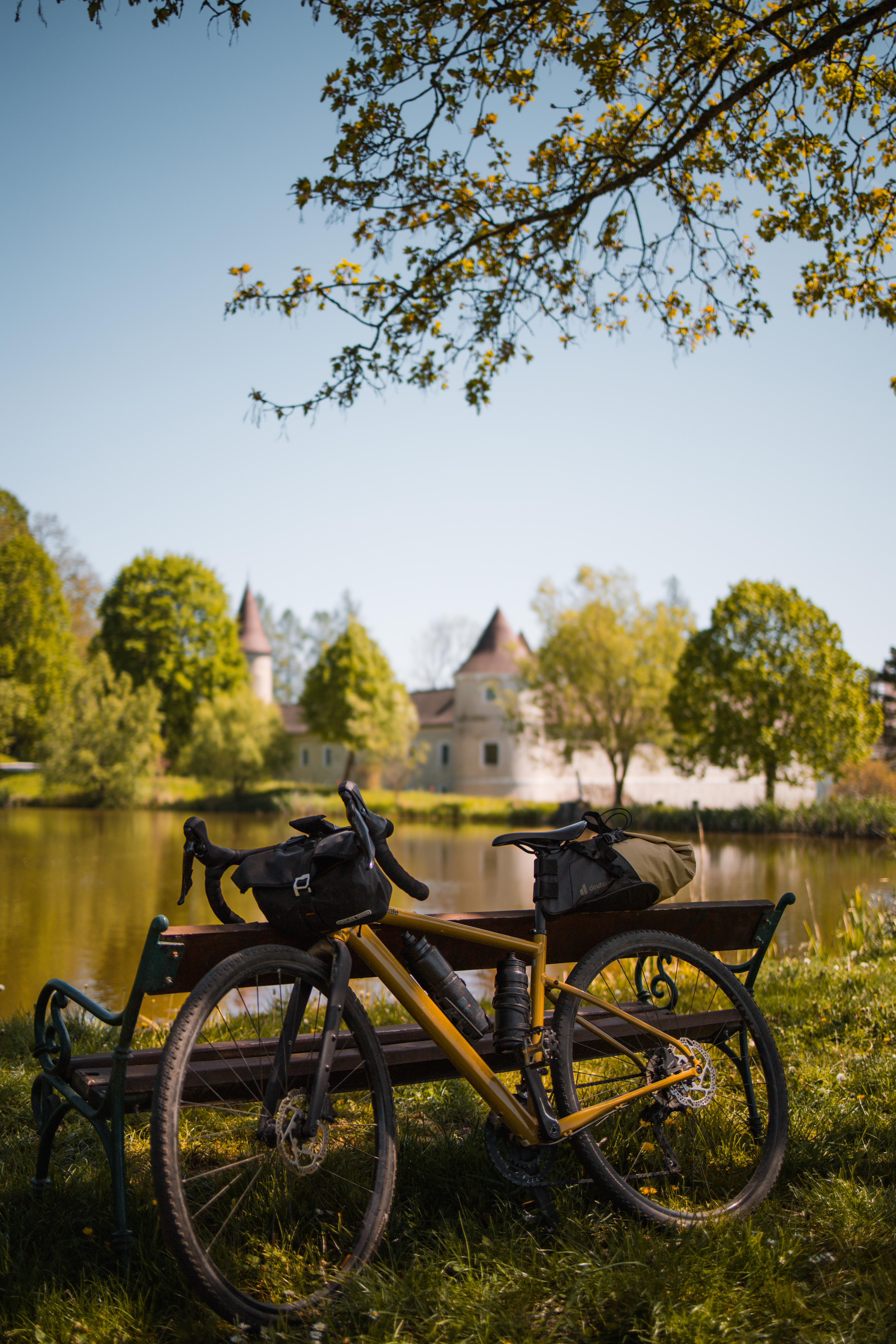
The Thayarunde stands for quiet railway line cycling in the Waldviertel: old railway lines, flat routes, small towns and lots of river scenery in the border region with the Czech Republic.
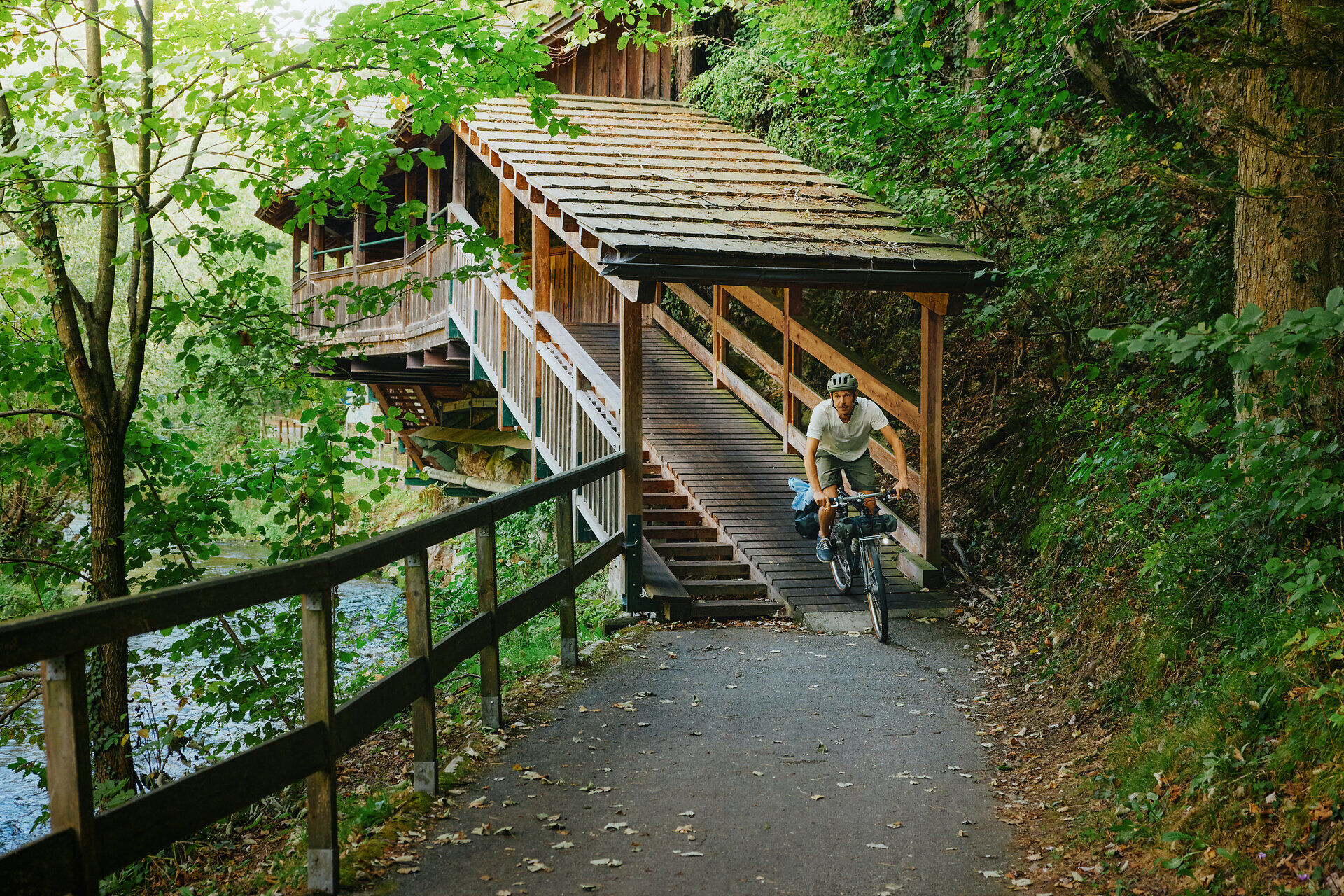
In the "Biedermeier Valley", the Piestingtal cycle path follows the Piesting river from the Vienna Alps to the Gutenstein Alps - accompanied by literary history, rock faces and shady riparian forests.
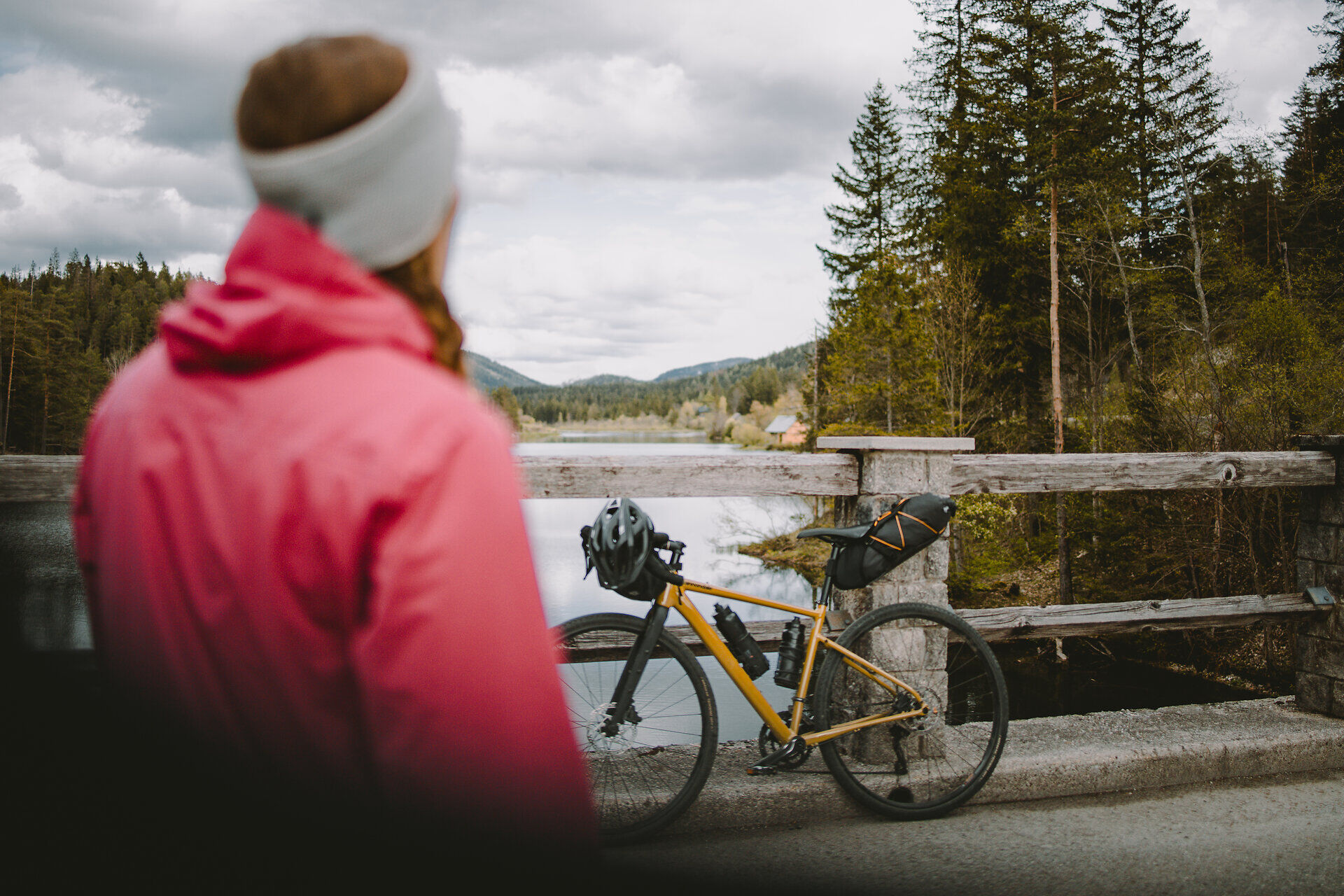
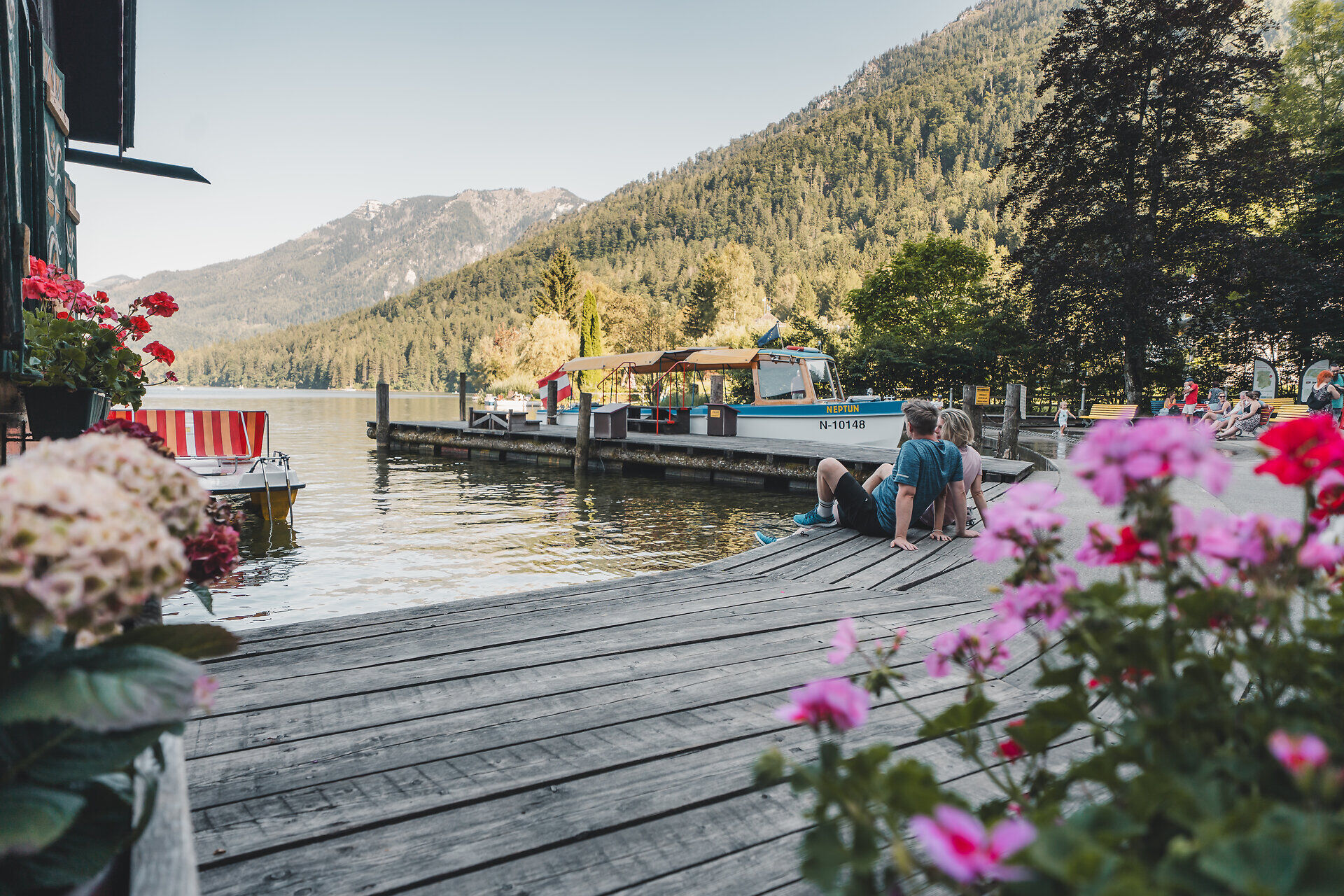
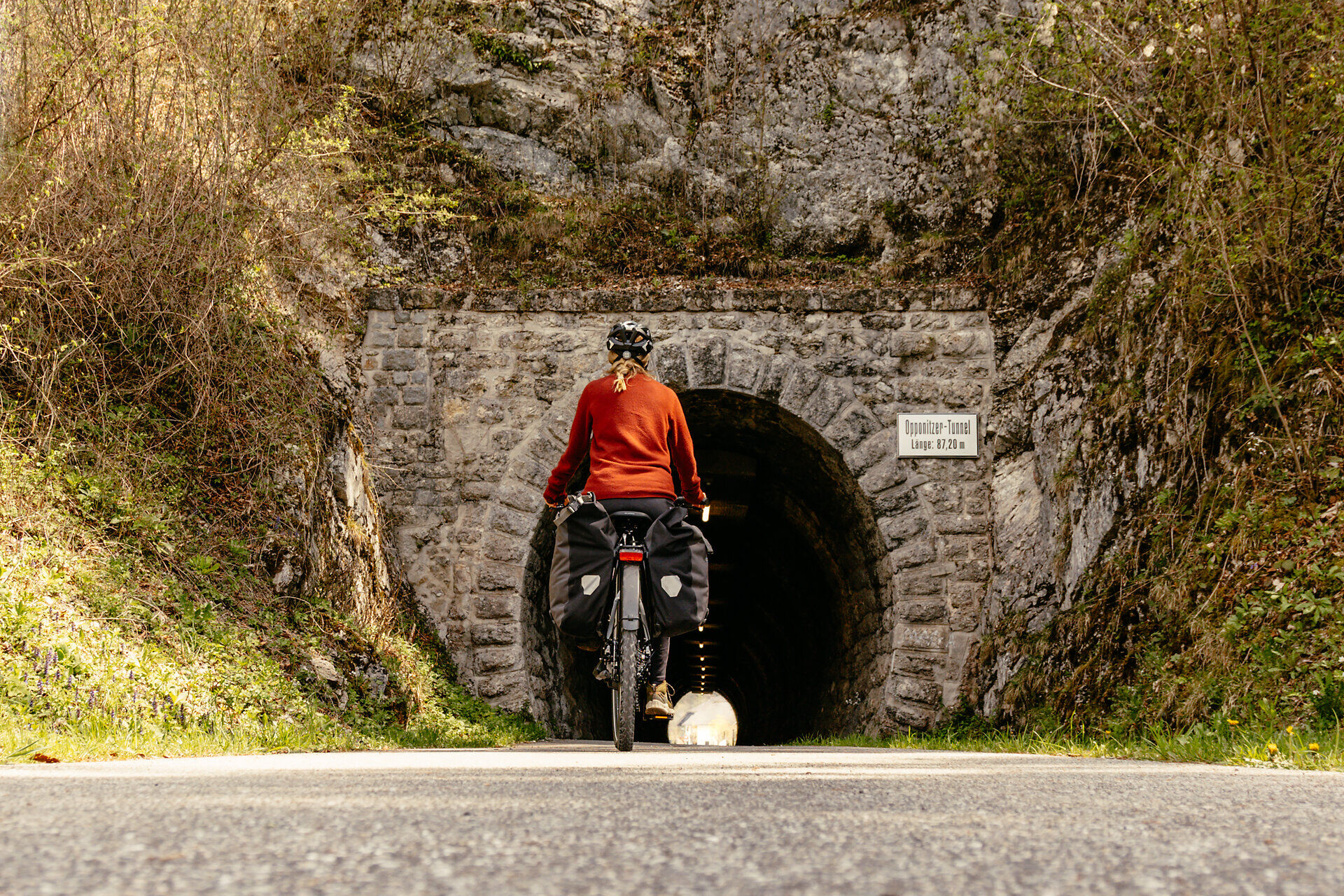
From the Danube valley to Lake Lunz, the Ybbstal cycle path combines gentle hills full of cider pear trees with alpine landscapes, former railway lines and crystal-clear bathing spots along the Ybbs.
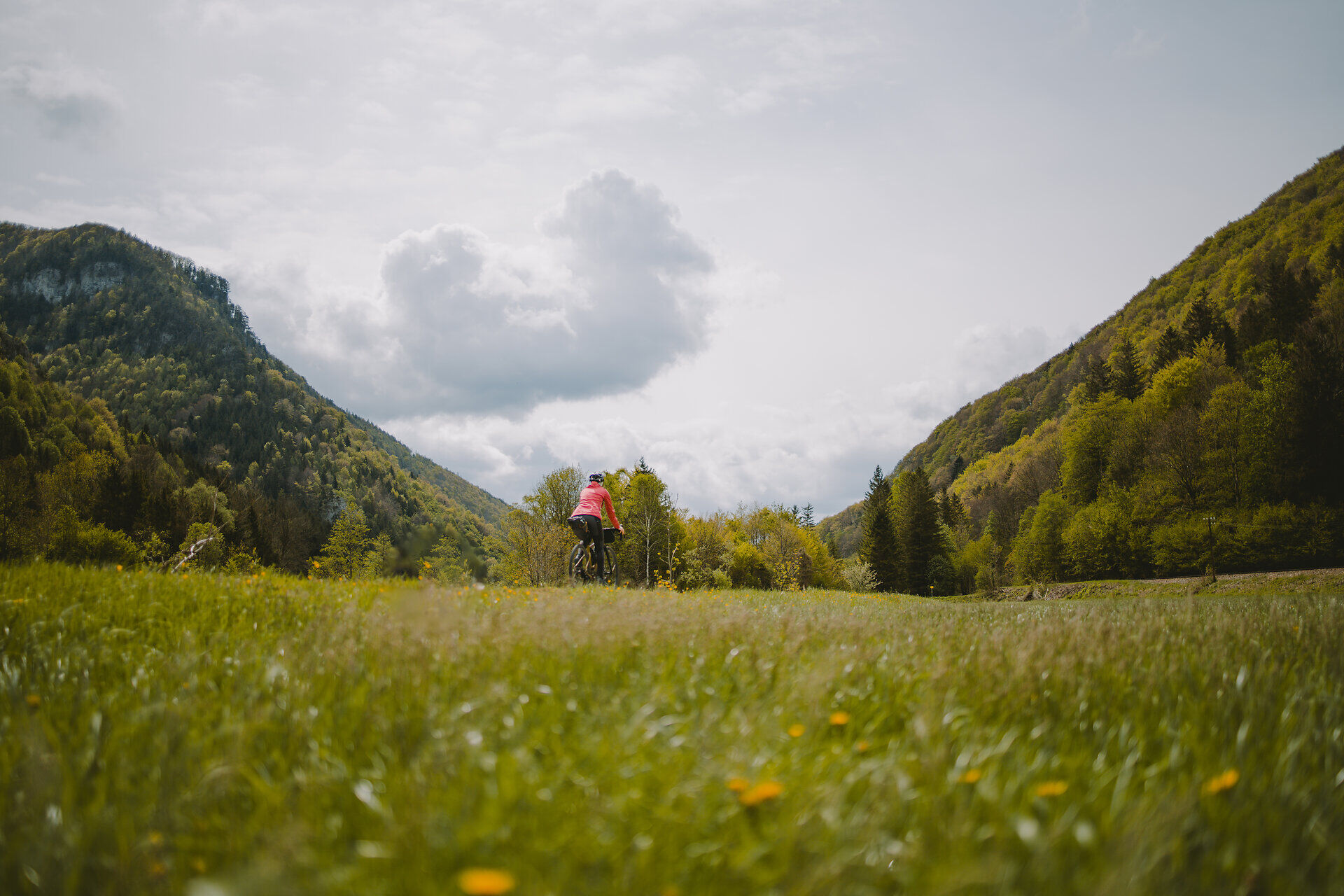
The Erlauftal cycle path leads from the Danube into a quiet river valley with gorges, tranquil villages and views of the Ötscher. Like the Ybbstal cycle path, it ends at Lake Lunz.
Between the Thermenregion Vienna Woods and Mostviertel, the Triesting-Gölsental cycle path follows two rivers from the plain into a pre-alpine landscape - with many transitions to other cycle paths.
The Kamp-Thaya-March cycle route combines the Danube, the Kamptal, Waldviertel, Weinviertel and the Marchauen into one big river tour with city walls, wine cellar lanes and meadow landscapes.