

kml_addressbase_28731
Bike route: Tree artworks Tulln
Cycling tour Starting from Donaulände Tulln
©Donau Niederösterreich - Kamptal-Wagram-Tullner Donauraum ©Donau Niederösterreich - Kamptal-Wagram-Tullner Donauraum ©Donau Niederösterreich - Kamptal-Wagram-Tullner Donauraum ©Donau Niederösterreich - Kamptal-Wagram-Tullner Donauraum ©Donau Niederösterreich - Kamptal-Wagram-Tullner Donauraum ©Donau Niederösterreich - Kamptal-Wagram-Tullner Donauraum ©Donau Niederösterreich - Kamptal-Wagram-Tullner Donauraum ©Donau Niederösterreich - Kamptal-Wagram-Tullner Donauraum ©Donau Niederösterreich - Kamptal-Wagram-Tullner Donauraum ©Donau Niederösterreich - Kamptal-Wagram-Tullner Donauraum ©Donau Niederösterreich - Kamptal-Wagram-Tullner Donauraum
- Difficulty: Easy
- Distance: 3,90 km
- Duration: 0:55 h
- Ascent: 8 m elevation gain
- Descent: 6 m elevation gain
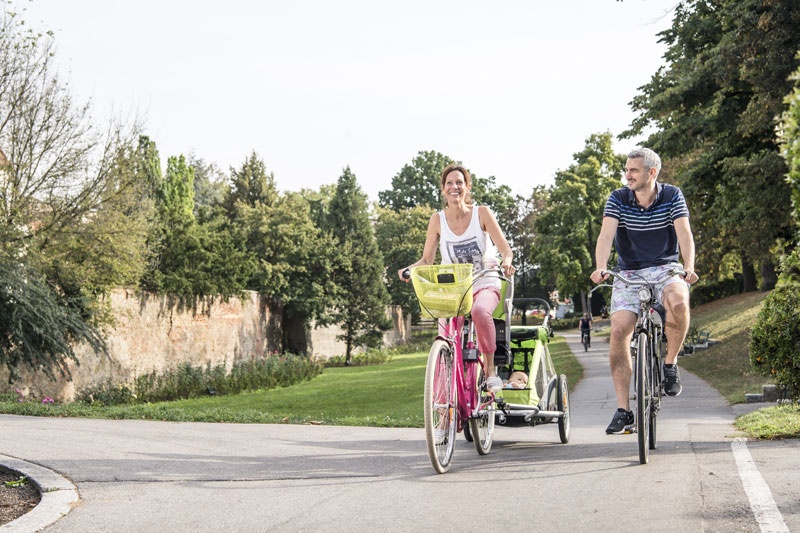
Discover the fascinating world of garden art and tree art in Tulln. Creative minds have enriched the city with unique works of art in public spaces. Every tree is a unique work of art of nature - but some specimens stand out in a special way. In the garden city of Tulln, twelve trees are currently provided with interesting information as "tree artworks". Encounter these great providers of shade on a targeted cycle tour through the city and find out what makes these trees so special!
- Starting point of the tour
- Donaulände Tulln
- Tour destination
- Schubertpark Tulln
- Difficulty: Easy
- Distance: 3,90 km
- Duration: 0:55 h
- Ascent: 8 m elevation gain
- Descent: 6 m elevation gain
- Fitness level required:1/6
- Overall experience:4/6
- Scenery:4/6
- Lowest point176 m
- Highest point180 m
- Stage tour
- Accessibility by train and bus
- Suitable for families and children
Discover the fascinating world of garden art and tree art in Tulln. Creative minds have enriched the city with unique works of art in public spaces. Every tree is a unique work of art of nature - but some specimens stand out in a special way. In the garden city of Tulln, twelve trees are currently provided with interesting information as "tree artworks". Encounter these great providers of shade on a targeted cycle tour through the city and find out what makes these trees so special!
Information on these special specimens is available on site or can be accessed online.
Let's look forward to the following tree artworks:
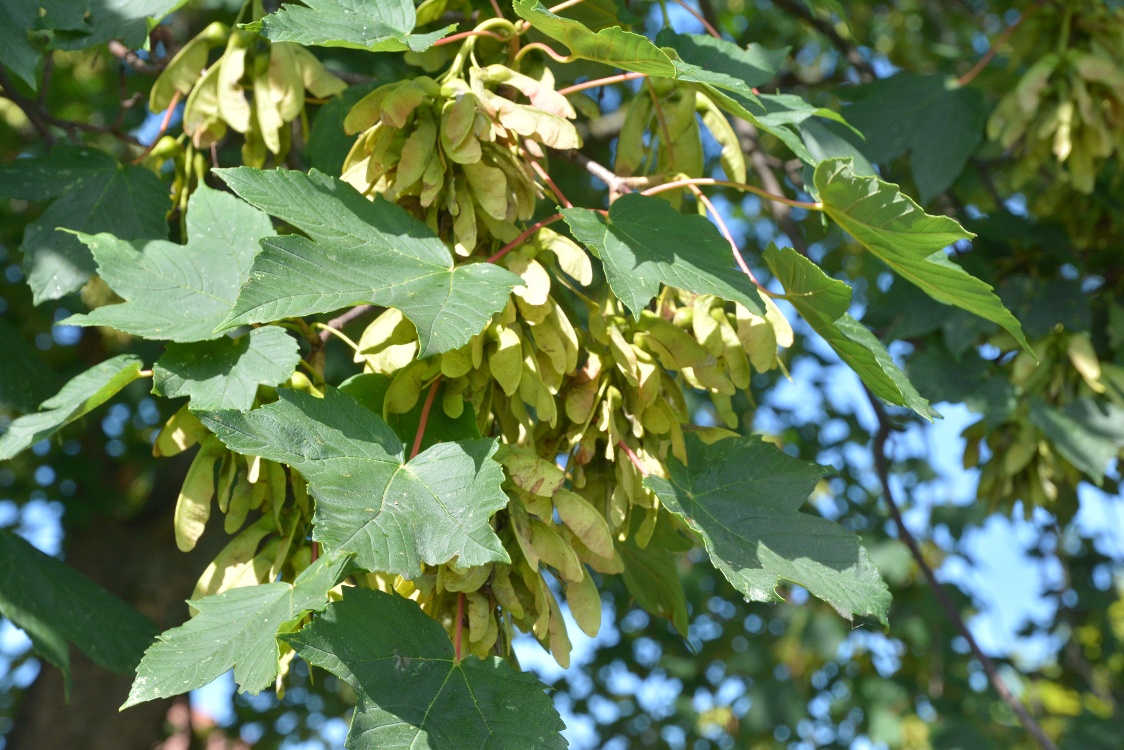
- Mountain maple: The mountain maple is a plant species from the maple genus. It is widespread in Europe and is an important representative of its genus both as a park tree and in forestry.
Donaulände at Nibelungenbrunnen - waypoint B - Primeval sequoia: also known as Chinese redwood, metasequoia or water fir, was already considered extinct when a living specimen was discovered in an inaccessible mountain region in Sichuan province in China in 1941 - a botanical sensation.
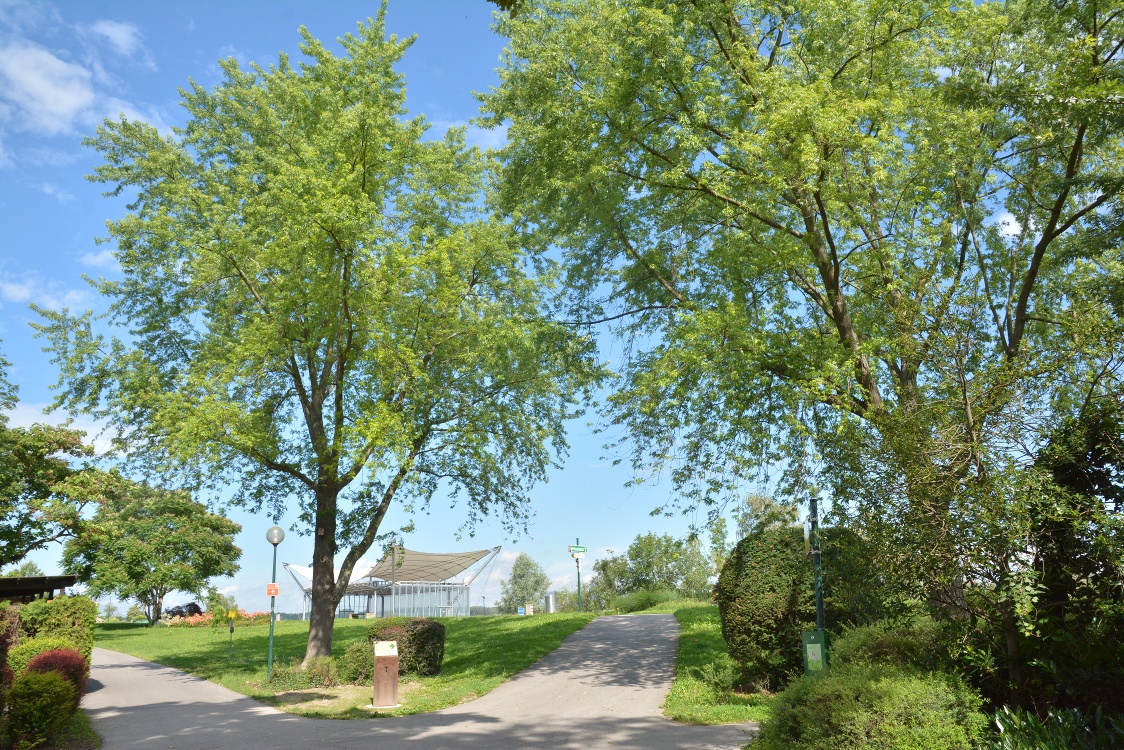
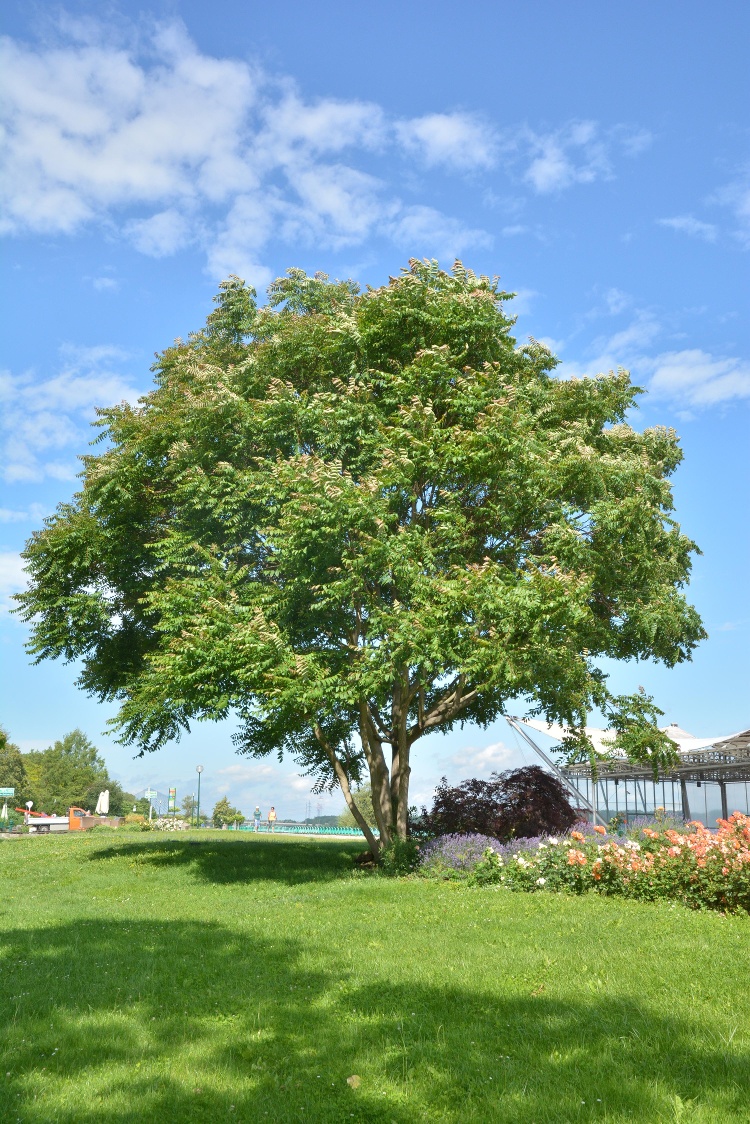
Donaulände near the Danube fountain - waypoint C - Tree of God: The tree of God is a deciduous tree species and was originally native to China and Vietnam. It is now found in all areas of the world with a temperate climate.
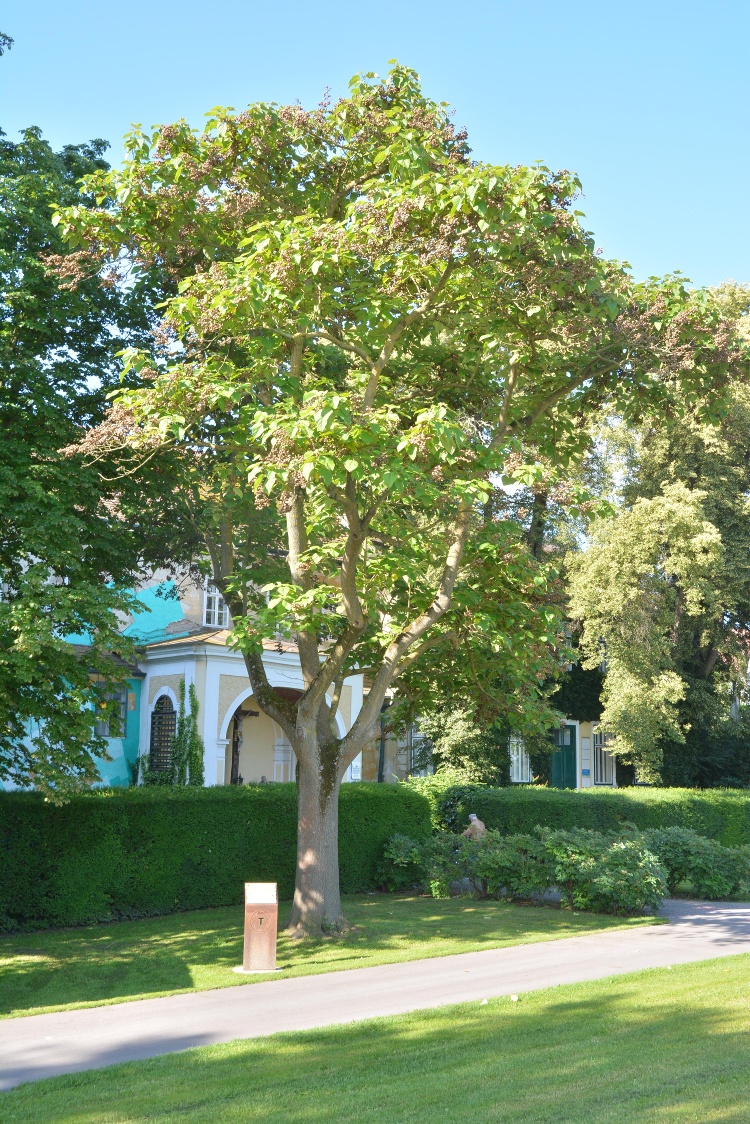
Donaulände at the Egon Schiele Museum/Donaubühne - Waypoint F - Bluebell tree: The bluebell tree, also known as the emperor tree or emperor paulownia, is a plant species from the genus Paulownia in the labiate family.
Donaulände level with the water chapel - waypoint G - Silver maple: The silver maple is a plant species from the maple genus. It is native to eastern North America. Donaulände at Römerturm level - waypoint H
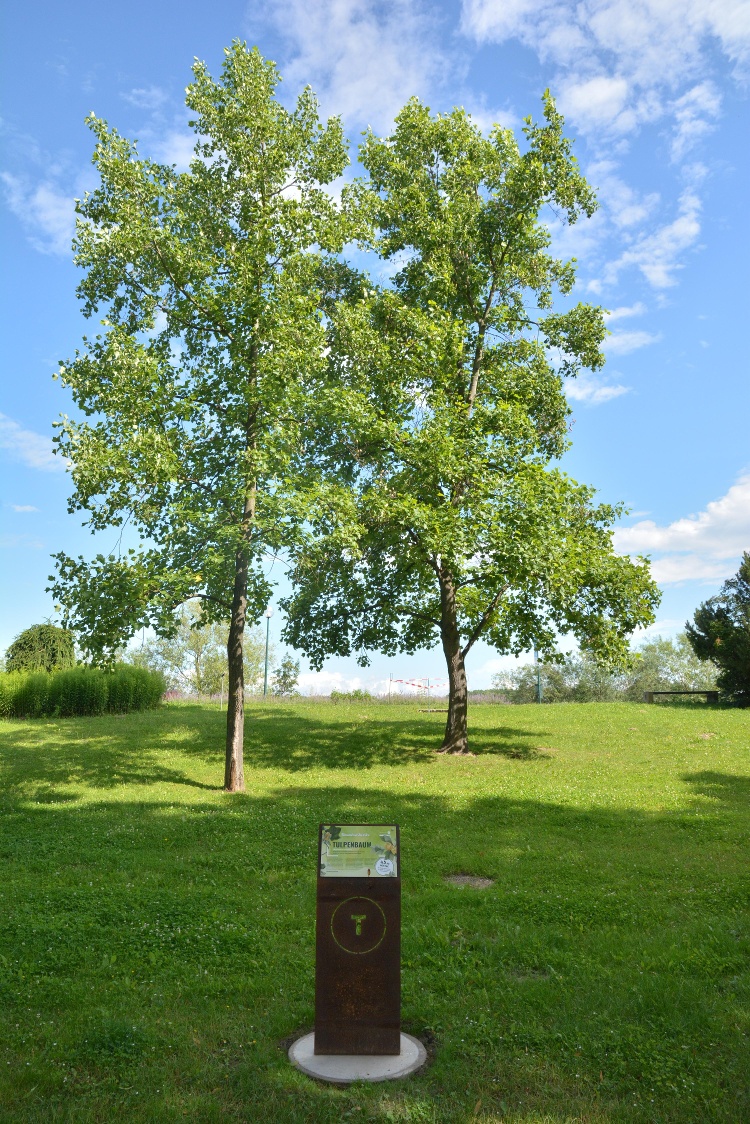
- Tulip tree: The tulip tree is originally native to eastern North America and belongs to the magnolia family.
Donaulände between Römerturm- Mark Aurel statue - waypoint J - Cinnamon maple: The cinnamon maple belongs to the soap tree family (Sapindaceae). It is originally native to China, but can also be cultivated well in this country. The first plants came to England in 1902.
Leisure park waypoint N - Oak: The oak plant genus includes around 400 different species. They are found in all parts of the northern hemisphere.
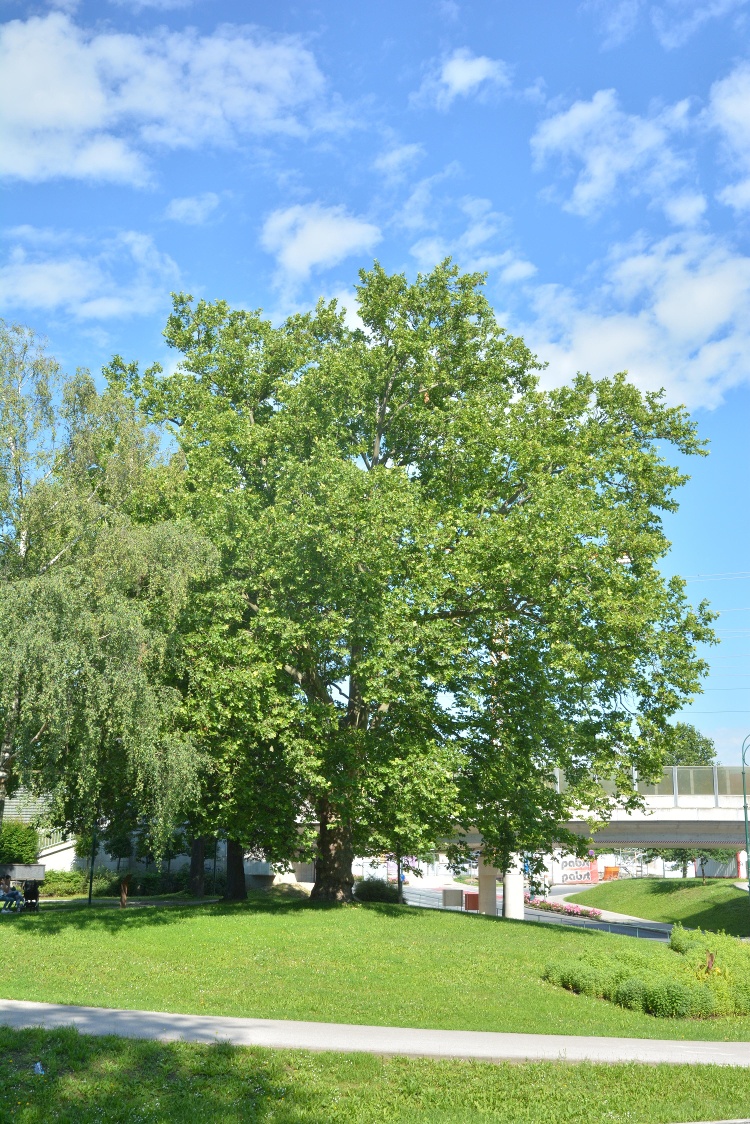
Wilhelmstrasse - Waypoint W - Maple-leaved plane tree: The maple-leaved plane tree, also known as the bastard plane tree, common plane tree, hybrid plane tree or London plane tree, is a hybrid of the plane tree genus.
Bridge Road - Waypoint C2 - Lime tree: The lime tree genus includes around 40 different species, three of which are native to Europe: summer lime, winter lime and silver lime.
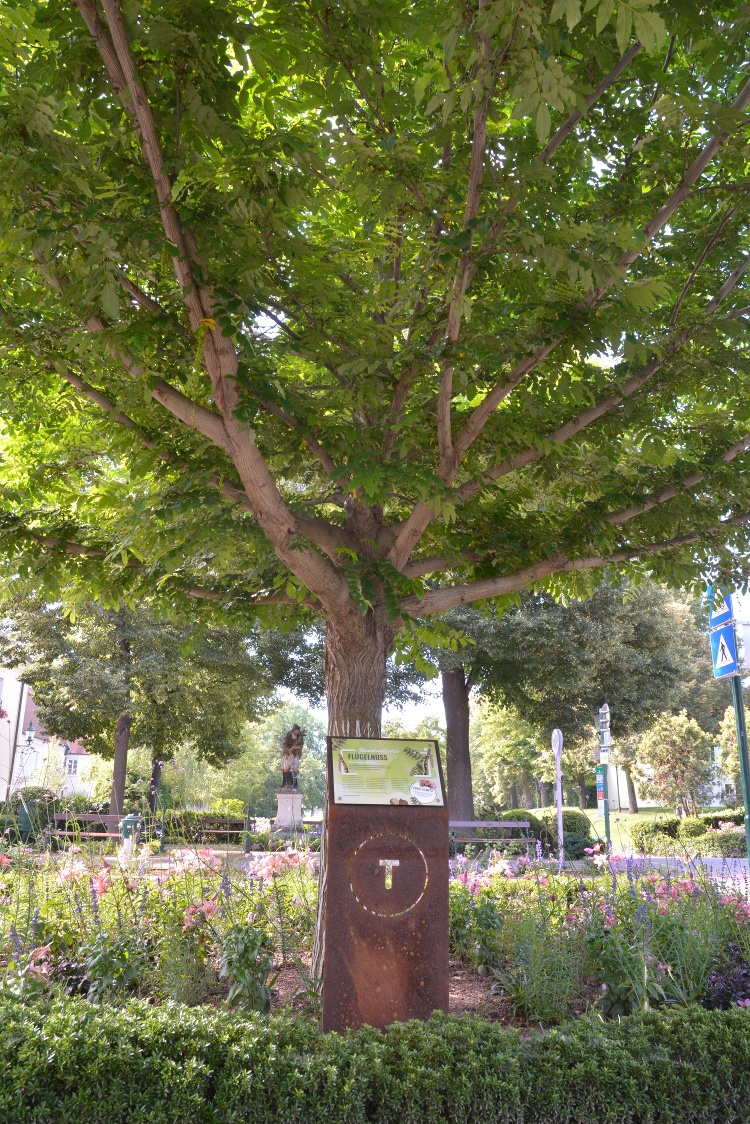
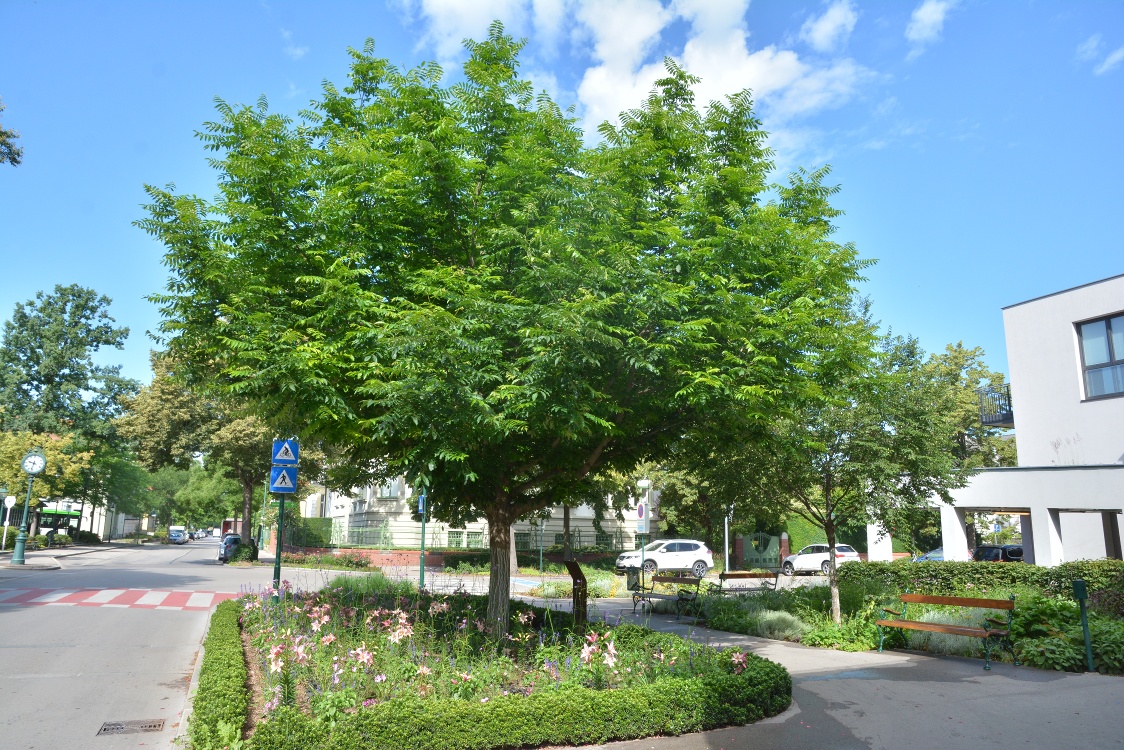
Wienerstrasse - waypoint G2 - Wingnut: The wingnut is a plant genus in the walnut family. The genus includes six deciduous tree species that are native to Asia.
Rudolf-Buchinger-Straße - waypoint J2 - English oak: The English oak, also known as the summer oak or German oak, is a plant species of the oak genus in the beech family.
Schubertpark - waypoint N2
All information about the tree art trail and its special features can be found on the website of the municipality of Tulln.
Emergency rescue: 144, EU emergency number: 112, police emergency: 133, SMS emergency for the hearing-impaired: 0800 133 133;
Explore the tree art route with your own bike or visit the e-bike rental at the Tulln tourism information.
Sturdy shoes, rain protection, sun protection, bike helmet
Brochures or a Tulln old town guideWe start the tree art route at the beautiful Donaulände - Tulln's most beautiful public garden. Before we start along the river, we pass the newly designed Nibelungenplatz. "The place for everyone," is especially the scene for a diverse program in summer & autumn. Play, cool down, or fancy a snack at HANS WURST?
The first main characters of the themed route are only a few meters from the Nibelungen monument. The ancient giant sequoia (WP: B, Donaulände) and the mountain maple (WP: C, Donaulände). Further along the Donaulände, you will discover the tree of heaven (WP: F, Donaulände) opposite the Egon Schiele Museum / Donaubühne, the empress tree (WP: G, Donaulände) in front of the water chapel, as well as the silver maple (WP: H - Donaulände) opposite the Roman tower. Downstream between the Roman tower and the impressive Marcus Aurelius statue is the tulip tree (WP: J, Donaulände). Our path leads us past the DonauSplash indoor swimming pool. In the middle of the leisure park, the cinnamon maple (WP: N, leisure park) was planted in honor of the 137 Tulln babies of 2020. Back at the Donaulände, we take the paved descent under the railway bridge. Now we follow the road layout of Franz-Zant-Allee and cross the pedestrian crossing into Wilhelmstraße to the large oak (WP: W, Wilhelmstraße). We leave Wilhelmstraße towards the war memorial, in front of which we find the sycamore maple (WP: C2 - Brückenstraße).
To reach the large linden tree on Wiener Straße, we cross Wilhelmstraße and travel along Karnergasse to Kirchengasse. The large linden (WP: G2, Wiener Straße) towers magnificently in front of the parish church of St. Stephan and the Tulln Karner. We then follow Wiener Straße back towards the main square and come to the last tree artworks, the wingnut (WP: J2, Rudolf-Buchinger-Straße) as well as at the end of Schubertpark the pedunculate oak (WP: N2, Schubertpark).
The city center is ideal for guests who want to conclude this trip with culinary delights. Countless restaurants are located at the immediate main square. The city center invites you to stroll, eat ice cream, or visit the local NASCHMARKT.
- Paid parking areas near the city center
- In the parking garages of Tulln city center
Please observe the current regulations for parking management by the city of Tulln (e.g., adherence to short-term parking zones)
Arrival by car
- From Vienna via the Donauuferautobahn A22 and continue on the highway towards Tulln or via Riederberg on the B1
- From Krems via the Kremser Schnellstraße S5
- From the north via the B19 or the Kremser Schnellstraße S5
- From the south via the Außenring-Autobahn A21, exit Altlengbach
- From the west via the Westautobahn A1, at the St. Pölten junction onto Schnellstraße S5
More info on arriving in the garden city of Tulln.
By train, bus or rental bike to Tulln
Experience: DIE GARTEN TULLN, Nibelungenplatz, Egon Schiele Museum, House of Digitalization, Aubad Tulln
Dine:Braugasthof Adlerbräu, Gasthaus zum Goldenen Schiff, Taverne², Flohs Donaugartl
Stay overnight:Best Western Tulln, Braugasthof Adlerbräu, Nibelungenhof, Donaupark Camping Tulln
Recommended period
J
F
M
A
M
J
J
A
S
O
N
D
www.tullnerdonauraum.com,
Details about the tree artworks: Tulln.erleben
The team at the Tulln Tourism Info is available by phone at (T) +43 2272 67566.
Letzte Änderung: 15 Apr 2026