


Away from the beaten track, St. Pölten has some real insider tips: Those interested in architecture should visit the Flederhaus - a spectacular wooden building that fascinates as a vantage point and design object. A quiet retreat is the Alumnatsgarten, the former Franciscan monastery garden in the centre of the baroque old town. A special place for culture fans is the Sonnenpark - a green oasis with a community garden, art projects and cultural events.
Baroque backdrops, a young pulse and room for ideas
St. Pölten is Austria's youngest provincial capital - and at the same time one of the oldest cities in the country. Archaeological finds from Roman times around the cathedral square are a reminder of these roots to this day, while the city has long since matured into a lively centre between past and present. Located just half an hour west of Vienna, the city on the Traisen river has an atmosphere that is both inspiring and relaxing.
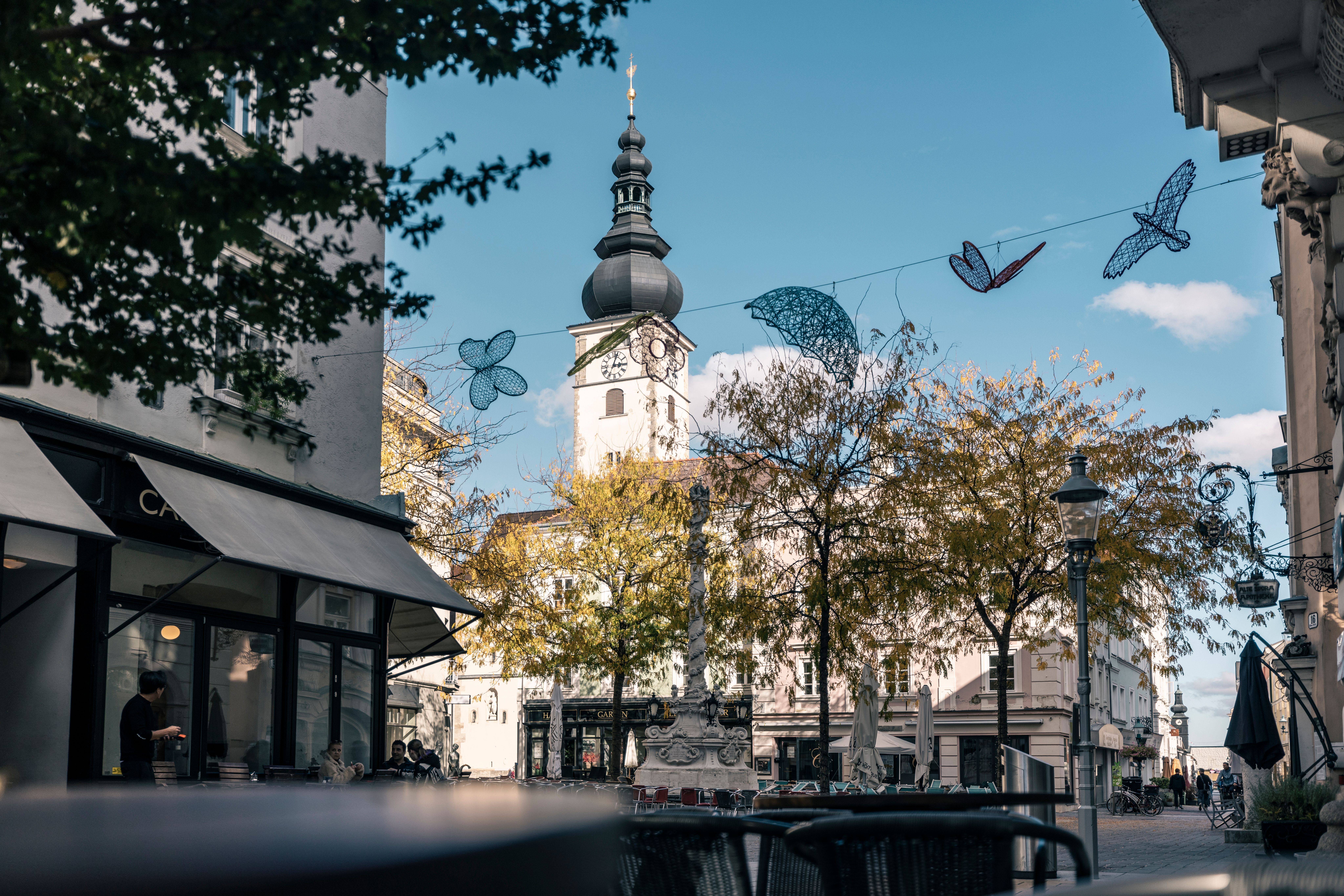
The old town with its pastel-coloured façades, the magnificent town hall and the inner courtyards tell a story of commercial spirit and civic pride. A few steps further, in the cultural district in the Landhausviertel, St. Pölten's modern side is revealed. A city full of contrasts - and that is precisely where its charm lies.
It's worth putting old prejudices aside and exploring the vibrant scene that is growing and becoming more colourful in all areas. Our city has so much to offer if you walk through the streets with open eyes.
Places of interest
City centre & town hall square
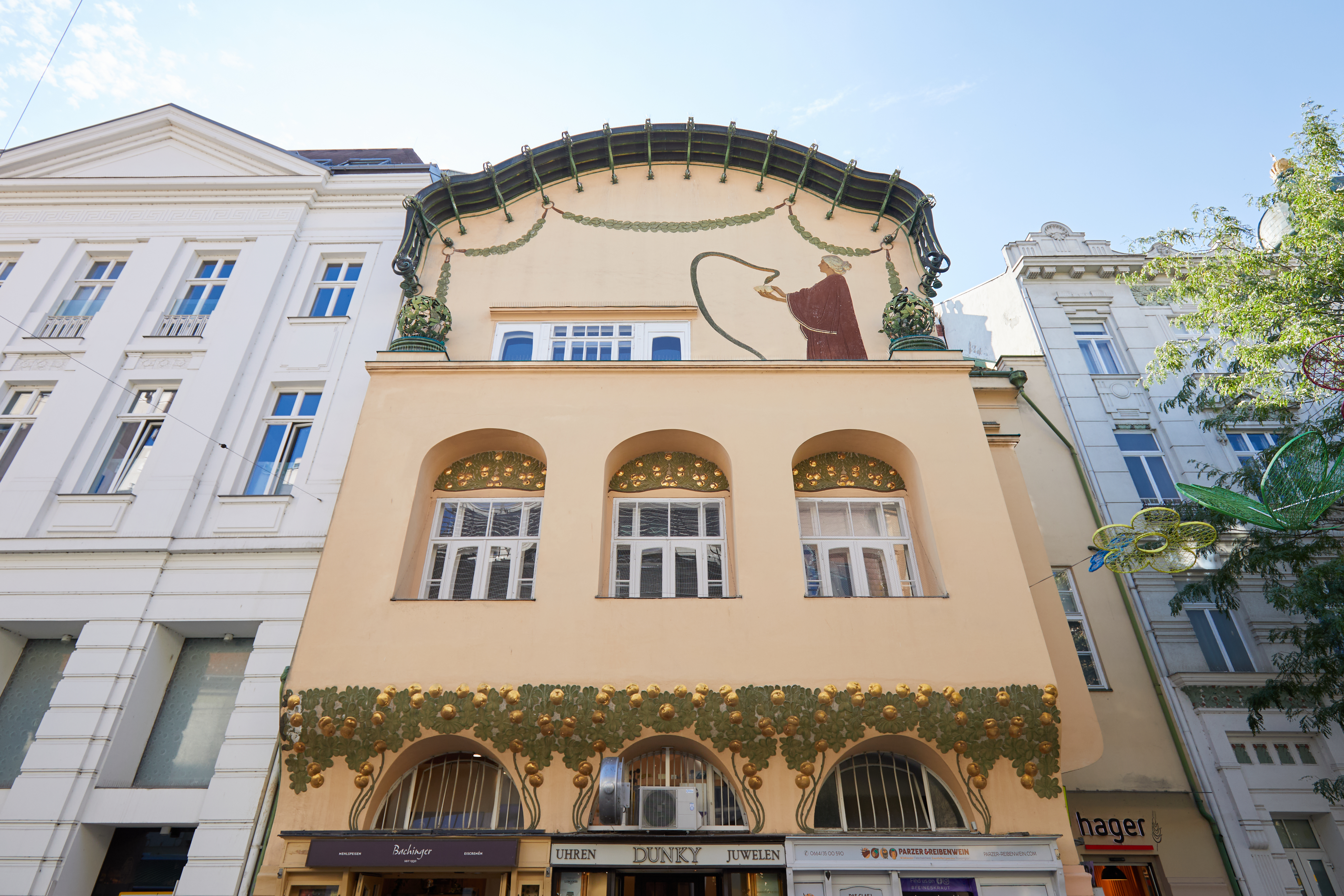
Baroque façades, Art Nouveau and traces of Roman times characterise St. Pölten's old town - an ensemble that breathes history. Right at the beginning of the pedestrian zone, the shopping street Kremser Gasse is lined with magnificent Baroque houses, while the Olbrich House with its impressive façade is an Art Nouveau jewel. Just a few steps away is the Former Synagogue - an impressive example of Jewish Art Nouveau architecture and today an exhibition centre.
From Domplatz, with its regular weekly market, the walk leads across Herrenplatz, through Wiener Straße to Rathausplatz, where the baroque town hall is the city's landmark. In the Alumnatsgarten, the former Franciscan monastery garden, rose beds and quiet paths invite you to linger.
The free Hearonymus app - an audio guide - provides historical facts and interesting background information.
Cultural district with sound tower
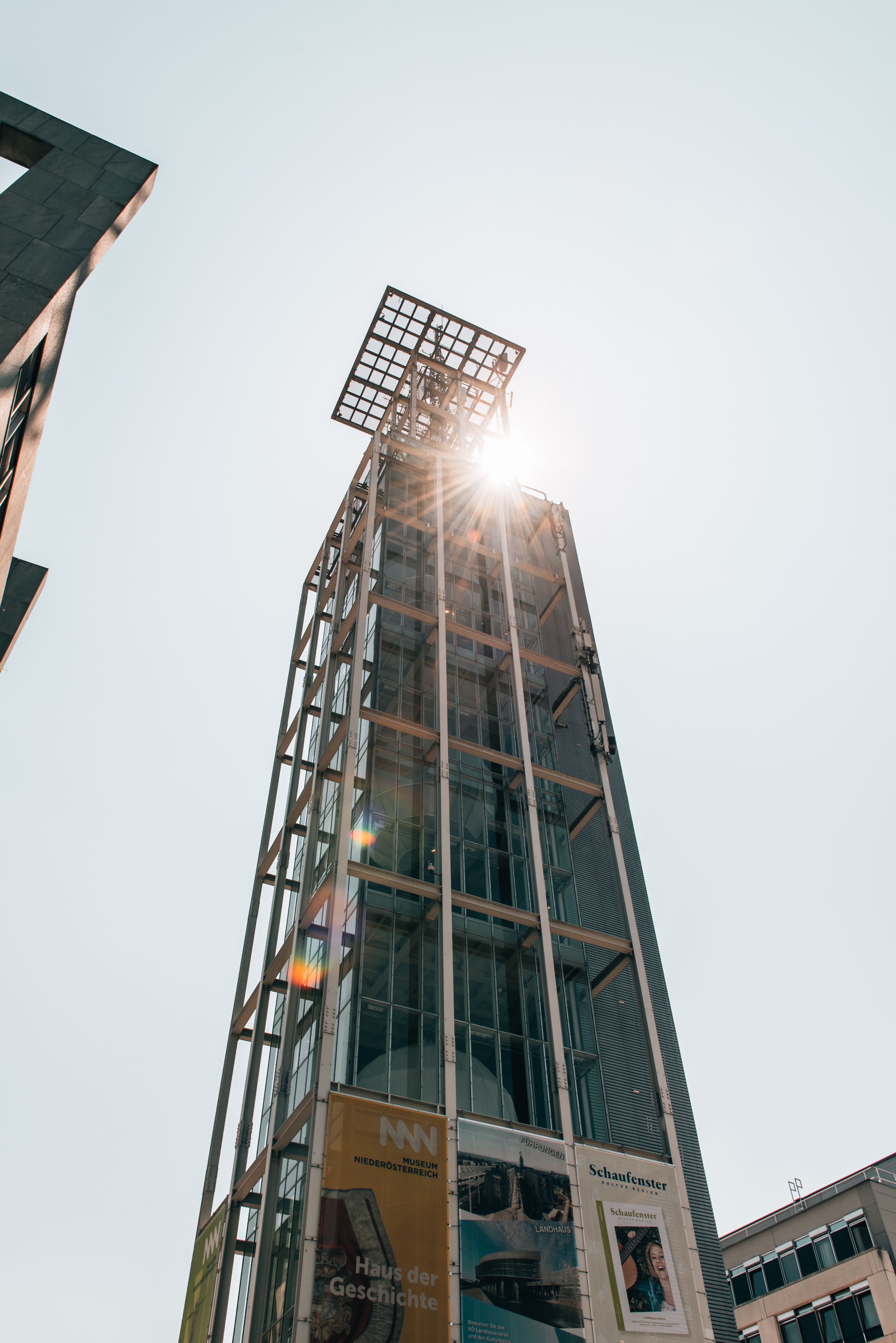
If you want to switch from historic to contemporary St. Pölten, continue on to the cultural district in the Landhausviertel. Between spacious open areas, watercourses and sculptures, you will find the Museum Niederösterreich with exciting exhibitions on nature and history as well as the Festspielhaus St. Pölten, one of the leading centres for dance, music and performance art.
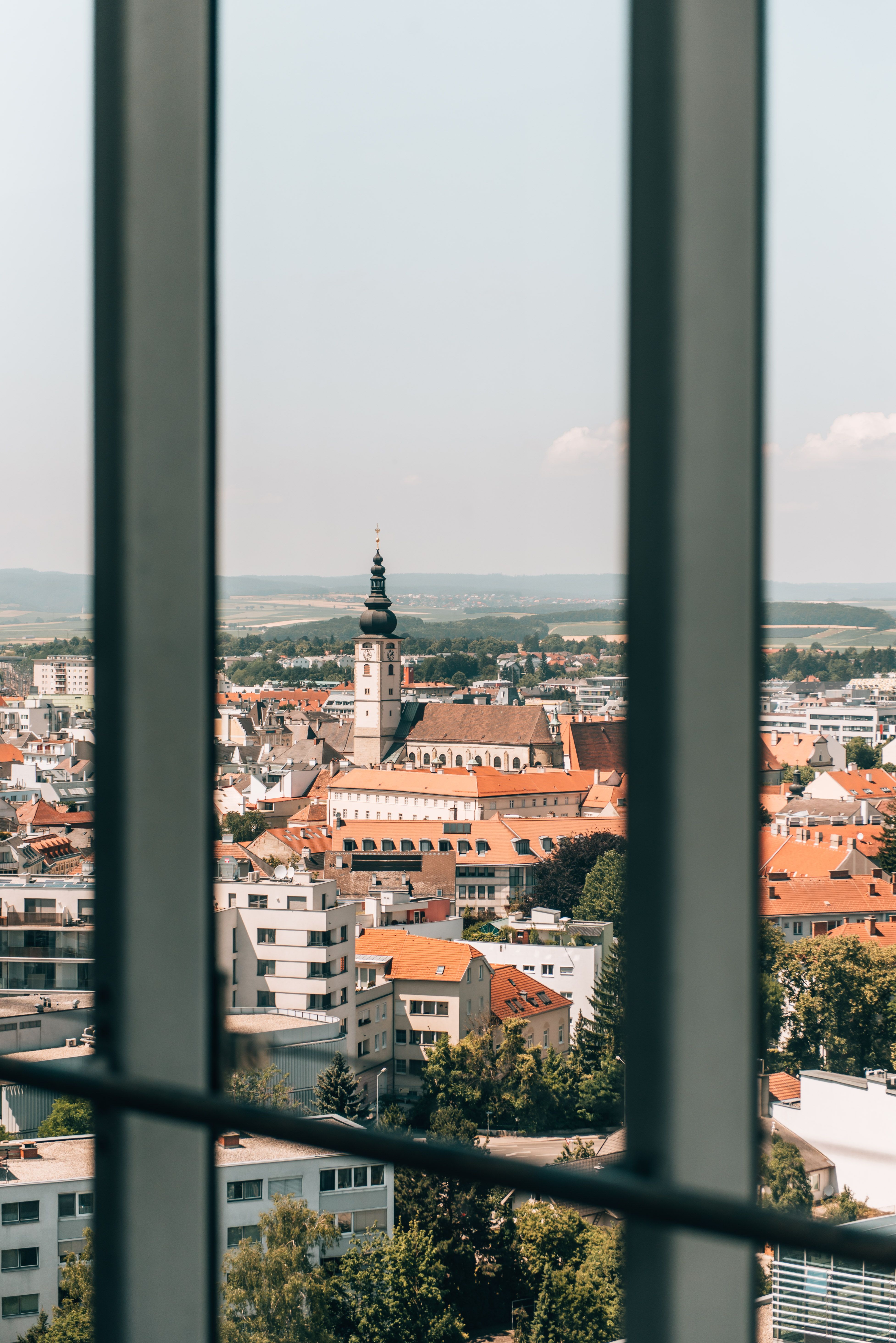
The sound tower rises 77 metres into the sky and offers a unique view over the city and surrounding area from its viewing platform. The futuristic building by Ernst Hoffmann is a symbol of modern St. Pölten - open, innovative and curious about the future. The tower is freely accessible (8 am to 6 pm).
Particularly beautiful: the view at sunset over the Landhaus district to the Traisen river.
Viehofen Lakes
From the cultural district in the Landhausviertel, the Traisental cycle route leads out into the countryside - a gentle transition from urban architecture to experiencing nature. If you follow the Traisental cycle route on foot or by bike, you will reach the Viehofner Seen lakes - St. Pölten's most beautiful waterside retreat- in just a few minutes. In summer, people meet here for swimming, boating and sporting activities, while in winter, a tranquil atmosphere descends over the surface of the water. The Seedose offers regional cuisine and cool drinks right on the shore - perfect for enjoying balmy summer evenings.
A footpath connects the Viehofner lakes with Lake Ratzersdorf, where there are more places to swim and relax.
FAQ
Frequently asked questions about a city trip to St. Pölten
My favourite place in St. Pölten is the Kaiserwald. Not just because it's right next to the roastery, but because it's a city forest in the truest sense of the word. No matter what time of year - nature is just a few steps away and I really enjoy taking a walk along the many paths through the forest to unwind.