Description
The Sachsendorf complex is a so-called lowland castle, which was protected by its location on a swamp. The oldest mentions of the Sachsendorf family date back to the 12th century. It is possible that this was also the seat of the minstrel Ulrich von Sachsendorf.
The beginnings of the castle
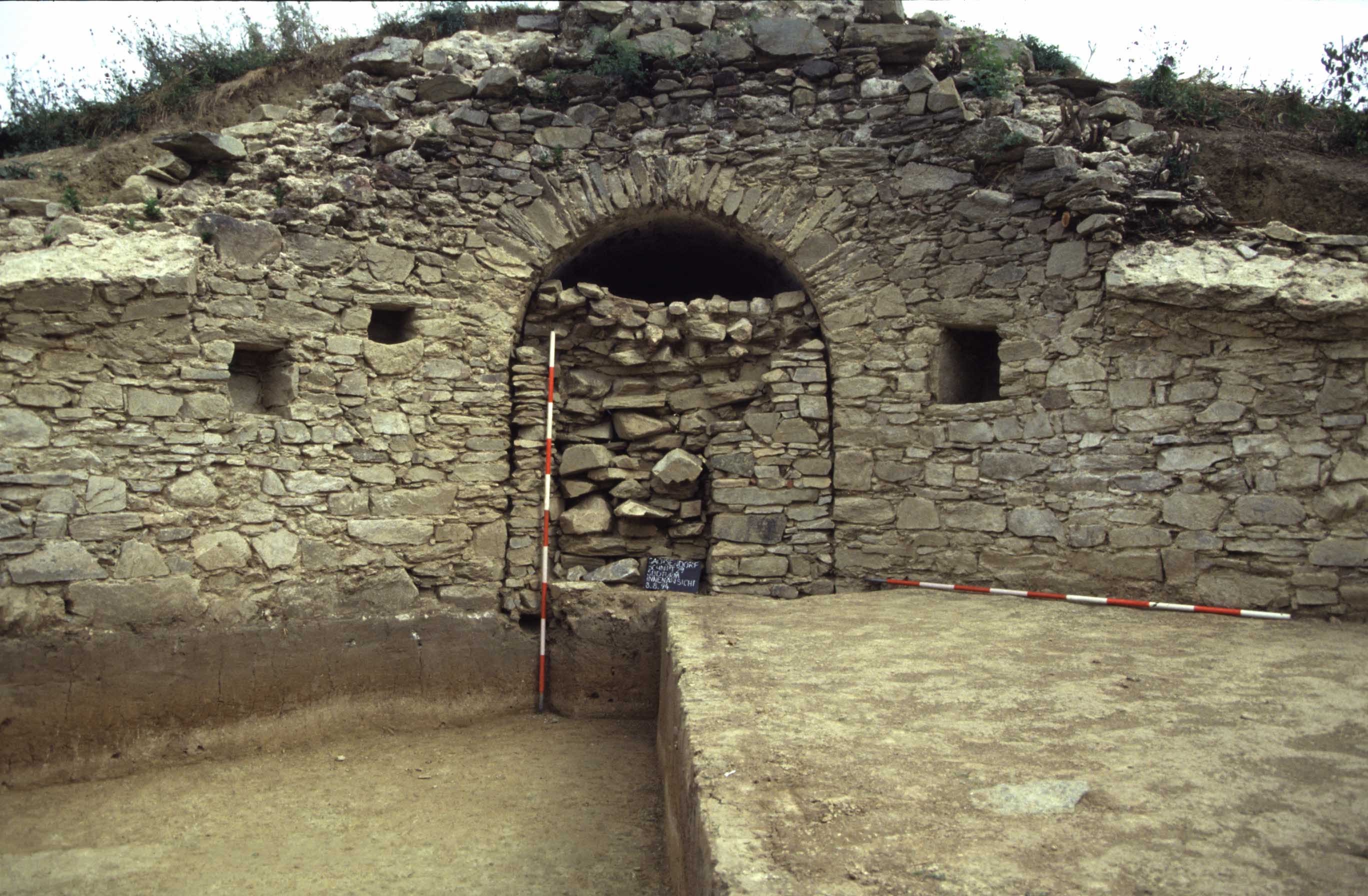
Archaeological excavations carried out between 1987 and 1998 revealed a surprisingly early, continuous and complex settlement and development from the 10th century onwards. At that time, a massive tower, an early form of a tower-like house, was erected within a wooden palisade. In the 11th century, it was replaced by a smaller stone residential building with several wooden buildings. After the middle of the 12th century, this complex gave way to a more representative, hall-like complex with an adjoining chapel to the north.
Expansion in the 13th and 14th centuries
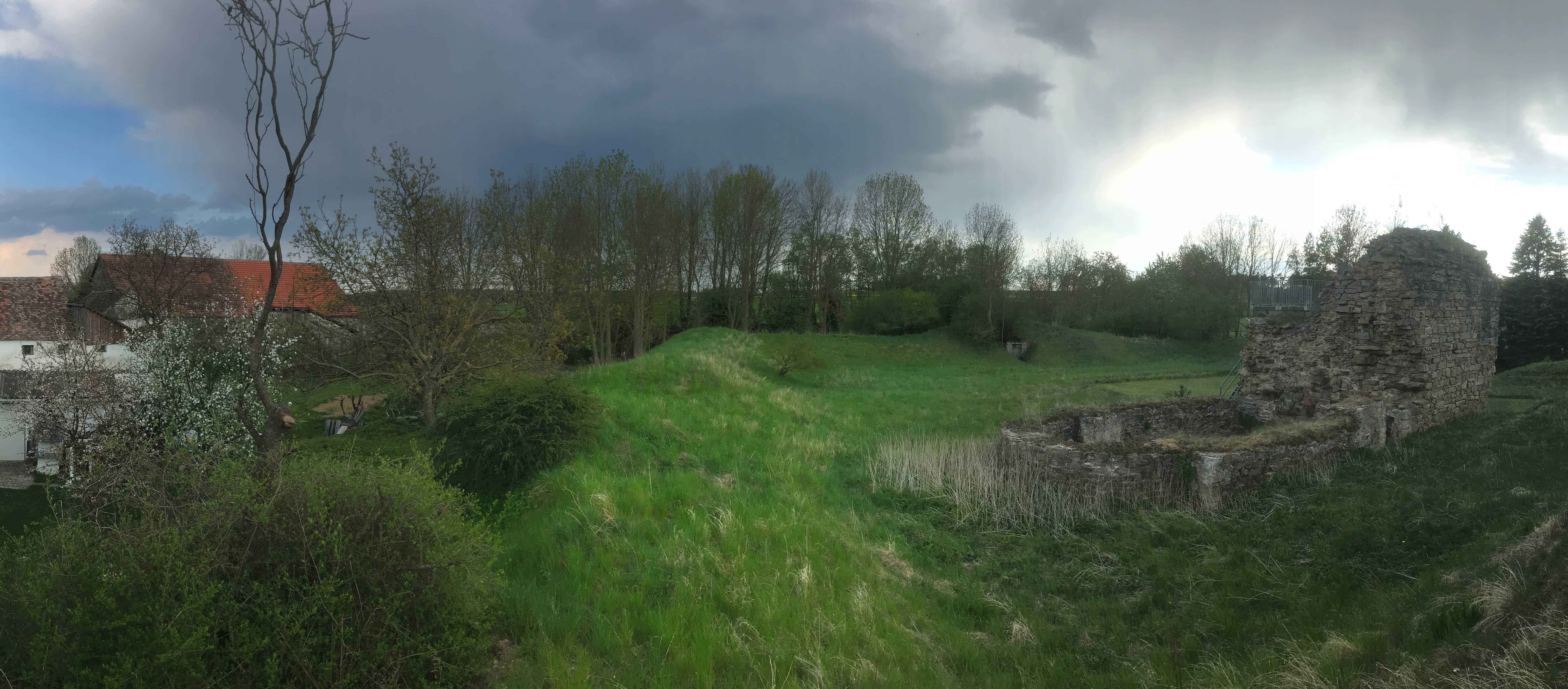
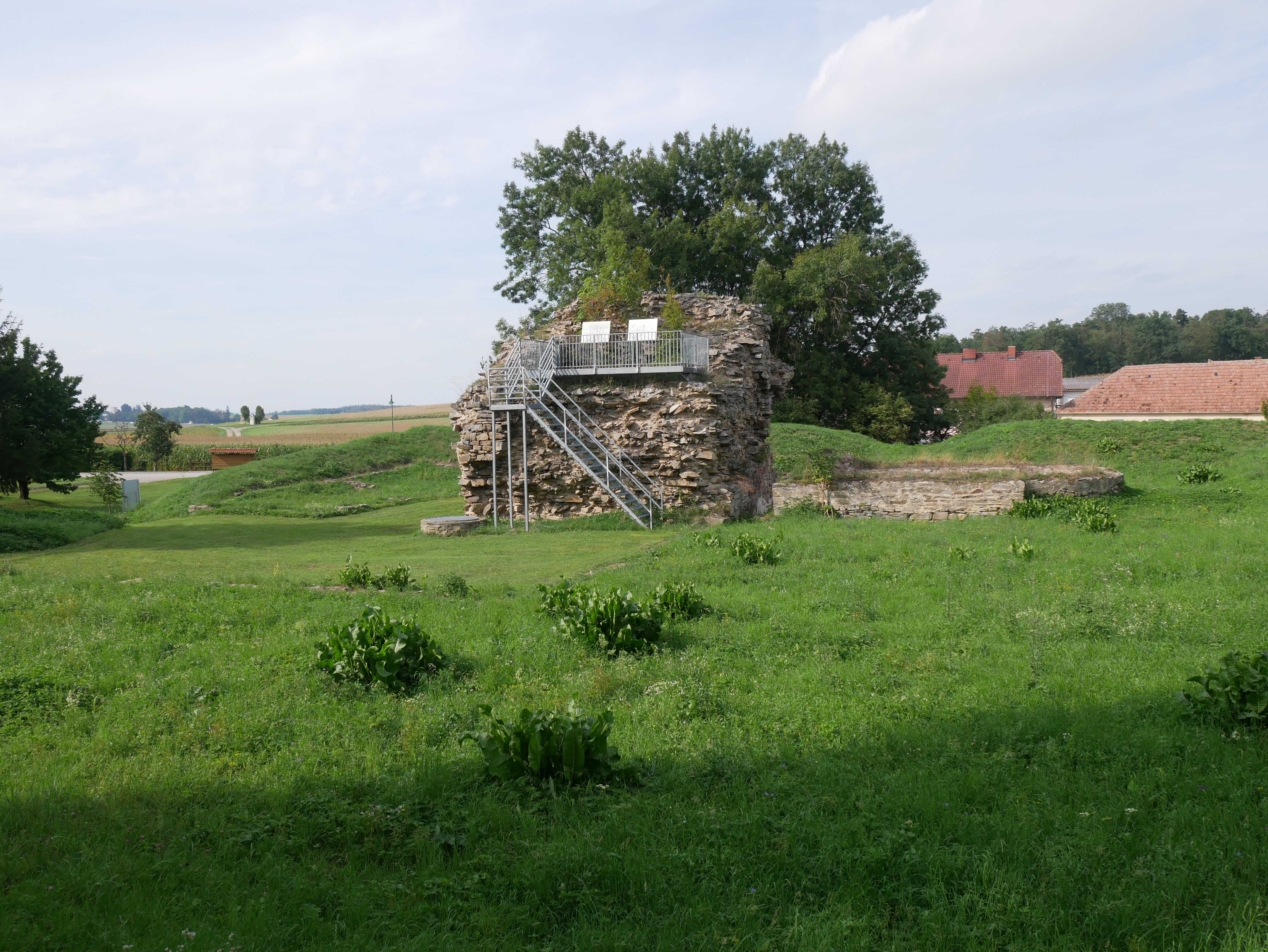
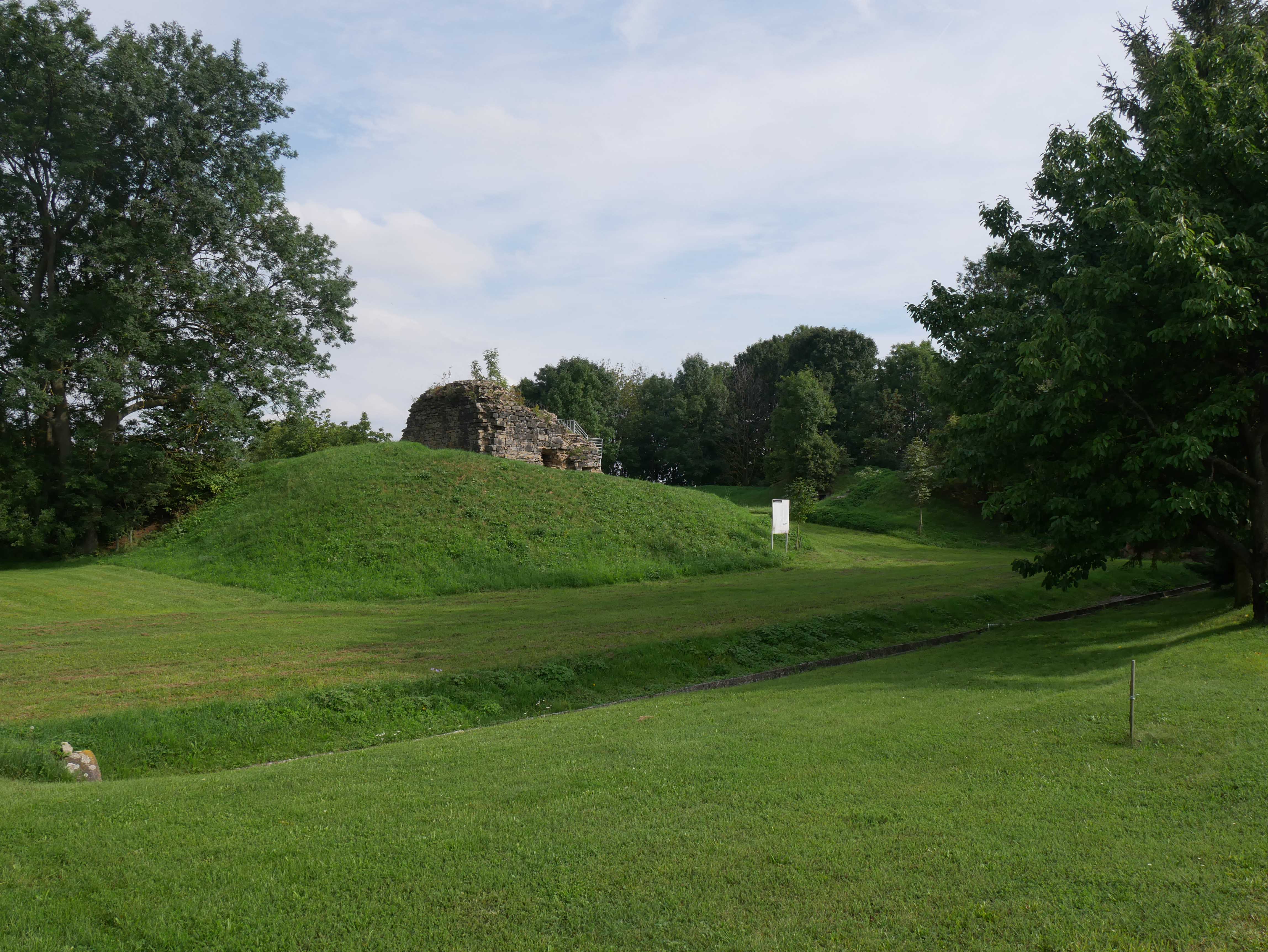
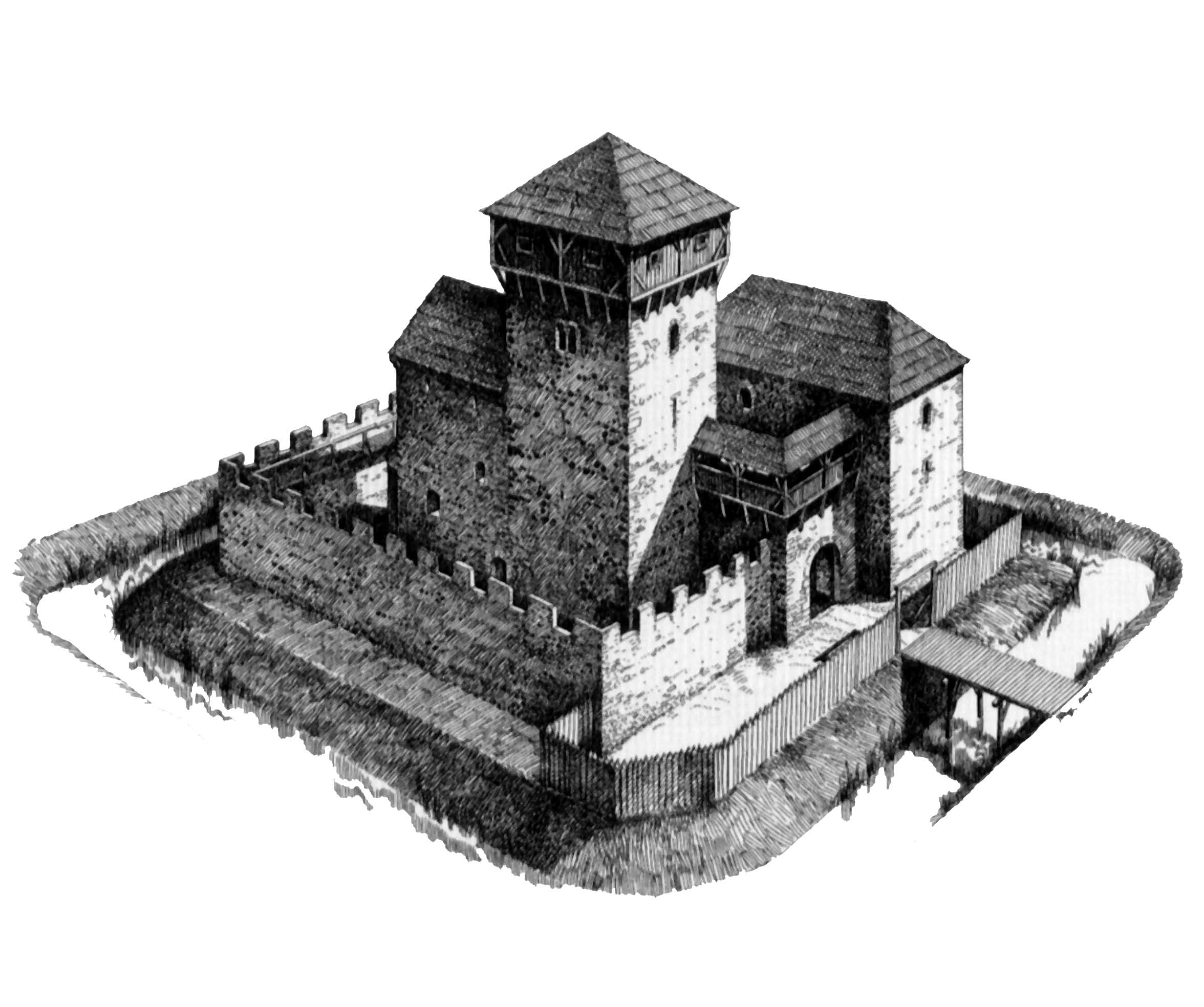
The mighty keep with sides almost 9 m long and walls over 3 m thick was built in the second half of the 13th century. The once multi-storey tower was placed over the western section of the chapel and now formed a single structural unit with the shortened sacred building. A curtain wall with a moat was built in the 14th century. The palace was moved to the north-west of the site and the chapel area was used as a cemetery, where over 900 burials were excavated
Armament in the 15th century
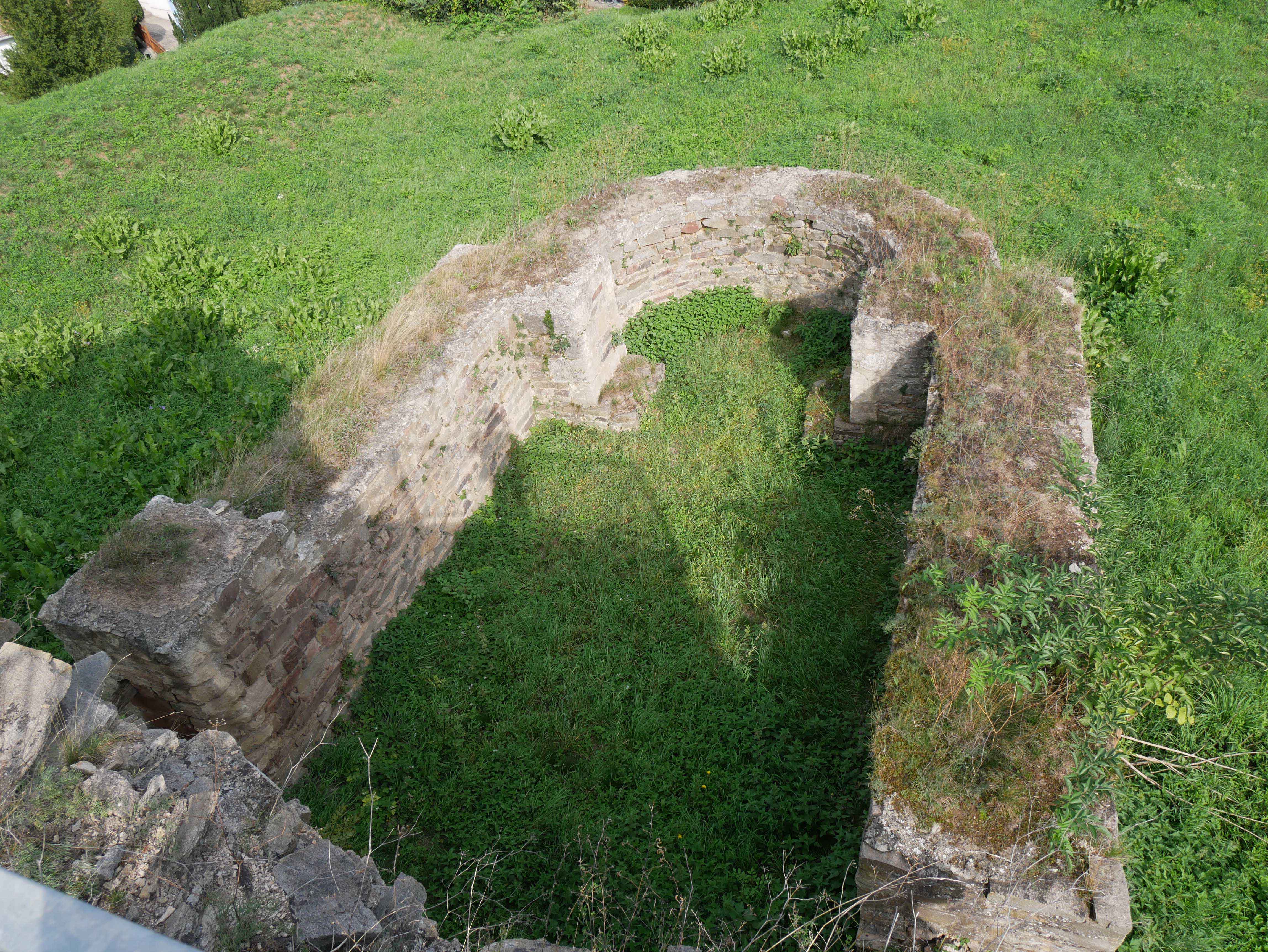
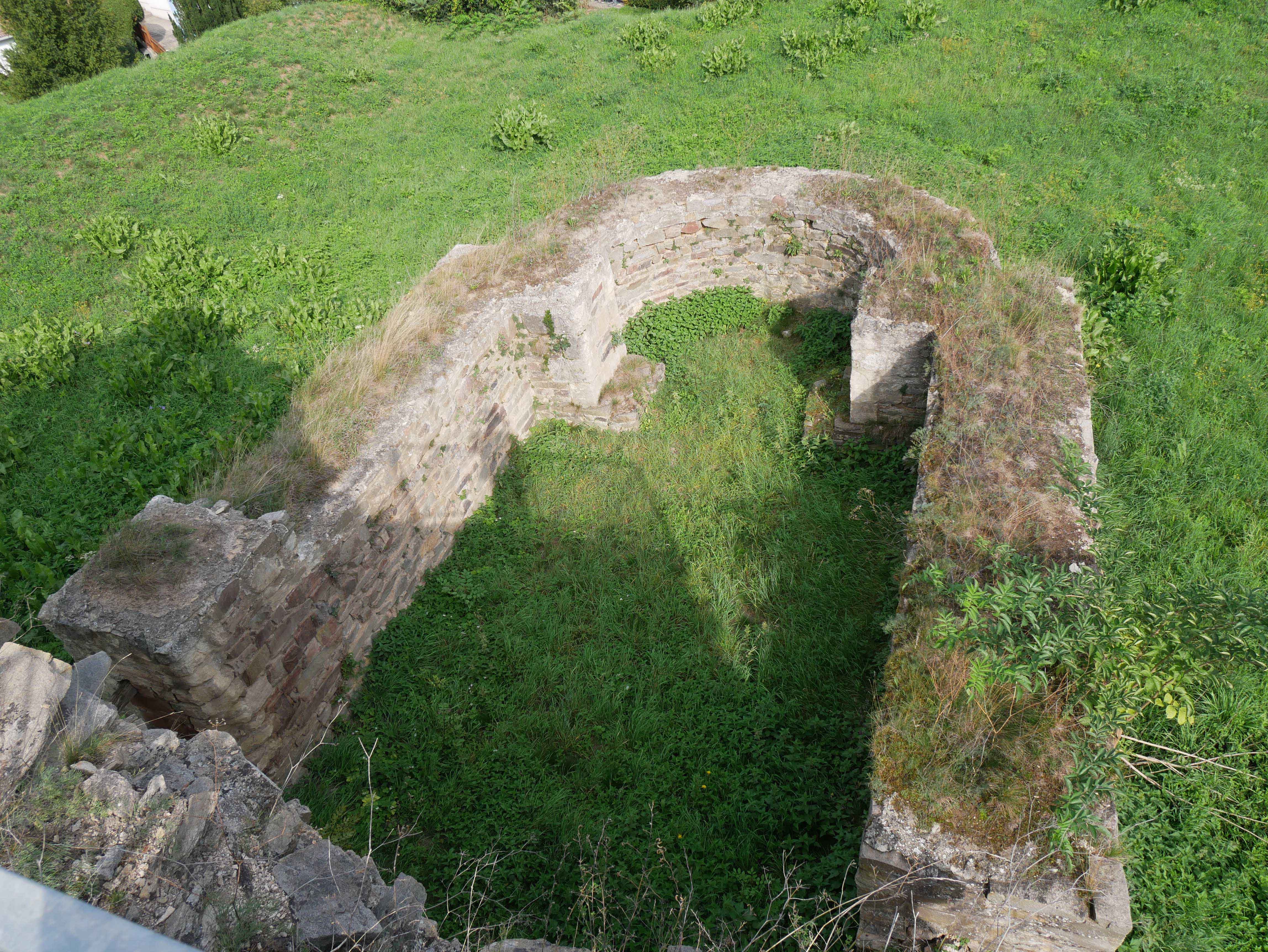
In the 15th century, a 5 m high earth wall was built in front of the enclosing wall. The four protruding fortification towers were probably also erected in the course of this reconstruction. These towers have a star-shaped, vaulted basement on which a round tower probably stood. There was a palisade on top of the rampart with a paved path running behind it. This complex was already designed for the use of firearms and is one of the few that have survived from this period in Lower Austria.