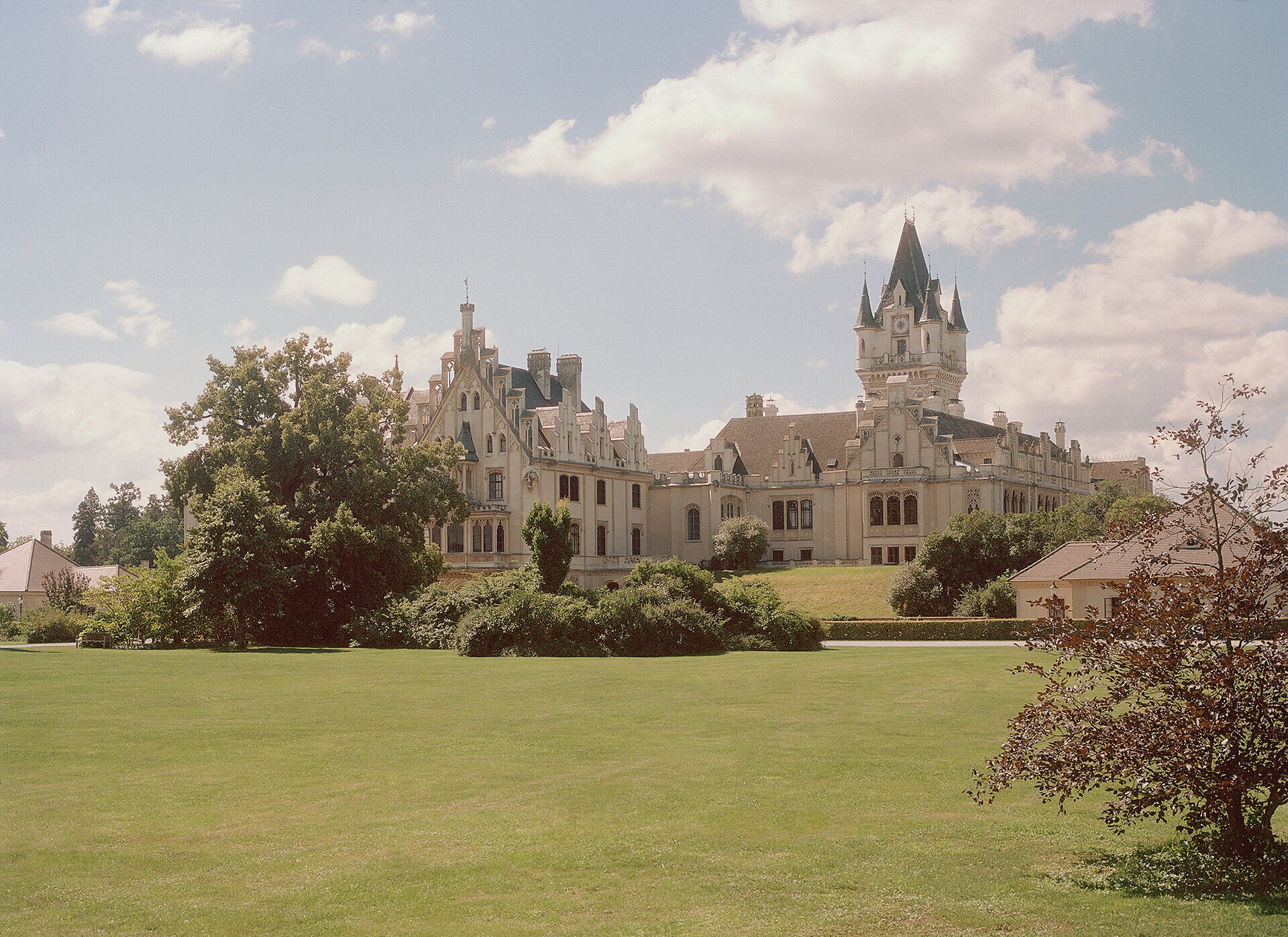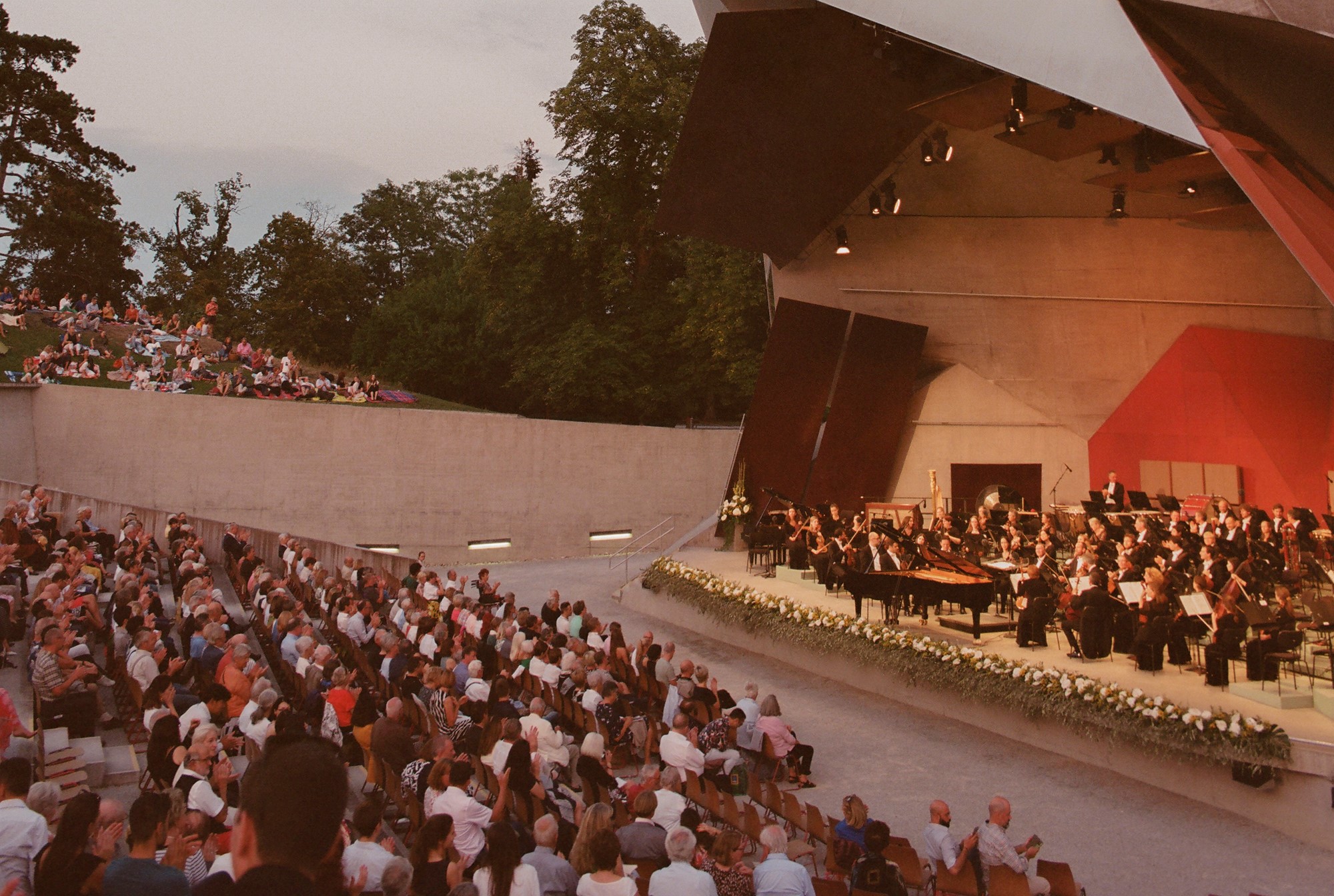
A historic castle next to a futuristic open-air stage in a landscaped park, a 19th century riding school next to a modern concert hall and much more await you in Grafenegg.
The slender turret on the courtyard side of Grafenegg Castle represents the late Gothic construction phase. The Renaissance period also had a lasting influence on the development of the castle, which in the first half of the 17th century was already a four-winged complex with two towering towers. A moat and four ramparts provided impressive protection. A chapel was built on the east side. This gave Grafenegg the shape that is still partially preserved today. The garden pavilion, where parties were celebrated and plays were performed, is a reminder of the Baroque period.
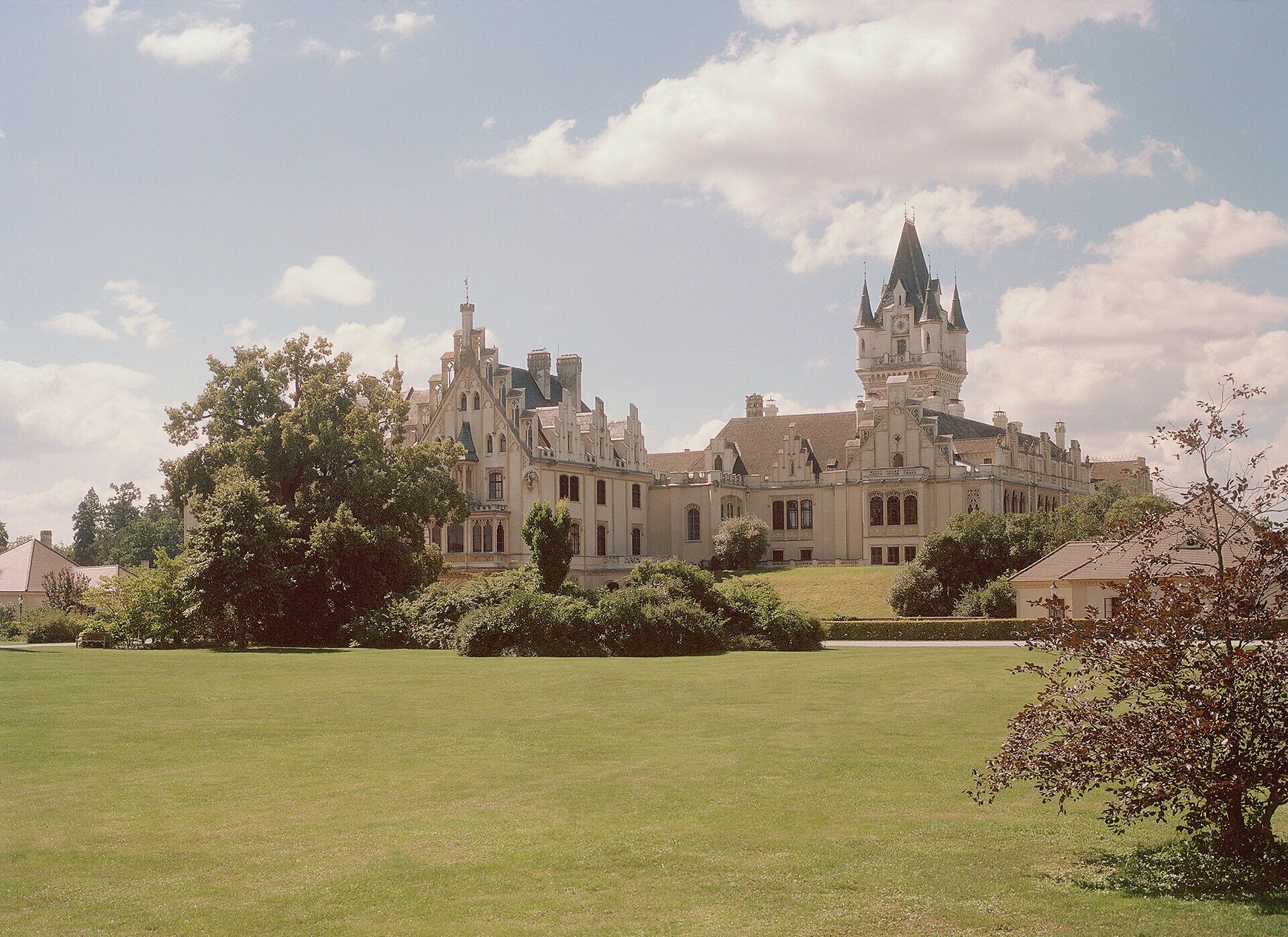
Following the example of English castles, a complex in the style of romantic historicism was to be built. The result was Grafenegg Castle as we know it today as a landmark: with its towering tower, grandiose façades, stylish staircases, atmospheric arcades and the beautiful chapel, which still contains an altar from the 15th century.
Inside, the staircase with ribbed vaults and the punk rooms are particularly worth seeing: the Beletage with library and garden hall, salons and rooms with coffered ceilings, paneling and tiled stoves as well as the Knights' Hall.
Today, the castle is an ensemble of 19th century English neo-Gothic style elements and 17th century components.
During the summer months, the castle can be explored independently or as part of a guided tour (Saturday & Sunday at 2 p.m.).
Castle park
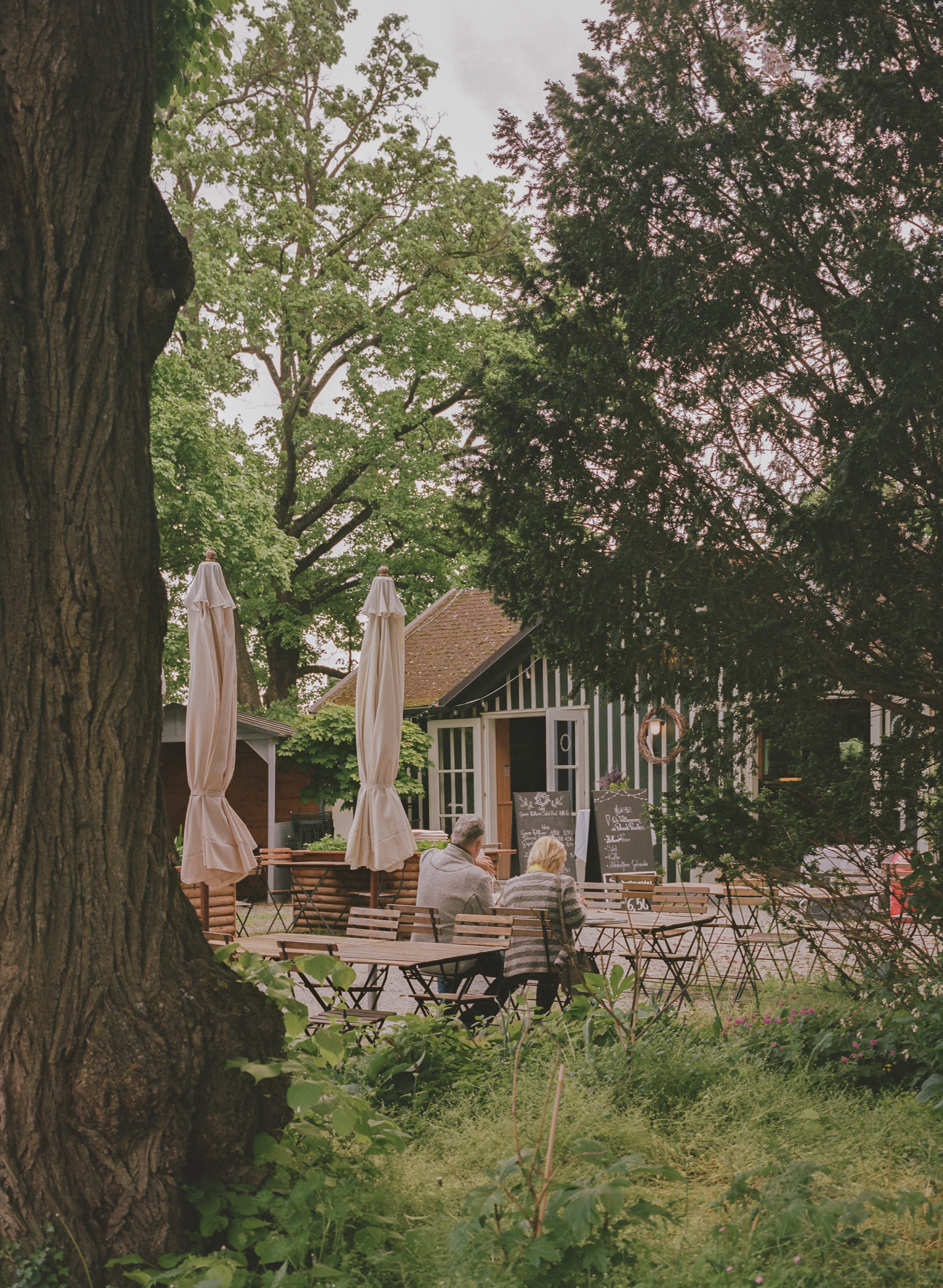
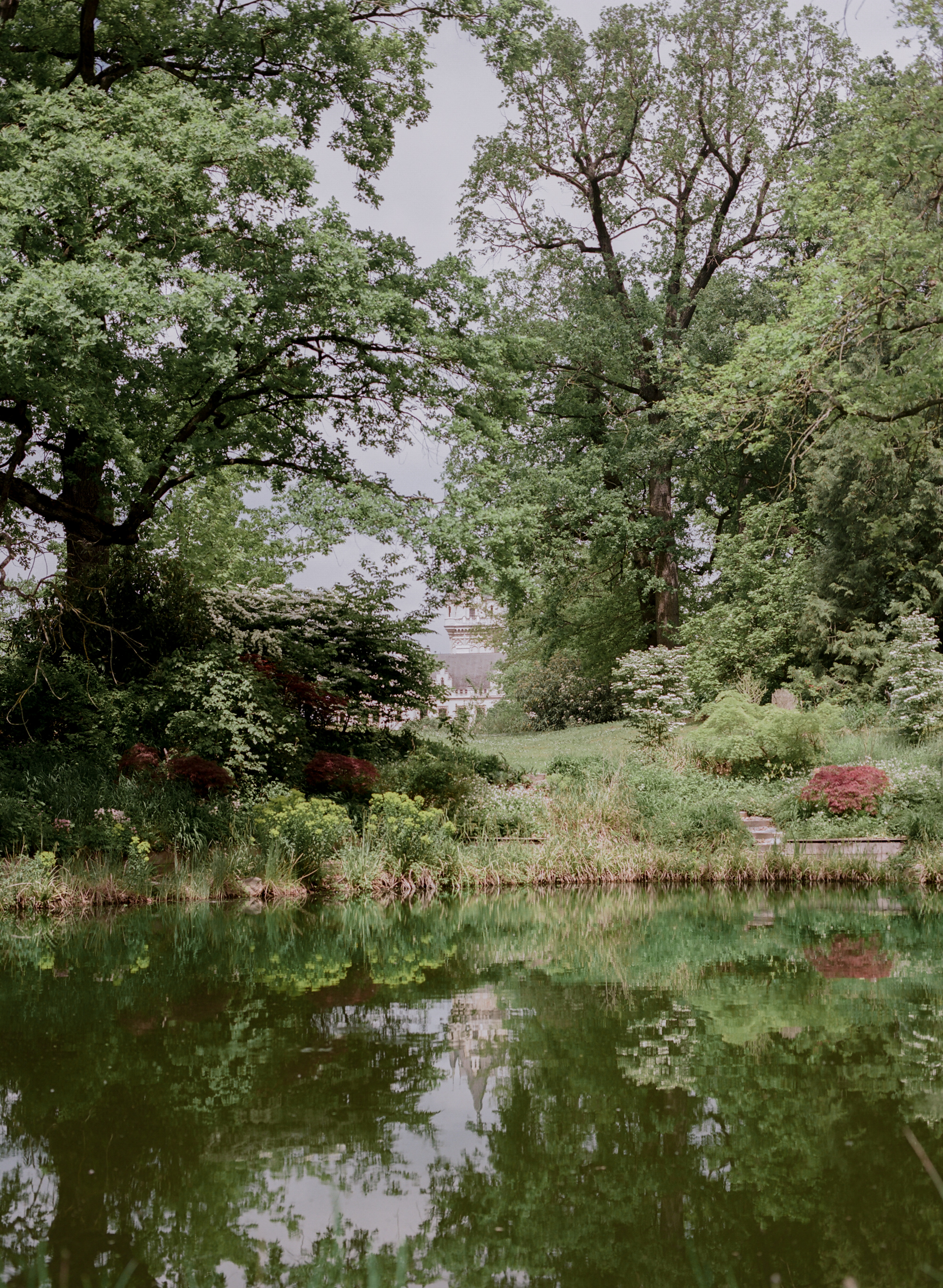
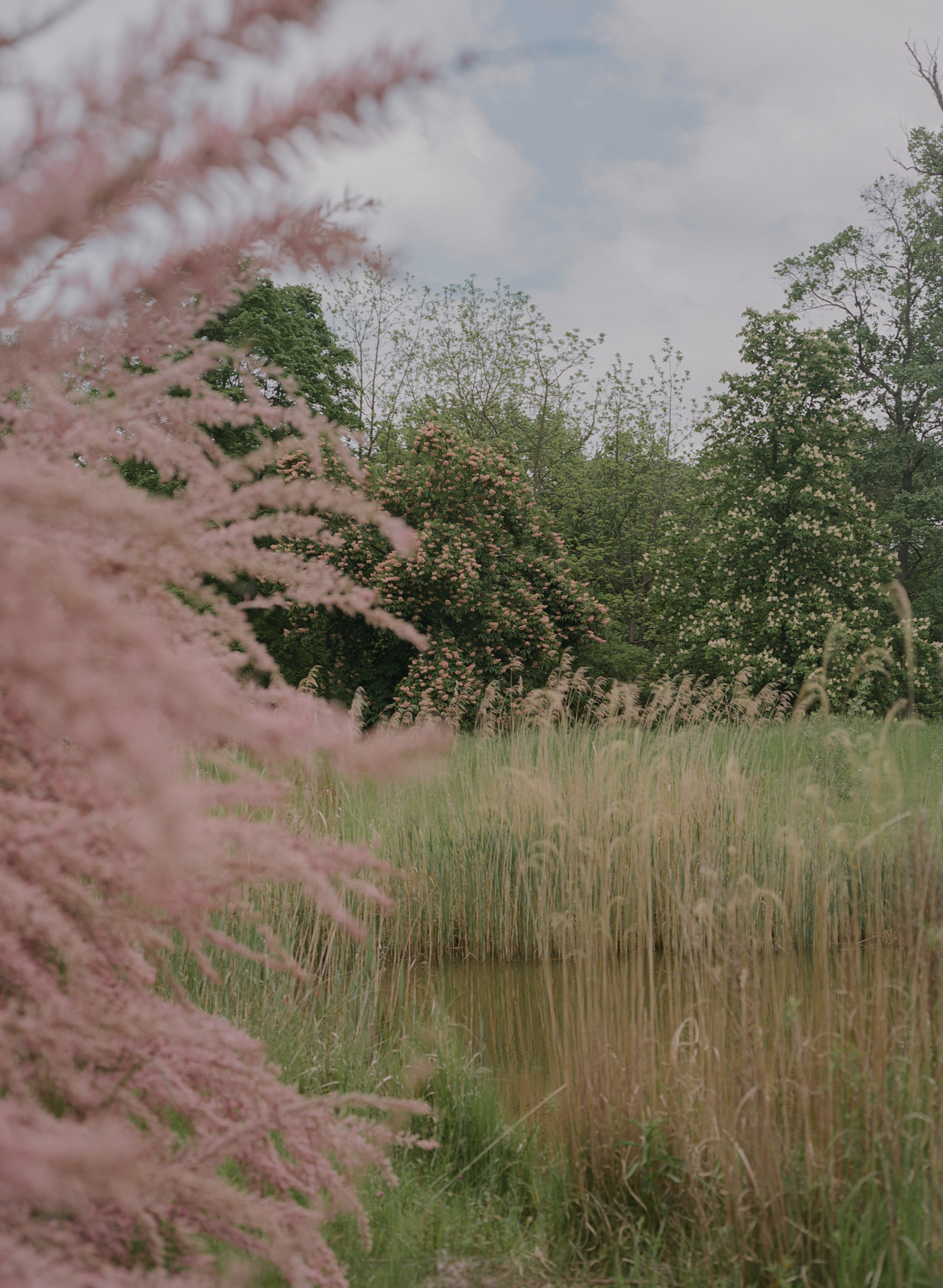
The 32-hectare landscaped park offers historical, botanical and completely modern features in an impressive ensemble. It reveals 300 years of park history, rare plants from all over the world, old tree solitaires and contemporary works of art. The palace park not only invites you to linger every day, but also offers a wonderful setting for celebrations in the countryside. A picnic in the castle park, a reception on the large castle lawn or an invitation in the garden pavilion.
In addition to the revitalization of the park, the Grafenegg Festival, founded in 2007, has changed the face of the grounds: the Auditorium concert hall and the Wolkenturm open-air stage are architectural focal points in the park.
The park is open all year round. For events at the Wolkenturm, the area is only accessible with a concert ticket from 3 hours before the start of the concert.